


Zinc Coating Peeling Does Not Equal Poor Quality? 3 Hidden Production Steps Are The Real Culprits
Release time:
2026-06-30
When galvanized wire sheds zinc after bending, most buyers assume manufacturers cut corners with inferior materials.
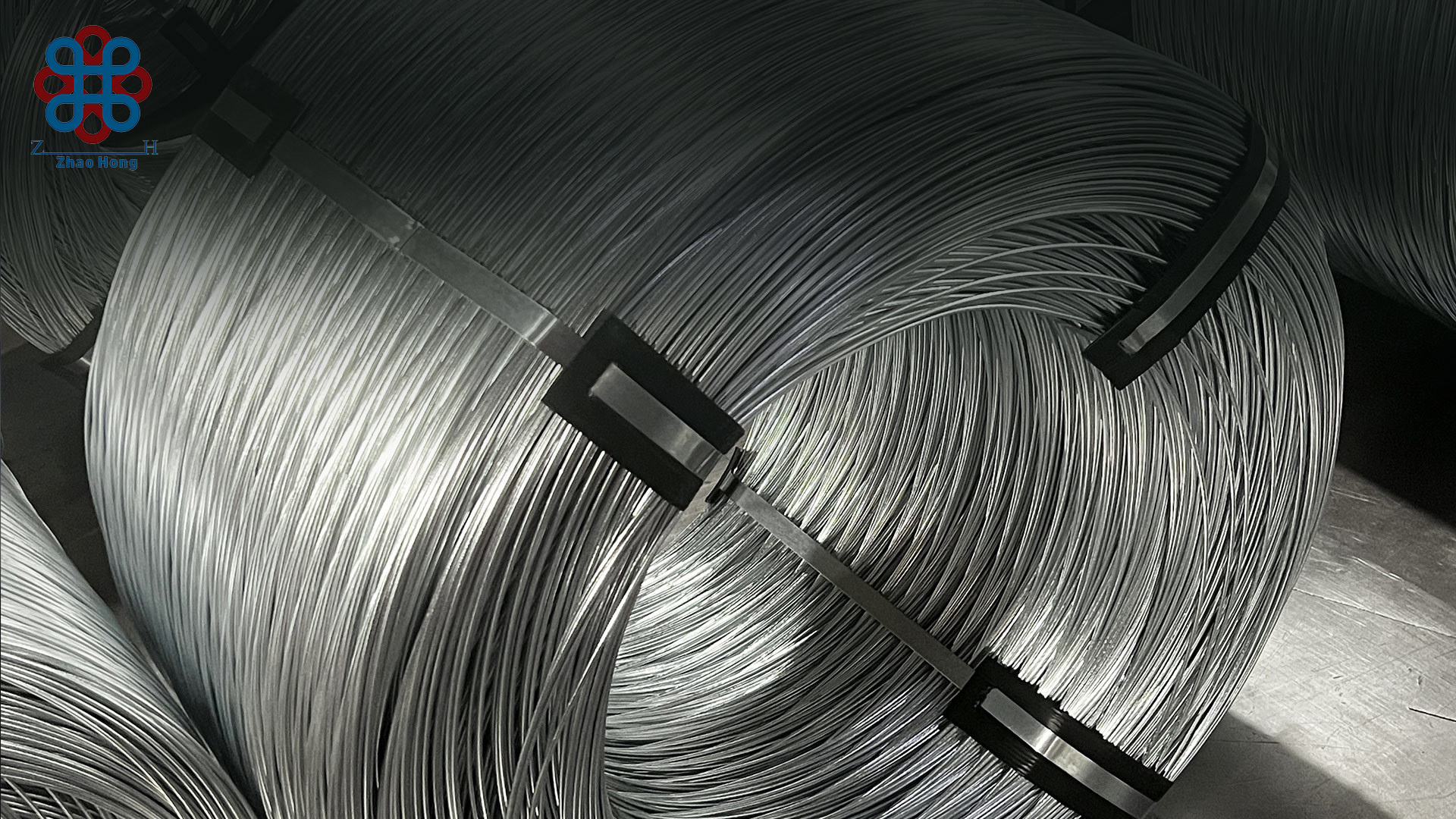
When galvanized wire sheds zinc after bending, most buyers assume manufacturers cut corners with inferior materials. However, many high-zinc wires with certified standard zinc weight still suffer coating peeling. The root cause has nothing to do with coating thickness, but three easily ignored pre-galvanizing procedures rarely inspected by ordinary purchasers.
1. Incomplete Pre-treatment Separates Zinc Layer From Steel Core
Steel wire retains drawing oil and rust scale after production. Complete degreasing, pickling and flux treatment are compulsory before galvanizing. Simplifying any step creates a separation barrier between zinc and steel.
- Residual oil forms an isolating film, leading to superficial zinc coating that sheds with slight friction.
- Improper pickling leaves oxide or loose carbon ash, so zinc only attaches on top of impurities and peels off easily under force.
- Undried flux triggers vapor explosion in molten zinc, forming hollow bubbles inside coating which delaminate under temperature changes. Many factories shorten cleaning procedures to speed delivery. Even 300-350g/㎡ zinc coating will peel in batches, which cannot be detected only by thickness test.
2. Uncontrolled Zinc Bath Temperature & Immersion Time Ruin Alloy Bonding Layer
Coating adhesion relies on a continuous zinc-iron alloy transition layer, formed only with stable zinc liquid temperature and sufficient dipping duration. Standard hot-dip process maintains zinc liquid at 440-460℃ for full alloy reaction.
- Overheated zinc bath creates thick brittle alloy crystals that crack when bent.
- Low temperature reduces fluidity and leads to discontinuous weak alloy layers.
- Short dipping only forms thin superficial zinc without metallurgical bonding, resulting in electroplating-level poor adhesion. Suppliers often only provide zinc weight test reports without temperature control records, hiding this critical defect.
3. Harsh Quenching Creates Massive Internal Stress Inside Coating
Zinc and steel have different thermal expansion coefficients. Abrupt cooling after galvanizing generates huge internal stress and invisible microcracks. Qualified high-zinc wire adopts gradual slow cooling to synchronize shrinkage of steel and zinc. Small manufacturers apply direct cold water quenching. Hidden microcracks expand during storage, temperature circulation or bending, finally causing large-area zinc peeling 1–3 months after delivery. Buyers hardly connect peeling failure with cooling technology.
Simple Test To Distinguish Defect Sources
Fold wire tightly three times:
- Inferior thin wire peeling: Thin zinc layer falls off, bare steel exposed instantly.
- Process-defective qualified high-zinc wire peeling: Thick intact zinc sheet flakes off with plenty zinc powder, steel core remains rust-free, caused by flawed pre-treatment, temperature control or cooling.
Conclusion
Zinc coating peeling cannot be simply defined as poor quality. If zinc weight and salt spray test pass yet peeling occurs, 90% of problems stem from three hidden production links: pre-treatment cleaning, zinc bath temperature management and post-galvanizing cooling. Purchasers should not only check appearance and coating thickness, but ask suppliers for complete production records. For long-term outdoor and weaving projects, choose standardized high-zinc wire with full cleaning and slow cooling procedures to avoid hidden peeling risks fundamentally.

Keywords:
More information

Contact
Phone/WhatsApp:
E-mail:
Address:
Huangtai Industrial Park, Xiaozhan Town,
Jinnan District, Tianjin, 300353, China
Follow us

Inquiry