


How to deal with slight rust on galvanized wire?
Release time:
2026-05-29
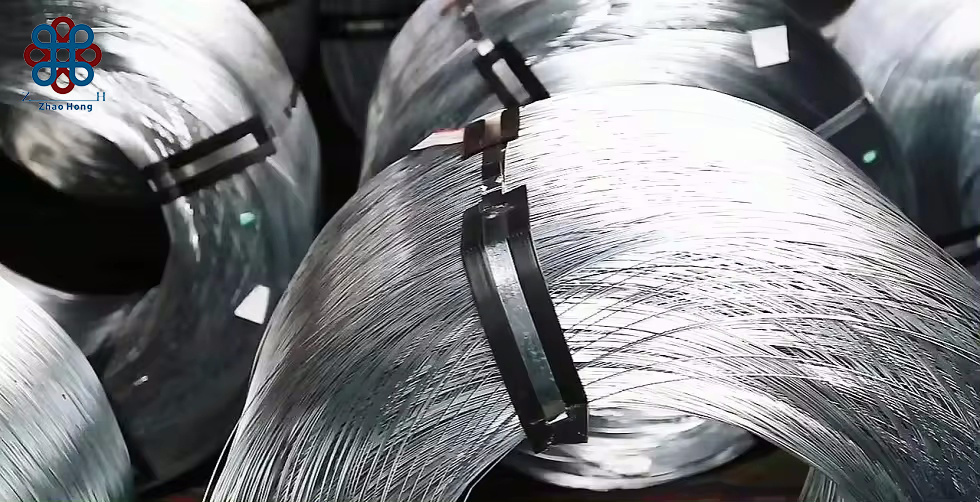
Galvanized wire is coated with zinc to resist corrosion, but it can still develop slight rust – usually white rust (zinc oxide/carbonate, a powdery white deposit) or very early red rust (iron oxide). The key is to remove the rust gently without damaging the remaining zinc layer.
Galvanized wire is coated with zinc to resist corrosion, but it can still develop slight rust – usually white rust (zinc oxide/carbonate, a powdery white deposit) or very early red rust (iron oxide). The key is to remove the rust gently without damaging the remaining zinc layer.
1. Identify the type of rust
-
White rust (powdery, white/gray) – This is the zinc layer reacting with moisture. It is not yet damaging the steel and is the easiest to treat.
-
Light red rust (small orange-brown spots) – The zinc coating has been breached in a few spots. Needs quick action before it spreads.
If rust is heavy or flaking (deep red/brown), the zinc layer is already compromised – replacement is usually better than repair.
2. Choose the right cleaning method
For slight rust (white rust or tiny red spots), use the mildest effective method:
| Method | What to use | How to do it | Best for |
|---|---|---|---|
| Soft scrubbing | Nylon brush, plastic scourer, or cloth | Gently scrub the rusted area. Do not use wire brushes or sandpaper – they will strip the zinc. | White rust, light surface stains |
| Mild acid (household) | White vinegar (acetic acid) or lemon juice | Apply with a cloth or soft brush, let sit for 5–10 minutes, then rinse thoroughly with water and dry completely. | Light red rust, stubborn white rust |
| Baking soda paste | Mix baking soda with a little water into a paste | Rub onto rust with a soft cloth, then rinse and dry. | Very mild rust, safe for zinc |
| Commercial rust remover | “Rust converter” or mild gel type (label must say “safe for galvanized surfaces”) | Follow product instructions. Test on a small area first. | Larger areas of light red rust |
⚠️ Avoid:
Wire brushes, steel wool, sandpaper, or harsh abrasives – they scratch off the zinc coating.
Strong acids (hydrochloric, sulfuric) – they destroy zinc rapidly.
Pressure washing – forces moisture under the zinc.
3. After cleaning – protect the surface
Once the rust is removed and the wire is completely dry, take these steps to prevent rust from returning:
-
Apply a thin layer of oil – Mineral oil, light machine oil, or WD-40 (wipe off excess). This seals the surface from moisture.
-
Use a zinc-rich spray – For areas where the original zinc coating was thinned, a cold galvanizing spray (e.g., ZRC, CRC Cold Galvanize) can restore protection.
-
Keep dry and ventilated – Store or install the wire in a location where it won’t sit in standing water or high humidity.
4. When to replace instead of repair
-
Rust covers more than 20–30% of the wire surface.
-
The wire shows deep pitting (holes or rough craters after cleaning).
-
The wire is for structural or safety-critical use (e.g., fencing for heavy animals, suspension wires). In these cases, slight rust might still be acceptable after cleaning, but any deep rust means replace it.
Summary table for quick reference
| Rust type | Appearance | Action | Aftercare |
|---|---|---|---|
| White rust | White/gray powder | Nylon brush or vinegar rinse | Dry, light oil |
| Very light red spots | Small orange dots | Vinegar or baking soda paste | Dry, zinc spray if needed |
| Heavy red / flaking | Deep brown/red, peeling | Replace the wire | – |
By cleaning gently and then adding a protective layer, you can significantly extend the life of galvanized wire that has only slight rust.

Keywords:
More information
Contact
Phone/WhatsApp:
E-mail:
Address:
Huangtai Industrial Park, Xiaozhan Town,
Jinnan District, Tianjin, 300353, China
Follow us

Inquiry