


What causes price changes of galvanized wire?
Release time:
2026-05-28
Certainly. Here is an explanation of what causes price changes in galvanized wire, presented without numbered lists.
Certainly. Here is an explanation of what causes price changes in galvanized wire, presented without numbered lists.
Raw material costs are the most fundamental driver. Galvanized wire is made primarily from steel wire rod and a zinc coating. The prices of steel (linked to iron ore and coking coal) and zinc are both volatile in global markets. Zinc alone can account for 15–20% of production costs, so any rise or fall in zinc prices directly affects the final product. Energy costs for wire drawing and galvanizing also play a role.
Supply and demand dynamics create the main market fluctuations. Strong demand from construction, agriculture, fencing, and increasingly renewable energy projects (solar farms, wind turbines) pushes prices higher. Conversely, a slowdown in these sectors lowers prices. On the supply side, production halts in major manufacturing regions, shipping disruptions, or raw material shortages can tighten availability and drive prices up.
Production methods and wire specifications matter. Hot-dip galvanizing costs significantly more than electro-galvanizing because it provides a thicker, more durable coating. Thicker wire gauges require more steel and are more expensive. Different quality standards and coating thicknesses also lead to price variations.
Logistics, trade policy, and regulations add further layers. Galvanized wire is heavy and costly to transport, so fuel prices and freight rates affect its final cost. Tariffs (such as U.S. Section 232) or trade barriers change cross-border pricing. Environmental regulations, like stricter emissions rules in steel-producing regions or the EU’s Carbon Border Adjustment Mechanism, raise production costs and are increasingly factored into prices.
Seasonality and market structure cause shorter-term changes. Construction seasons typically increase demand and prices. In a competitive global market, suppliers also adjust prices based on competitors’ moves, and regional differences (for example, prices in China often ranging from 5000–8000 CNY per ton versus export prices of $600–1000 USD per ton) reflect local conditions.
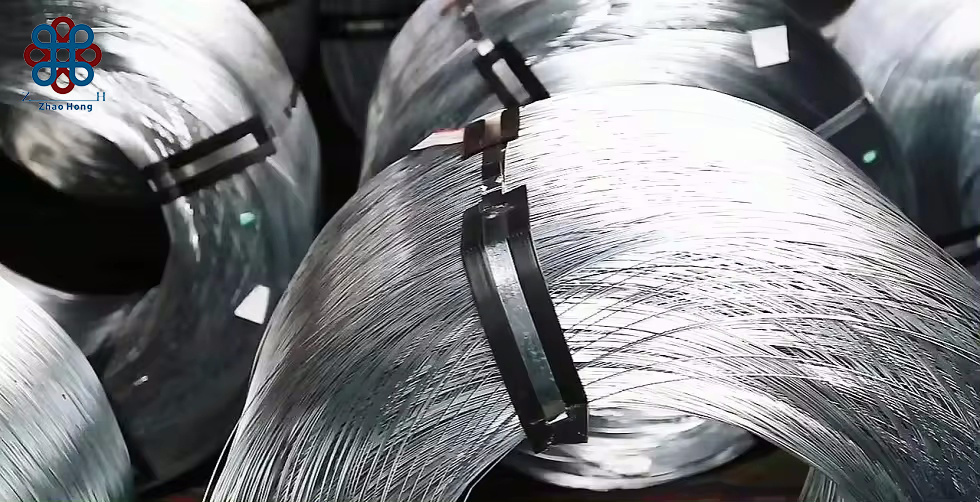
In short, price changes for galvanized wire come from a cascade of influences: the fluctuating cost of steel and zinc as the base, shifts in supply and demand from key industries, the chosen manufacturing process, and external factors like shipping, tariffs, and environmental rules.

Keywords:
More information
Contact
Phone/WhatsApp:
E-mail:
Address:
Huangtai Industrial Park, Xiaozhan Town,
Jinnan District, Tianjin, 300353, China
Follow us

Inquiry