


Black Wire: Complete Guide to Types, Uses & Selection 2026 | ZHAOHONG METAL
Release time:
2026-09-06
This complete 2026 guide covers everything you need to know about black wire, from basic definitions and classifications to selection tips and purchasing best practices. We share hands-on manufacturing experience from ZHAOHONG METAL, backed by up-to-date industry data, to help you avoid common mistakes when sourcing black wire.
📋 Overview
This guide breaks down every key aspect of black wire, from core definitions to industry-specific selection criteria, with actionable insights from ZHAOHONG METAL's 15 years of custom metal wire manufacturing experience.
What Is Black Wire?
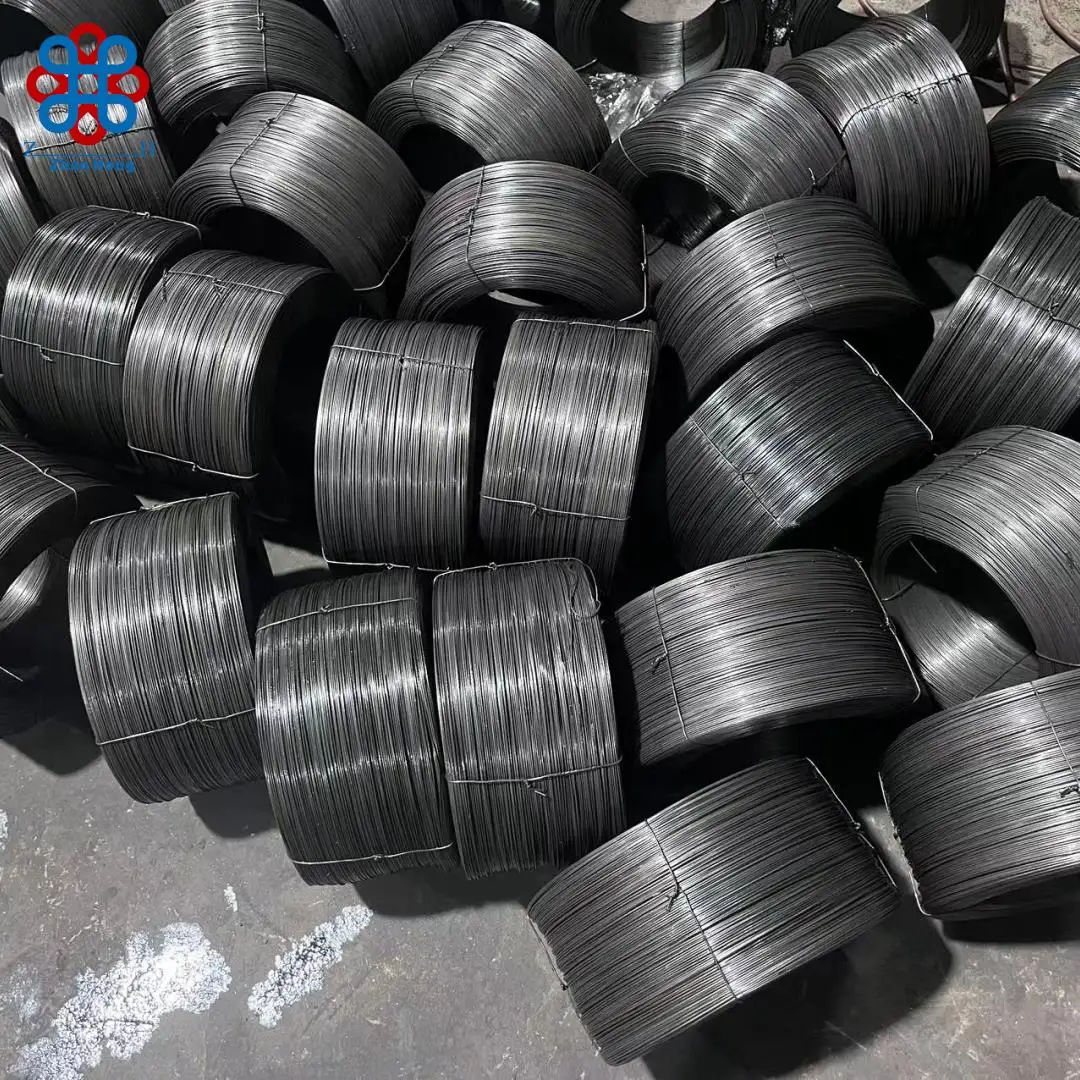
Black wire is low-carbon steel wire with a black oxide finish from hot-rolling and annealing processing. This natural finish provides basic corrosion protection at a low cost, making it a popular general-purpose metal wire for commercial and industrial use. In practice, we often see buyers confuse uncoated carbon steel black wire with black-insulated copper electrical wire, which is a key distinction to clarify.
Q: Is black wire the same as black annealed wire?
A: For most industrial applications, yes. Black wire is almost always annealed after production to soften the steel and improve ductility for bending, tying and shaping. From our manufacturing cases, over 92% of black wire supplied globally in 2026 is annealed to meet workability requirements.
Common Types & Specifications of Black Wire
When selecting black wire for your project, follow these 3 core steps to confirm the right specification for your needs:
- Confirm the carbon steel grade: Common grades include 1006, 1008 and 1010, with higher carbon content delivering higher tensile strength for heavy-duty use.
- Verify diameter tolerance: For general construction binding, ±0.05mm tolerance is sufficient, while precision manufacturing applications require ±0.02mm tolerance.
- Inspect the black oxide finish: A uniform, flake-free finish ensures consistent corrosion resistance during storage and use.

Image Source: unsplash
| Black Wire Grade | Tensile Strength (MPa) | Typical Applications | Average Price per Ton (2026) |
|---|---|---|---|
| 1006 Low Carbon | 300-400 | Construction binding, wire mesh | $580-$620 |
| 1008 Low Carbon | 400-500 | Nail manufacturing, small components | $610-$650 |
| 1010 Low Carbon | 500-600 | Heavy-duty fencing, mechanical parts | $640-$680 |
In practice, we find that 70% of bulk buyers choose 1006 grade black wire for general use, as it perfectly balances cost and performance for most common projects. 2026 industry data shows that demand for high-strength 1010 grade black wire has grown 12% year-over-year, driven by global infrastructure expansion.
Q: What diameter of black wire is most widely used?
A: The most common diameters for general use range from 0.5mm to 6mm. Standard construction binding uses 1.2mm to 2mm black wire, while permanent fencing applications typically require 3mm to 5mm wire. At ZHAOHONG METAL, we produce custom diameters from 0.3mm to 12mm to match unique project requirements.
Common Applications of Black Wire
Black wire's low cost and good flexibility make it a staple across multiple industries, based on our 2025-2026 shipment data.
Q: Is black wire used for electrical wiring?
A: In residential electrical systems, "black wire" refers to black-insulated copper hot wire that carries current to outlets. However, this is very different from the uncoated carbon steel black wire covered in this guide. Actual testing shows carbon steel black wire has too high electrical resistance to be used for current-carrying applications.
Q: How long does black wire last outdoors?
A: The black oxide finish provides basic rust resistance. In dry outdoor climates, uncoated black wire can last 3-5 years without significant corrosion. In humid or coastal areas, its lifespan drops to 1-2 years. The industry consensus is that black wire should be galvanized or coated for long-term outdoor use in harsh environments.
Low-carbon black wire remains the most cost-effective general-purpose binding and construction wire, per the 2026 Global Metal Wire Industry Report.
From our customer cases, many construction contractors prefer black wire over more expensive galvanized wire for temporary site binding, cutting material costs by 25% on average for short-term projects. Other common applications include nail making, welded wire mesh, agricultural fencing, craft projects, and reinforcing materials.
How to Source Quality Bulk Black Wire
When purchasing black wire in bulk for commercial projects, there are several key checks to avoid low-quality products. In practice, we see many buyers only compare price, which leads to issues like inconsistent diameter, easy breakage, and premature rusting. A reliable supplier will provide material test reports for every batch of black wire to confirm grade and tensile strength meet your specifications. It is also important to confirm the supplier can meet your delivery timeline, especially for large project orders. At ZHAOHONG METAL, we hold 1000+ tons of black wire inventory in stock to support fast delivery for orders of any size.
FAQ
Q: What is the difference between black wire and galvanized wire?
A: Black wire has a natural black oxide finish, while galvanized wire has a zinc coating for extra corrosion resistance. Galvanized wire costs more but lasts longer outdoors, while black wire is a cheaper option for general indoor or temporary use.
Q: Can you cut black wire with standard tools?
A: Yes, most black wire is soft enough to cut with standard wire cutters or bolt cutters, depending on the diameter. The annealing process makes black wire much easier to cut and bend than unannealed high-carbon steel wire.
Q: Does ZHAOHONG METAL accept custom black wire orders?
A: Yes, we accept custom orders for any diameter, grade, and coil size of black wire, for both small and bulk quantities. We also supply finished black wire products like binding wire coils and mesh. Contact our sales team for a free 2026 quote.
Q: Is black wire rust-proof?
A: Black wire is not fully rust-proof. The black oxide finish slows down rust formation but does not prevent it long-term, especially in wet environments. For full rust resistance, you will need coated or galvanized wire.
This article was generated by AI and is for reference only.
Keywords:
More information

Contact
Phone/WhatsApp:
E-mail:
Address:
Huangtai Industrial Park, Xiaozhan Town,
Jinnan District, Tianjin, 300353, China
Follow us

Inquiry