


How to Choose Black Iron Wire for Binding and Mesh Cutting Without Mistakes
Release time:
2026-09-07
Many buyers treat all black wire as the same low‑cost binding material. In fact, ordinary black iron wire and fully black annealed wire perform completely differently during construction, mesh weaving and cutting processing.
Many buyers treat all black wire as the same low‑cost binding material. In fact, ordinary black iron wire and fully black annealed wire perform completely differently during construction, mesh weaving and cutting processing. Choosing the wrong type will cause frequent wire breakage, messy cutting ends, low production efficiency and extra project costs.
To avoid quality and delivery risks, you need to select black wire strictly according to your actual usage scenario.
1. Ordinary Black Iron Wire (Non‑annealed Cold Drawn Wire)
This kind of wire is only cold‑drawn without high‑temperature annealing treatment. It retains large internal stress, featuring high hardness, poor toughness and strong rebound force.
Pros: Low price, high surface hardness.
Cons: Brittle, easy to break after repeated bending; cutting edges crack easily; not suitable for machine weaving or continuous processing.
Best for: Simple temporary binding, fixed packaging, one‑time strapping with no repeated deformation.
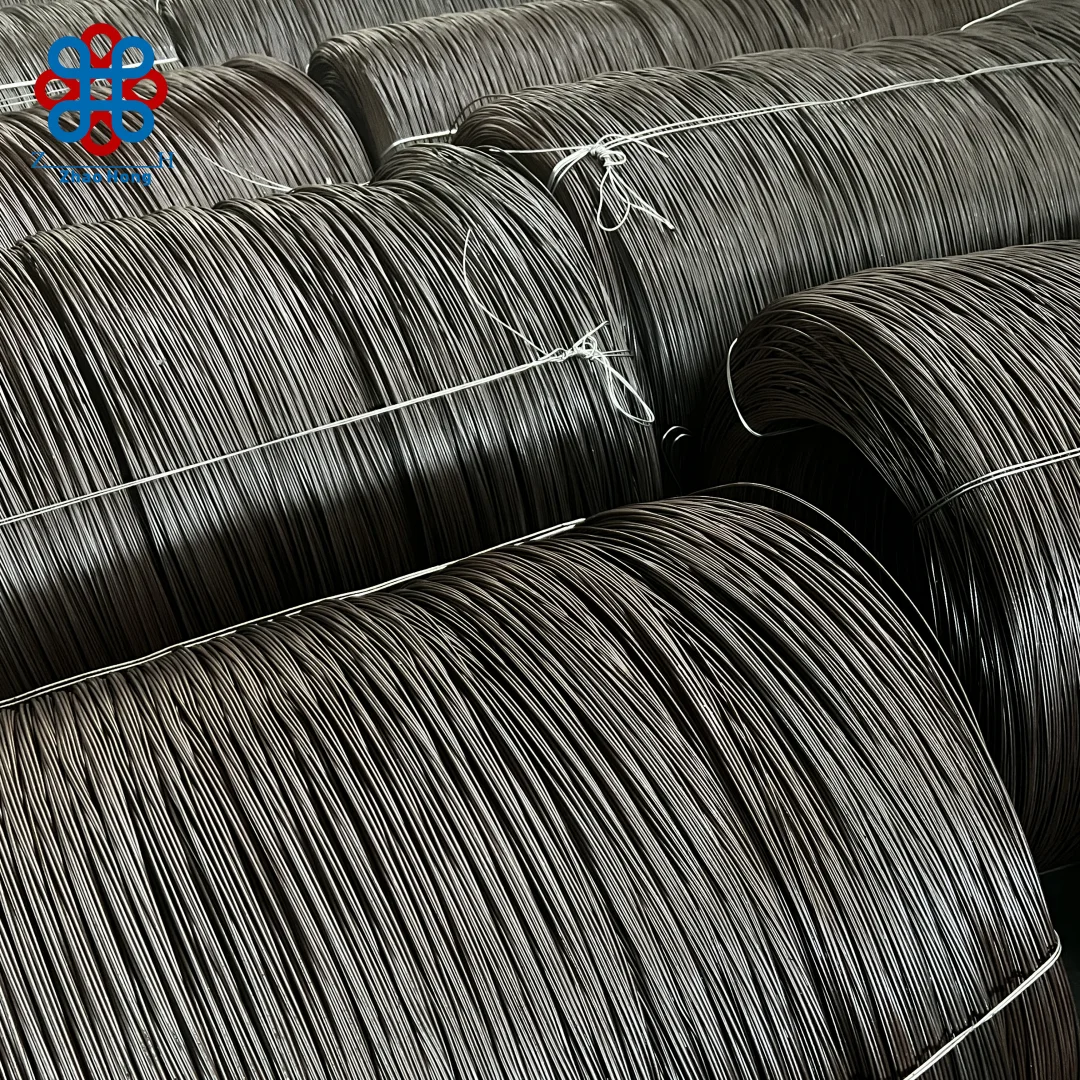
2. Black Annealed Wire (Fully Softened Wire)
Black annealed wire undergoes complete high‑temperature annealing and slow cooling process. The internal stress of cold drawing is fully released, providing excellent flexibility, ductility and bending resistance.
Pros: Soft and tough, bendable and knotable without breaking; smooth cutting section; stable feeding for automatic machines; low breakage rate during mesh production.
Best for: Wire mesh weaving, automatic cutting, repeated bending, rebar binding, deep processing and continuous factory production.
3. On‑site Quick Inspection Method
Bending Test – Bend the wire back and forth 3 to 5 times. Non‑annealed black wire breaks easily; qualified black annealed wire remains intact without cracking or powdering.
Cutting Observation – Ordinary hard wire produces cracked and burr‑rich ends after cutting; annealed wire shows flat and neat sections.
4. Buying Tips to Avoid Losses
-
For mesh weaving and mass cutting: Always choose black annealed wire. Low‑cost hard wire causes huge waste and machine downtime.
-
For simple temporary binding: Ordinary black iron wire is cost‑effective and sufficient.
-
Clear your order specification: Distinguish “black annealed wire” from “ordinary black iron wire” to prevent suppliers from mixing goods.
-
Sample inspection before bulk acceptance: Appearance color cannot define quality. Bending performance is the real standard.
Final Conclusion
Black wire with the same dark appearance may have completely different internal properties. For engineering binding and mesh production, toughness and processing stability matter more than low unit price. Select wire according to your processing method to avoid hidden construction and production risks.
#BlackAnnealedWire #BlackIronWire #BindingWire #WireMeshMaterial #ConstructionWire

Keywords:
More information


Contact
Phone/WhatsApp:
E-mail:
Address:
Huangtai Industrial Park, Xiaozhan Town,
Jinnan District, Tianjin, 300353, China
Follow us

Inquiry