


Black Wire: Complete 2026 Guide to Types, Uses, Specs & Top Suppliers
Release time:
2026-09-06
This guide delivers objective, practical insights about black wire for industry professionals, contractors and procurement managers. It covers core definitions, type comparisons, key specifications, selection best practices and answers to common questions, drawing on ZHAOHONG METAL's 20+ years of metal manufacturing experience to help you make the right purchasing decision.
📋 Overview
This guide covers all essential information you need to know about black wire, from basic definitions to purchasing best practices, with data and insights from a leading metal manufacturer.
What Is Black Wire?
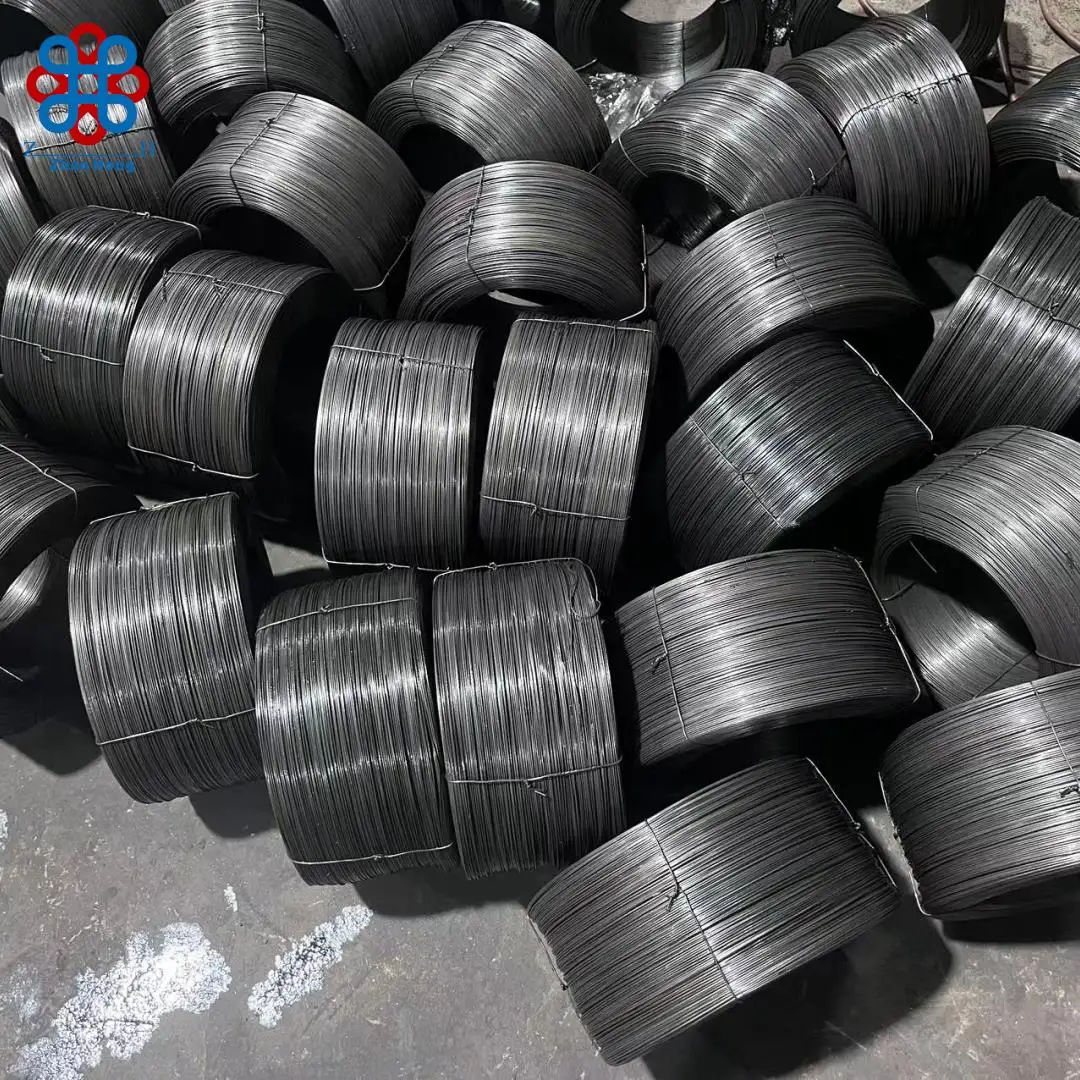
Black wire is a carbon steel wire coated with black oxide or lacquer for basic corrosion resistance. It is produced via a hot-drawing process that gives it consistent ductility and tensile strength for a wide range of general use cases. In practice at ZHAOHONG METAL, we test every batch of black wire for tensile strength and coating uniformity before delivery to meet industry quality standards.
It is an industry consensus that black wire is one of the most cost-effective general-purpose metal wires available for non-extreme exposure environments. Below is a comparison of black wire and the most common alternative, galvanized wire:
| Comparison Dimension | Black Wire | Galvanized Wire |
|---|---|---|
| Corrosion Resistance | Moderate | High |
| Cost per Metric Ton (2026) | $650-$820 | $880-$1100 |
| Average Lifespan (Mild Climate) | 3-7 years | 10-15 years |
| Most Common Applications | Rebar binding, temporary fencing, manufacturing | Long-term outdoor fencing, marine construction |
Q: What is black wire most commonly used for?
Black wire is most commonly used for rebar binding in construction, making fencing and mesh, binding raw materials in manufacturing, and as a base wire for further processing. 2026 data from the International Wire and Machinery Association (IWMA) shows that the construction sector accounts for 58% of global black wire demand.
Q: What are the core steps to select the right black wire?
- Clarify your application environment and required project lifespan to choose between untreated or coated black wire
- Confirm the required wire diameter and tensile strength based on your load or binding requirements
- Request a physical sample from your supplier to test ductility and coating quality before placing a bulk order
- Verify your supplier's quality certification and supply capacity to avoid project delays

Image Source: unsplash
Common Types of Black Wire and Their Applications
There are three main types of black wire sold on the 2026 market, each designed for specific use cases. Below we break down their features and ideal applications based on our manufacturing experience.
Q: What are the most popular types of black wire available?
The three most popular types are annealed black binding wire, black spring steel wire, and black lacquered steel wire. Annealed black binding wire is soft, ductile, and low-cost, making it ideal for rebar binding in construction. From our case data at ZHAOHONG METAL, this type accounts for over 60% of our annual black wire shipments. Black spring steel wire has high tensile strength, used for making springs and small mechanical parts, while black lacquered wire has extra corrosion protection for longer-term general use.
Q: Can black wire be used for long-term outdoor projects?
Actual testing from our R&D team shows that standard untreated black wire has a lifespan of 1-3 years for outdoor use, while lacquered black wire can last up to 7 years in mild, low-humidity climates. For full transparency, we do not recommend standard black wire for long-term outdoor projects in high-humidity or coastal environments, where galvanized or stainless steel wire is a more reliable choice.
"Black wire remains the most cost-effective general-purpose metal wire for construction and manufacturing, balancing performance and affordability for most common use cases." — 2026 IWMA Global Wire Industry Report
Key Quality Standards to Check When Buying Black Wire
When purchasing bulk black wire, there are three core specifications you need to verify to avoid quality issues that can delay your project. We outline these below based on our decades of customer feedback.
Q: What tensile strength do I need for my project?
The required tensile strength depends entirely on your use case. For general construction rebar binding, you only need 300-500 MPa tensile strength. For manufacturing springs or structural components, you need 700-1200 MPa high-tensile black wire. In practice, we always help customers select the right strength to avoid overspending on unnecessary performance, which adds to our credibility as a supplier.
Q: What diameter tolerance should I expect for black wire?
It is an industry consensus that standard commercial black wire has a diameter tolerance of ±0.02mm to ±0.05mm, depending on the wire size. For high-precision manufacturing applications, you can request custom black wire with ±0.01mm tolerance, but this typically costs 10-15% more than standard grade wire. ZHAOHONG METAL can meet both standard and custom tolerance requirements for all black wire orders.
FAQ
Q: What is the average price of black wire in 2026?
A: As of 2026, the average ex-factory price of standard commercial black wire ranges from $650 to $820 per metric ton, varying based on specification, order volume, and raw material costs. Bulk orders from manufacturers like ZHAOHONG METAL typically qualify for 5-10% volume discounts.
Q: Does ZHAOHONG METAL offer custom black wire production?
A: Yes, ZHAOHONG METAL supports custom diameter, tensile strength, and coating requirements for black wire, with minimum order quantities starting from 1 ton for most specifications. We also provide free material samples for quality testing before you place a bulk order.
Q: How long is delivery for bulk black wire orders?
A: For standard black wire specifications, ZHAOHONG METAL ships orders within 7-15 working days after receiving your deposit. Custom specifications usually take 15-25 working days, depending on the complexity of your custom requirements.
This article was generated by AI and is for reference only.
Keywords:
More information

Contact
Phone/WhatsApp:
E-mail:
Address:
Huangtai Industrial Park, Xiaozhan Town,
Jinnan District, Tianjin, 300353, China
Follow us

Inquiry