


Galvanized Wire Processing Cattle Net Specifications and Precautions
Release time:
2024-12-13
Galvanized Wire Processing Cattle Net Specifications
Galvanized Wire Processing Cattle Net Specifications
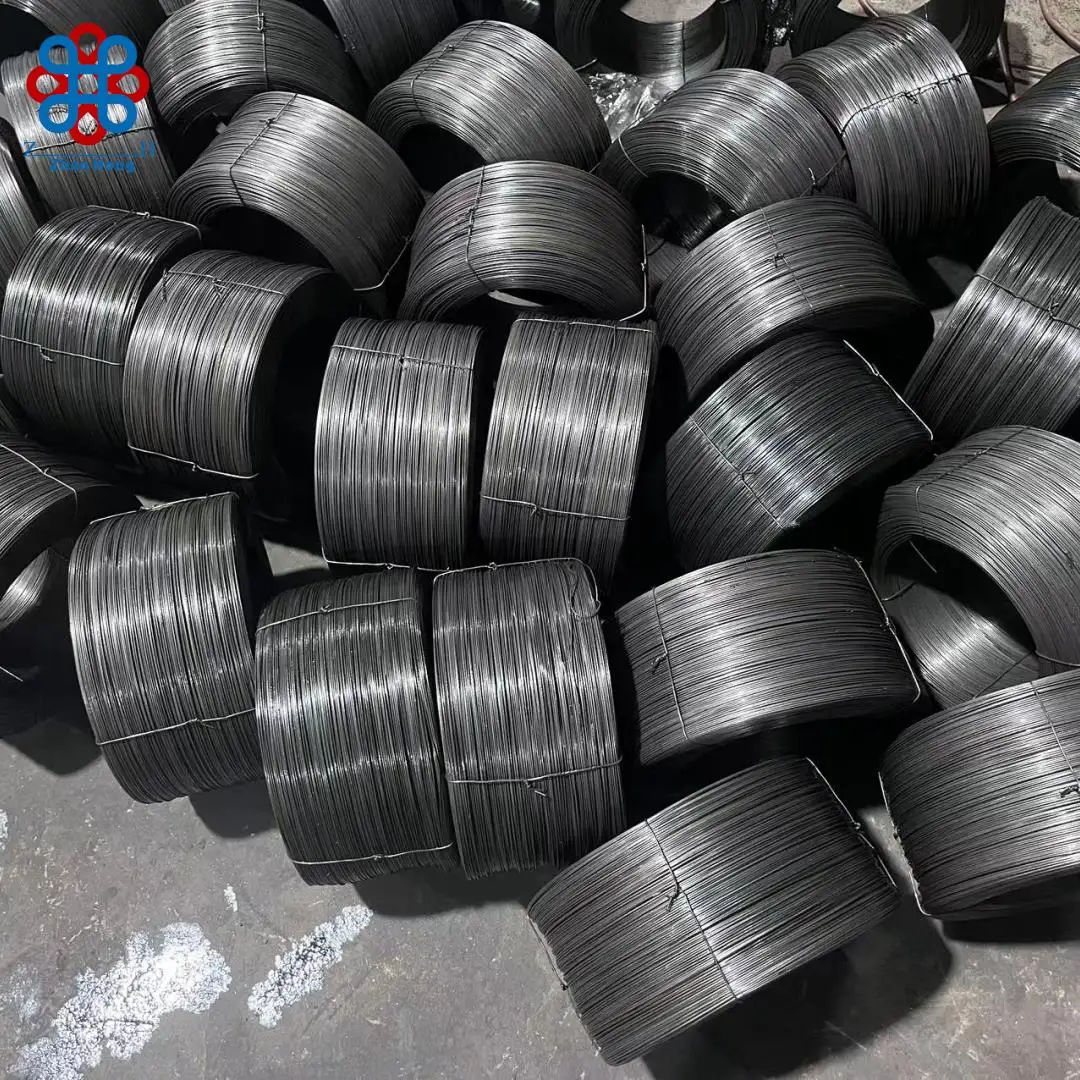
- Wire Diameter: The diameter of the galvanized wire commonly used for cattle nets ranges from 2.0mm to 3.0mm. Thinner wires like 2.0mm are suitable for making small-sized cattle nets or areas where the strength requirement is relatively low. Thicker wires such as 2.5mm to 3.0mm are used for large cattle nets or parts that need to bear greater pressure, like the framework of the cattle net.
- Mesh Size: The mesh size of the cattle net is usually between 50mm×50mm and 150mm×150mm. For calves, a smaller mesh size such as 50mm×50mm can be chosen to prevent their hooves or heads from getting stuck. For adult cattle, a mesh size of 100mm×100mm to 150mm×150mm is more appropriate, which can ensure safety and save material costs.
- Net Height: Generally, the height of the cattle net is between 1.0m and 1.5m. The height should be determined according to the size and activity of the cattle. For larger cattle breeds, a higher net height is required to prevent them from jumping out of the pen.
- Border Specification: If there is a border, it is usually made of thicker galvanized steel pipes or solid metal rods. The outer diameter of the galvanized steel pipe is commonly 20mm to 30mm, and the thickness is between 1.5mm and 3.0mm. The border can enhance the overall stability of the cattle net to withstand external forces such as the impact of cattle.

Precautions for Galvanized Wire Processing Cattle Net
- Before Processing:
- Material Inspection: Thoroughly check the quality of the galvanized wire before processing. Ensure that the galvanized layer is uniform and there is no peeling or missing plating. Use a caliper to measure the wire diameter to ensure it meets the requirements.
- Design Planning: Reasonably plan the size and shape of the cattle net based on factors such as the cattle breed, quantity, and the size of the breeding site. Determine the installation method, such as buried type, column type, etc.
- During Processing:
- Weaving Process: Ensure the uniformity of the mesh size during weaving. Use professional weaving equipment or strict manual weaving techniques. Pay attention to the tightness of the weaving to make the connection between the wires firm.
- Welding: If welding is involved, such as the connection between the border and the wire, choose an appropriate welding process like argon arc welding or carbon dioxide shielded welding. Ensure the quality of the weld, which should be full, free of pores, slag inclusions, etc. Protect the galvanized layer during welding.
- After Processing:
- Quality Inspection: Conduct a comprehensive quality inspection of the cattle net after processing. Check indicators such as mesh size, wire diameter, galvanized layer quality, and overall structural stability.
- Packaging and Storage: Package the cattle net properly to avoid scratching the wire surface. Store it in a dry and well-ventilated place to prevent rusting. If long-term storage is required, apply anti-rust oil on the wire surface.
- Installation Precautions: Install the cattle net according to the pre-designed installation method. Ensure the verticality and flatness of the net during installation. Pay attention to safety to avoid being scratched by the wire.

Additional Resources
- 2.5mm Galvanized Wire Ring Lock Farm Field
- Galvanized Cattle Fence for Livestocks - Farm Fence
- Galvanized Steel Wire Rope 8X19W+FC 26mm
- Galvanized wire 47 in. x 330 ft. Field Fence
Keywords:
More information


Contact
Phone/WhatsApp:
E-mail:
Address:
Huangtai Industrial Park, Xiaozhan Town,
Jinnan District, Tianjin, 300353, China
Follow us

Inquiry