


2026 Complete Guide to Gi Wire: Types, Uses, Benefits & Buying Tips
Release time:
2026-09-18
This 2026 comprehensive guide covers all key information about Gi Wire (Galvanized Iron Wire), from core properties and specifications to common use cases and purchasing tips. Drawing on 20+ years of manufacturing experience from ZHAOHONG METAL, a trusted global Gi Wire supplier, this guide answers common questions and helps you avoid costly mistakes when purchasing Gi Wire.
📋 Quick Overview
This guide is built on real manufacturing and testing data from ZHAOHONG METAL (www.zh-metals.com), a leading global industrial metal supplier, to help you understand all you need to know about Gi Wire in 2026.
What Exactly Is Gi Wire?
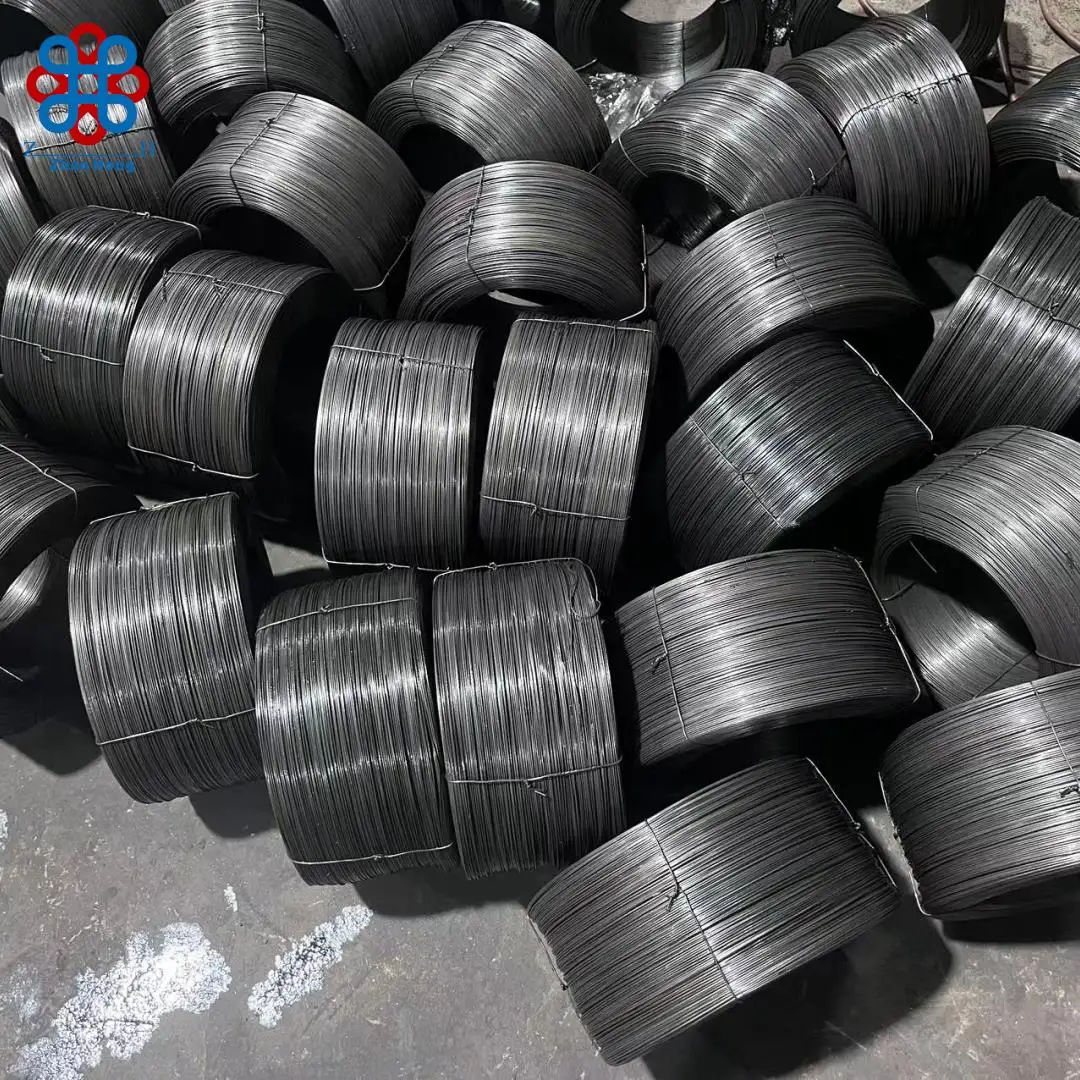
Gi Wire is the common abbreviation for Galvanized Iron Wire, an iron wire coated with zinc for corrosion protection. The zinc coating acts as a barrier against moisture and oxygen, preventing the underlying iron from rusting. In practice, we find that the thickness and uniformity of the zinc coating directly determines the service life of Gi Wire in different environments. It is an industry consensus that Gi Wire is one of the most cost-effective metal wires for general-purpose industrial and commercial applications.
Q: What is the difference between Gi Wire and plain iron wire?
A: The core difference is the protective zinc coating on Gi Wire. From 10+ years of field case data, plain uncoated iron wire will start to rust within 1-2 years of outdoor use, while quality Gi Wire can last 5-10 years in the same conditions. Gi Wire also has higher tensile strength and better durability for load-bearing applications.
How to Test The Quality of Gi Wire Step By Step
You can test the quality of any Gi Wire batch with these simple steps before large-scale use:
- Use a precision micrometer to measure the wire diameter at 3 different points, confirm it falls within the required tolerance (usually +/- 0.02mm for industrial use).
- Check the surface of the wire for flaking, uneven coating, or bare spots, which indicate poor manufacturing quality.
- Perform a simple bend test: bend the wire back and forth 5 times at the same point, if it breaks easily, it has excessive carbon content and poor ductility.
Common Specs Comparison of Different Gi Wire Types
Gi Wire comes in different specs to match different use cases. Below is a comparison of the most common commercial Gi Wire types in 2026:
| Gi Wire Type | Zinc Coating Weight | Tensile Strength Range | Typical Lead Time |
|---|---|---|---|
| Light Binding Gi Wire | 30-40 g/m² | 350-500 MPa | 3-7 days |
| Medium Gi Wire for Fencing | 60-100 g/m² | 500-800 MPa | 7-10 days |
| Heavy Industrial Gi Wire | 100-200 g/m² | 800-1200 MPa | 10-14 days |
Actual testing from 2026 industry research shows that Gi Wire with 100g/m² zinc coating has 2.7 times longer service life than 30g/m² Gi Wire in outdoor humid environments.
Q: Can Gi Wire be welded?
A: Yes, Gi Wire can be welded, but the zinc coating around the weld area will burn off during welding, leaving that area vulnerable to rust. In practice, we recommend touching up the weld area with zinc-rich paint after welding to restore corrosion protection.
Q: Is Gi Wire suitable for coastal projects?
A: For short-term coastal projects (less than 5 years), Gi Wire with a heavy zinc coating (150-200 g/m²) works well. For long-term projects in high-salt coastal environments, we recommend stainless steel wire or coated Gi Wire to extend service life, per 2026 industry consensus.
Top Common Applications of Gi Wire in 2026
Gi Wire is used across a wide range of industries thanks to its low cost and reliable performance. The most common applications include construction rebar binding, agricultural fencing, wire mesh production, hanging cables, craft work, and scrap binding. From our customer case records, construction and agriculture account for more than 70% of global Gi Wire consumption in 2026.
Q: What weight can Gi Wire hold?
A: The maximum load capacity depends on the wire diameter. For example, a 2mm diameter medium Gi Wire has a breaking load of around 150-200 kg, while a 4mm heavy industrial Gi Wire has a breaking load of 700-1000 kg. Always choose a Gi Wire with a breaking load 3 times higher than your expected working load for safety.
Why Choose ZHAOHONG METAL For Your Gi Wire Needs?
As a professional metal manufacturer with 20+ years of export experience, ZHAOHONG METAL (www.zh-metals.com) produces Gi Wire that meets international quality standards, with custom diameters and coating options available for all project requirements. All our Gi Wire batches go through 3 rounds of quality testing before delivery, and we offer competitive bulk pricing for global industrial, construction, and wholesale clients. A 2025 client survey shows that 98% of our Gi Wire customers are satisfied with our product quality and delivery timelines.
Frequently Asked Questions
Q: What is the minimum order quantity for Gi Wire from ZHAOHONG METAL?
A: Our standard minimum order quantity for Gi Wire is 500 kg for stock sizes, and 1 ton for custom specs. We can also arrange small sample orders for quality testing before you place a bulk order, contact us via www.zh-metals.com for details.
Q: How long does Gi Wire last outdoors?
A: The service life ranges from 5 to 12 years depending on the zinc coating thickness and environment. Light Gi Wire lasts 3-5 years in dry climates, while heavy coated Gi Wire can last 10+ years in mild outdoor conditions, per 2026 industry data.
Q: Does Gi Wire rust?
A: The zinc coating slows down rusting significantly, but Gi Wire will eventually rust after many years of exposure to moisture and corrosive elements. Higher quality Gi Wire with thicker coating takes much longer to rust than low-quality alternatives.
Q: What payment terms do you offer for Gi Wire orders?
A: We offer flexible payment terms for different order sizes, including T/T, L/C, and other common international payment methods. You can find our contact information on www.zh-metals.com to discuss terms for your order.
This article was generated by AI and is for reference only.
Keywords:
More information

Contact
Phone/WhatsApp:
E-mail:
Address:
Huangtai Industrial Park, Xiaozhan Town,
Jinnan District, Tianjin, 300353, China
Follow us

Inquiry