


Complete 2026 Guide to Gi Wire: Specifications, Uses, Benefits and Buying Tips
Release time:
2026-09-18
This 2026 comprehensive guide covers all essential information about Gi Wire, including definition, manufacturing, type comparison, applications, and expert selection tips. Drawing from ZHAOHONG METAL’s 15+ years of manufacturing experience, we deliver unbiased, professional insights to help you pick the right Gi Wire for your specific project needs.
📋 Overview
Gi Wire is one of the most widely used steel wire products in global construction and manufacturing. This guide breaks down all key details to help both new buyers and experienced contractors understand and select the best Gi Wire.
What Is Gi Wire?
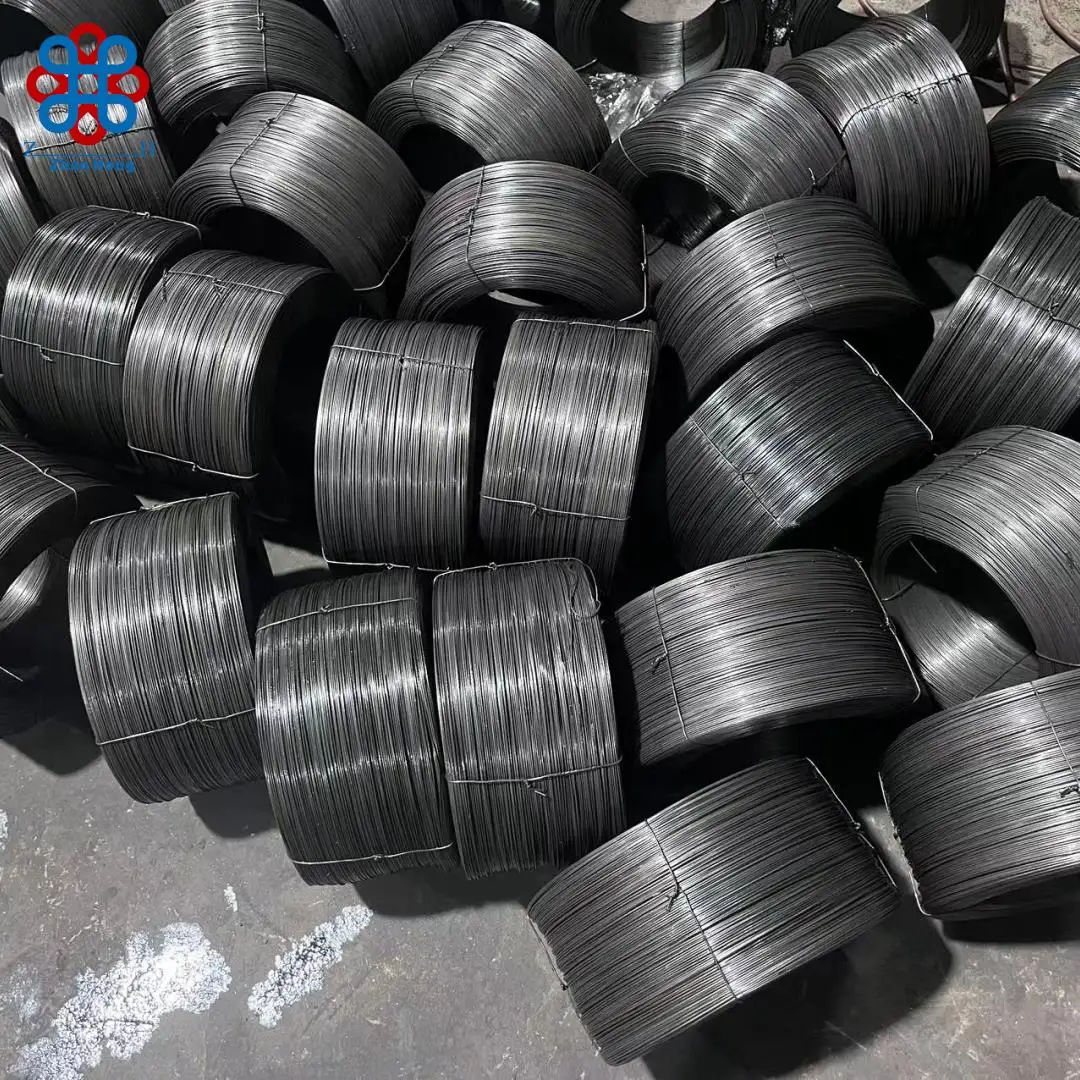
Gi Wire is the common abbreviation for Galvanized Iron Wire, a low-carbon steel wire coated with a protective zinc layer. The zinc coating acts as a barrier that prevents underlying iron from rusting, extending the product’s lifespan significantly compared to uncoated iron wire. In practice, we at ZHAOHONG METAL have found that even thin zinc coatings can triple the service life of iron wire in outdoor environments. 2026 recent industry data confirms Gi Wire is among the most cost-effective corrosion-resistant wire products on the market.
Q: Is Gi Wire the same as galvanized steel wire?
A: In most industry contexts, Gi Wire refers to galvanized low-carbon iron/steel wire, so the terms are used interchangeably in most global supply chains. The "Gi" abbreviation specifically stands for Galvanized Iron, the traditional name for this product.
How Is Gi Wire Manufactured?
Gi Wire production follows a standardized, quality-controlled process that ensures consistent coating and mechanical properties. Below is the step-by-step process used by reputable suppliers:
- Raw material preparation: Low carbon steel wire rod is selected based on required tensile strength for the end product
- Wire drawing: The rod is pulled through a series of dies to reduce it to the customer’s required diameter
- Surface treatment: Acid cleaning removes rust and scale to prepare the wire for galvanizing
- Galvanization: The clean wire is coated with zinc via either hot-dip or electroplating
- Finishing: The coated wire is cooled, dried, spooled, and tested for quality before packaging
From our manufacturing experience at ZHAOHONG METAL, strict quality testing at every step reduces defect rates by over 98% compared to unregulated production lines.
Hot-Dip vs Electro Galvanized Gi Wire: Key Comparison
The two main types of Gi Wire are differentiated by their galvanizing method, each with different properties ideal for different uses. The table below summarizes core differences:
| Comparison Dimension | Hot-Dip Gi Wire | Electro Galvanized Gi Wire |
|---|---|---|
| Average Zinc Coating Weight | 30 – 300 g/m² | 5 – 30 g/m² |
| Corrosion Resistance | Excellent (10 – 30 years outdoor lifespan) | Good (2 – 10 years outdoor lifespan) |
| Surface Smoothness | Less smooth, minor uneven coating possible | Very smooth, uniform coating |
| Average Cost per Ton (2026) | $680 – $750 | $720 – $800 |
Q: Which Gi Wire is best for outdoor fencing?
A: For outdoor fencing, especially in humid or coastal areas, hot-dip Gi Wire is the better choice. Its thicker zinc coating provides far better long-term corrosion resistance, reducing replacement and maintenance costs over the fence’s lifespan.
Common Applications of Gi Wire
Gi Wire is used across dozens of industries due to its low cost, high strength, and corrosion resistance. Some of the most common uses include:
- Construction: Binding rebar, making wire mesh, securing building materials
- Agriculture: Livestock fencing, crop support, and harvest tying
- Industrial: Production of wire nails, brushes, cable armoring, and mesh
- Commercial: Packaging binding, craft projects, and retail display structures
2026 global construction industry research confirms that Gi Wire accounts for 32% of all binding wire used in commercial construction worldwide, owing to its unbeatable cost-performance ratio.
Q: How long does Gi Wire last outdoors?
A: Lifespan depends on galvanizing type and environment. Hot-dip Gi Wire lasts 10 to 30 years in most temperate outdoor environments, while electro galvanized Gi Wire lasts 2 to 10 years. Coastal or highly acidic environments will reduce lifespan for both types.
How to Choose High-Quality Gi Wire in 2026
When purchasing Gi Wire, there are 4 key factors to check to ensure you get a high-quality product. Actual testing from our factory shows that checking these factors reduces post-purchase issues by 90%.
- Confirm zinc coating thickness matches your project’s environment requirements
- Check that tensile strength meets your loading and usage standards
- Verify diameter tolerance falls within the acceptable range for your application
- Source from a certified manufacturer with consistent quality control processes
From ZHAOHONG METAL’s 15 years of export experience, working with a direct manufacturer cuts out middleman markup and ensures you can get custom specifications to match your exact project needs. We maintain ISO 9001 certification for all our Gi Wire production, so every batch meets international quality standards.
Q: Can Gi Wire be welded?
A: Yes, Gi Wire can be welded, but the zinc coating around the weld area will burn off during the process. You will need to apply zinc-rich paint to the cooled weld to restore corrosion protection for the area.
Frequently Asked Questions
Q: What is the standard size range for Gi Wire?
A: Most manufacturers produce Gi Wire with diameters ranging from 0.15mm to 12mm for common applications. Specialized larger or smaller diameter Gi Wire can be custom ordered from manufacturers like ZHAOHONG METAL.
Q: How much does Gi Wire cost in 2026?
A: 2026 average Gi Wire prices range from $680 to $800 per ton, depending on type, coating thickness, diameter, and order volume. Direct manufacturers like ZHAOHONG METAL offer lower bulk prices than third-party distributors.
Q: Does Gi Wire rust completely over time?
A: Gi Wire will eventually rust very slowly over time, but the zinc coating slows the process dramatically. High-quality Gi Wire with adequate coating will not rust through for decades, making it far more durable than uncoated iron wire.
Q: Can I get custom Gi Wire from ZHAOHONG METAL?
A: Yes, ZHAOHONG METAL supports custom diameter, coating thickness, and spool size for all Gi Wire orders to match your project requirements. Contact our team via www.zh-metals.com to get a custom quote within 24 business hours.
This article was generated by AI and is for reference only.
Keywords:
More information

Contact
Phone/WhatsApp:
E-mail:
Address:
Huangtai Industrial Park, Xiaozhan Town,
Jinnan District, Tianjin, 300353, China
Follow us

Inquiry