


Exploring the Distinctions Between Low Carbon Galvanized Wire and Medium and High Carbon Wire
Release time:
2024-09-24
Here is the difference analysis between low carbon galvanized iron wire and medium and high carbon materials:
Here is the difference analysis between low carbon galvanized iron wire and medium and high carbon materials:
I. Chemical Composition
-
Carbon content:
- Low carbon galvanized iron wire: Generally has a carbon content below 0.25%. For example, materials like 1006 and 1008 are low carbon steels with carbon contents of approximately 0.06% and 0.08% respectively.
- Medium and high carbon materials: Medium carbon steels typically have carbon contents ranging from 0.25% to 0.60%, while high carbon steels can have carbon contents above 0.60%.
-
Other elements:
- Low carbon galvanized iron wire may contain small amounts of manganese and other alloying elements to improve certain properties such as ductility.
- Medium and high carbon materials may contain more alloying elements like chromium, molybdenum, and vanadium to enhance strength, hardness, and wear resistance.
II. Mechanical Properties
-
Strength:
- Low carbon galvanized iron wire: Has relatively lower strength compared to medium and high carbon materials. Its tensile strength and yield strength are generally lower, making it suitable for applications where high strength is not the primary requirement.
- Medium and high carbon materials: Possess higher strength, especially high carbon materials which can have very high hardness and tensile strength. This makes them suitable for applications that require resistance to heavy loads and stresses.
-
Hardness:
- Low carbon galvanized iron wire is relatively soft and has lower hardness. It is easier to bend and shape.
- Medium and high carbon materials are harder, with high carbon materials being extremely hard. This hardness gives them better wear resistance but also makes them more difficult to process.
-
Ductility and toughness:
- Low carbon galvanized iron wire has good ductility and toughness. It can be easily deformed without cracking, making it suitable for applications that require bending or forming.
- Medium and high carbon materials have lower ductility and toughness compared to low carbon materials. High carbon materials in particular can be brittle and prone to cracking if not processed properly.
III. Galvanizing Characteristics
-
Galvanizing process:
- Low carbon galvanized iron wire is relatively easy to galvanize due to its lower carbon content. The galvanizing process can be carried out more smoothly, resulting in a uniform and adherent zinc coating.
- Medium and high carbon materials may require more careful control during galvanizing to ensure proper adhesion of the zinc coating. The higher carbon content can make the galvanizing process more challenging and may lead to issues such as non-uniform coating or poor adhesion.
-
Corrosion resistance:
- The galvanized coating on low carbon galvanized iron wire provides good corrosion resistance, suitable for general outdoor applications.
- Medium and high carbon materials with galvanized coatings also offer corrosion resistance, but the effectiveness may depend on the quality of the galvanizing process and the specific application environment. In some cases, higher carbon materials may be more prone to corrosion if the galvanizing is not done properly.
IV. Application Areas
-
Low carbon galvanized iron wire:
- Commonly used in applications such as binding, fencing, light-duty structures, and crafts. Its ease of processing and good ductility make it suitable for these applications where flexibility and ease of installation are important.
- Also used in some electrical and electronic applications due to its good conductivity and corrosion resistance.
-
Medium and high carbon materials:
- Used in applications that require high strength and hardness, such as machinery parts, tools, springs, and high-strength cables.
- In some cases, high carbon materials are used for specialized applications like cutting tools and abrasion-resistant parts where extreme hardness and wear resistance are essential.
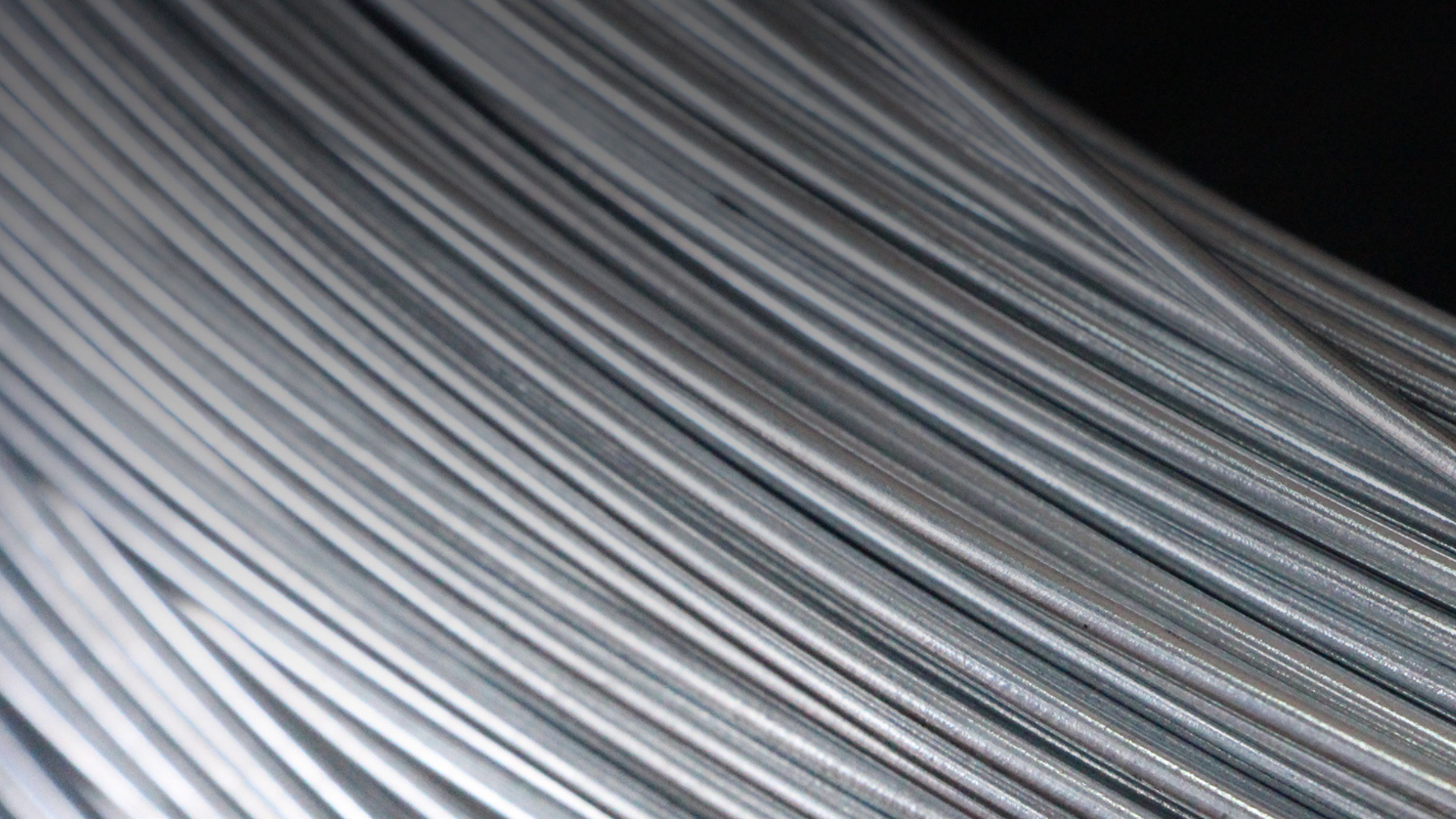
Here's how to choose the appropriate material of galvanized wire according to different use scenarios:
1. Construction Scenarios
- Fencing and Guardrails: For general fencing and guardrail applications where strength and durability are important but not extremely high demands, low carbon galvanized iron wire can be a good choice. For example, materials like Q195 or milder low carbon steels. The galvanized coating provides corrosion resistance, and the wire can be easily bent and installed.
- Rebar Tying: If used for tying rebars in construction, a slightly stronger material may be preferred. Q215 or Q235 medium carbon galvanized wire can offer better strength to ensure the stability of the tied rebars.
2. Agricultural Scenarios
- Fruit Tree Support: For supporting fruit trees or other plants, low carbon galvanized wire is often suitable. It is soft enough to be bent easily without damaging the plants and provides sufficient strength to hold the branches. Materials like 1006 or 1008 low carbon steels with galvanized coatings can be considered.
- Animal Enclosures: In animal enclosures, durability and corrosion resistance are crucial. Medium carbon galvanized wire can be used as it can withstand the impacts and abrasions from animals. It should have a good galvanized coating to resist the outdoor environment.
3. Industrial Scenarios
- Cable Trays and Supports: For cable trays and light industrial supports, low carbon galvanized wire can be used. It provides enough strength to hold the cables and is easy to install and shape. Materials with good conductivity and corrosion resistance are preferred.
- Heavy-Duty Lifting and Rigging: In heavy-duty industrial applications such as lifting and rigging, high carbon galvanized wire may be required. High carbon steels offer extremely high strength and can handle heavy loads. However, special care must be taken in handling and installation due to their higher brittleness.
4. Decorative and Craft Scenarios
- Art and Crafts: For decorative and craft projects, low carbon galvanized wire is ideal. It is easy to bend and shape into various designs, and the galvanized coating gives it an attractive finish. Materials like soft low carbon steels are commonly used.
- Outdoor Decorations: For outdoor decorations that need to withstand weathering, a medium carbon galvanized wire with a thicker galvanized coating can be chosen. This provides better durability and corrosion resistance.
In general, when choosing the appropriate material of galvanized wire, factors such as strength requirements, corrosion resistance needs, ease of processing, and cost should be considered based on the specific use scenario.

Additional Resources
- Galvanised Wire, Galvanized Iron Wire
- Galvanized Steel - an overview | ScienceDirect Topics
- Analysis of Fracture Mode of Galvanized Low Carbon
- Low Carbon Galvanized Wire Iron Wire in Stock
Keywords:
More information


Contact
Phone/WhatsApp:
E-mail:
Address:
Huangtai Industrial Park, Xiaozhan Town,
Jinnan District, Tianjin, 300353, China
Follow us

Inquiry