


Analysis and Key Points of Cold Drawn Wire Process Characteristics
Release time:
2024-08-08
Process characteristics of cold drawn wire:
Process characteristics of cold drawn wire:
- Enhanced mechanical properties: Cold drawing significantly increases the tensile strength and hardness of the wire, making it stronger and more durable.
- Improved surface finish: The process results in a smooth and clean surface, reducing the risk of surface defects and enhancing the appearance.
- Precise dimensional accuracy: Cold drawn wire can achieve very tight dimensional tolerances, ensuring consistent diameter and shape throughout the length.
- Better straightness: The wire has excellent straightness, which is crucial for applications where accurate alignment is required.
Key points in the cold drawing process:
- Material selection: Choosing the right raw material with appropriate chemical composition and microstructure is essential. The quality and properties of the starting material greatly influence the final outcome of the cold drawing process.
- Die design and quality: The design and condition of the drawing dies have a significant impact on the quality and efficiency of the process. Well-designed dies with proper lubrication channels and suitable hardness can reduce friction and wear.
- Lubrication: Adequate lubrication is critical to minimize friction between the wire and the die, prevent excessive heat generation, and reduce the risk of surface damage and tool wear.
- Drawing speed and reduction ratio: The speed at which the wire is drawn and the amount of reduction in each pass need to be controlled carefully. Excessive speed or too large a reduction ratio can lead to defects and reduced mechanical properties.
- Intermediate annealing: Depending on the material and the extent of deformation, intermediate annealing may be necessary to relieve the work hardening and restore the ductility of the wire for further drawing.
- Quality control: Regular inspection and testing of the wire's dimensions, mechanical properties, and surface quality are essential to ensure compliance with the required standards.
Understanding and controlling these process characteristics and key points are crucial for achieving high-quality cold drawn wire with desired properties for various applications.
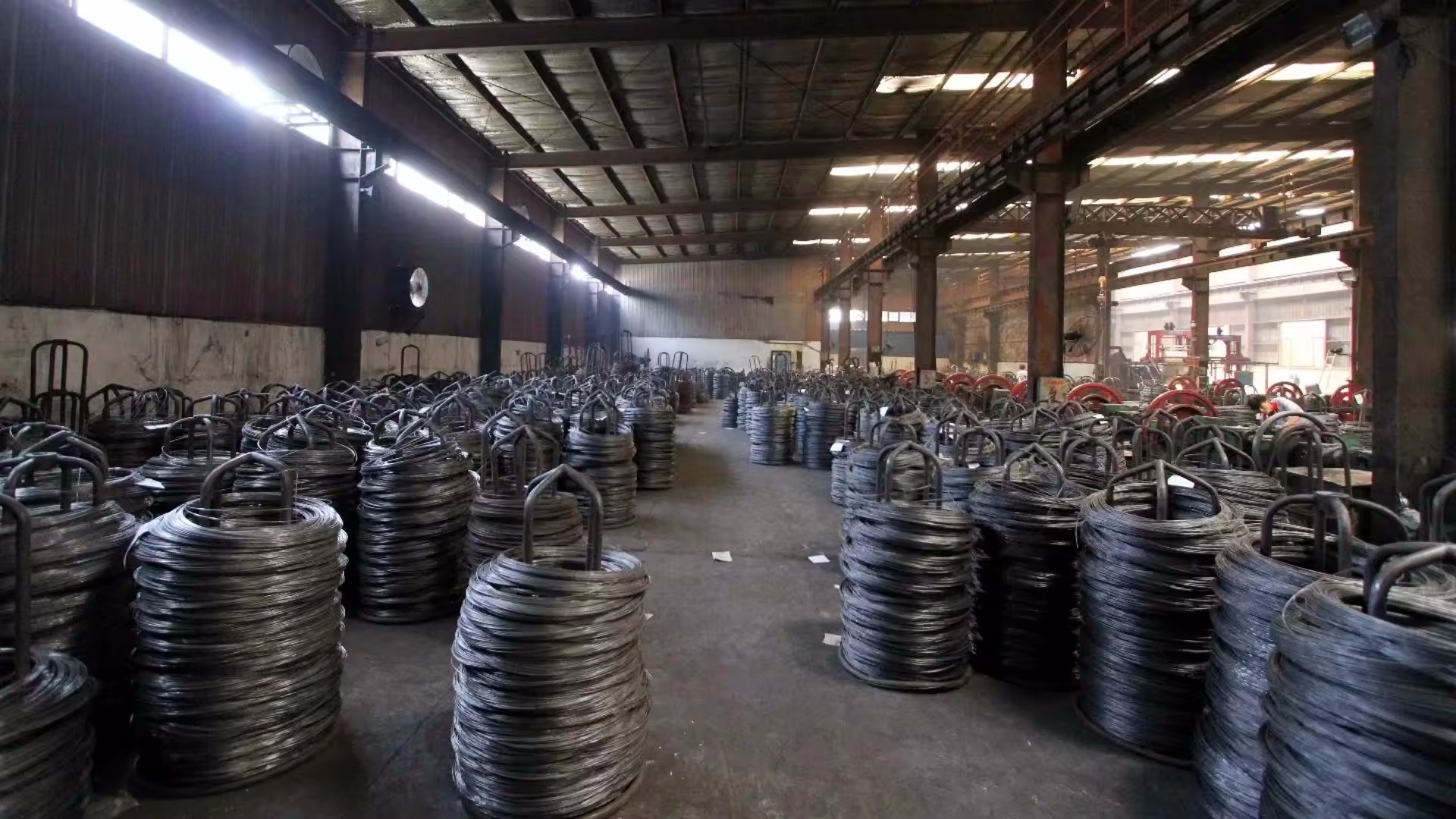
To choose raw materials suitable for cold drawn wire production, consider the following:
-
Chemical composition: The raw material should have a suitable carbon content. Generally, low to moderate carbon levels are preferred for better ductility. Also, the presence and amounts of alloying elements like manganese, chromium, and nickel should be considered based on the desired properties of the final cold drawn wire.
-
Metallurgical quality: Look for raw materials with a homogeneous microstructure, free from inclusions, porosity, and other defects. A fine-grained structure is often beneficial.
-
Mechanical properties: The starting material should have adequate strength and ductility. Good initial ductility allows for easier deformation during the cold drawing process without cracking.
-
Surface quality: A smooth and defect-free surface on the raw material helps prevent surface flaws and improves the quality of the cold drawn wire.
-
Dimensional accuracy: The raw material should have consistent diameter and shape to ensure uniform drawing and minimize waste.
-
Supplier reputation: Choose a reliable supplier with a proven track record of providing high-quality raw materials that meet industry standards.
-
Cost: Consider the cost of the raw material while ensuring it meets all the quality and performance requirements.
Evaluating these factors will assist in selecting the most suitable raw materials for efficient and high-quality cold drawn wire production.

Additional Resources
- Modeling and analysis of cold drawing process
- Hydrogen Degradation of Cold-Drawn Wires
- Influence of the Straining Path during Cold Drawing
- Residual Stress Engineering for Wire Drawing of Austenitic
Keywords:
More information


Contact
Phone/WhatsApp:
E-mail:
Address:
Huangtai Industrial Park, Xiaozhan Town,
Jinnan District, Tianjin, 300353, China
Follow us

Inquiry