


Comparing Hot Dipped Galvanized Wire to Electric Galvanized Wire
Release time:
2024-07-12
The main differences between hot dip galvanized wire and electric galvanized wire are as follows:
The main differences between hot dip galvanized wire and electric galvanized wire are as follows:
-
Galvanizing process:
- Hot dip galvanizing: The wire is immersed in molten zinc at high temperature for galvanization.
- Electric galvanizing: The zinc layer is deposited on the wire surface through electrolysis.
-
Thickness of the zinc layer:
- The zinc layer in hot dip galvanizing is thicker, usually above 50 - 100 microns.
- The zinc layer in electric galvanizing is relatively thinner, typically within 5 - 30 microns.
-
Appearance:
- The surface of hot dip galvanized wire is relatively rough and has a darker color, presenting a silver-gray shade.
- The surface of electric galvanized wire is smooth and flat, with a bright luster and a silver-white color.
-
Corrosion resistance:
- Hot dip galvanizing offers stronger corrosion resistance and can remain rust-free for a longer time in harsh outdoor environments.
- Electric galvanizing has relatively weaker corrosion resistance and is suitable for indoor or milder environments.
-
Cost:
- The production cost of hot dip galvanizing is relatively higher.
- The cost of electric galvanizing is relatively lower.
-
Adhesion:
- The adhesion of the zinc layer in hot dip galvanizing is stronger and less likely to fall off.
- The adhesion of the zinc layer in electric galvanizing is relatively weaker.
-
Production efficiency:
- The production efficiency of hot dip galvanizing is relatively lower.
- The production efficiency of electric galvanizing is higher.
-
Application scope:
- Hot dip galvanized wire is often used in outdoor applications with high corrosion resistance requirements, such as highway guardrails and power towers.
- Electric galvanized wire is commonly used in indoor environments with higher appearance requirements and lower corrosion resistance requirements, such as parts of household appliances and hardware products.
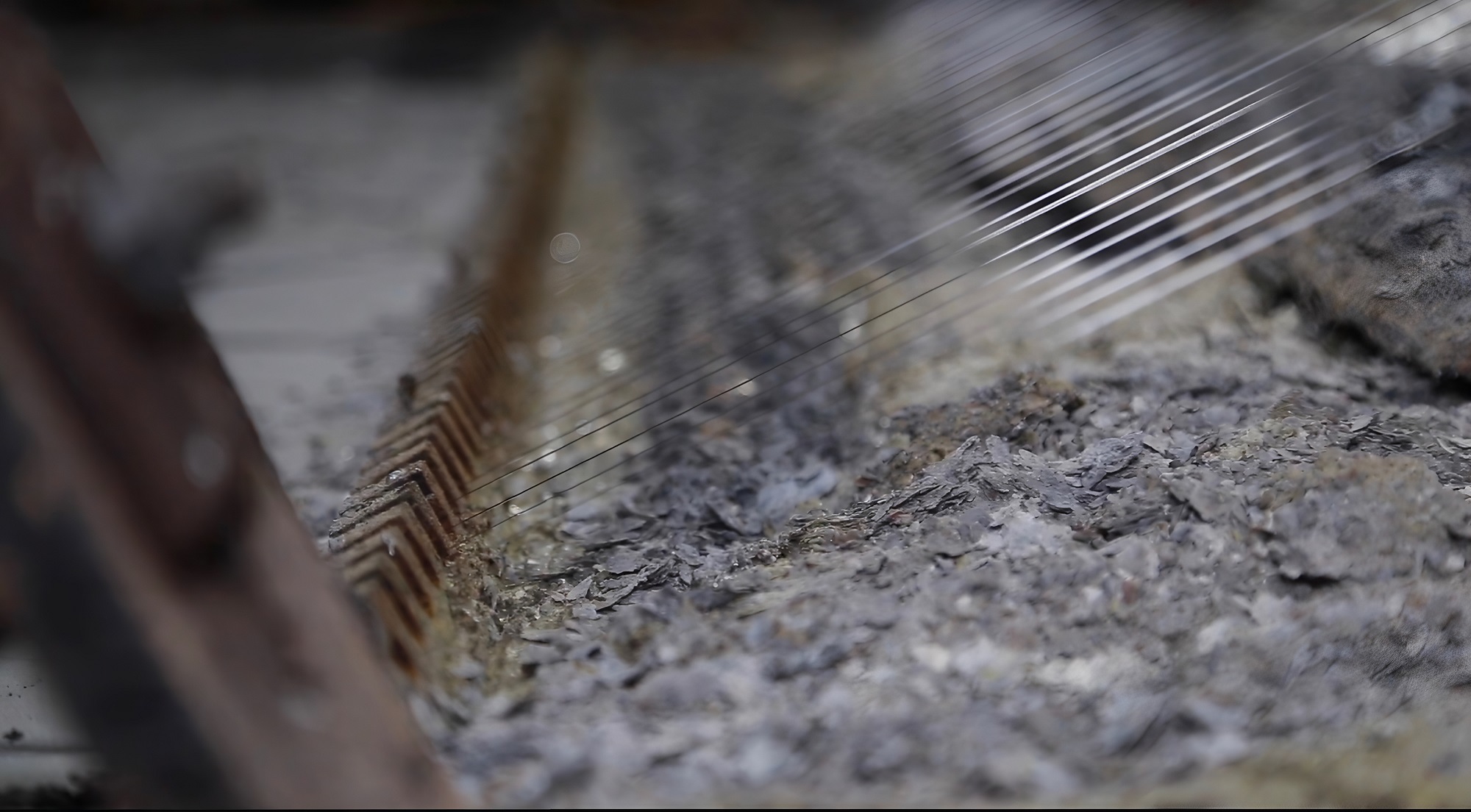
Here are some common methods for testing the zinc layer of galvanized wire:
-
Visual inspection: Observe the surface of the galvanized wire directly. The zinc layer should be uniform, smooth, and free of defects such as uncoated areas, peeling, flaking, and black spots.
-
Thickness measurement:
- Magnetic thickness gauge: Use a magnetic thickness gauge. This method is simple, convenient, and quick to operate and is a commonly used non-destructive measurement method.
- Metallographic microscope method: Cut a sample of the galvanized wire, prepare a metallographic section, and measure the thickness of the zinc layer under a microscope. This method is more accurate but is destructive.
-
Adhesion test:
- Bending test: Bend the galvanized wire repeatedly to observe if the zinc layer peels or flakes.
- Hammering test: Gently hit the galvanized wire with a hammer to check the adhesion of the zinc layer.
-
Copper sulfate test: Immerse the galvanized wire in a copper sulfate solution for a certain period and observe if there is any red copper precipitation on the surface to determine the integrity and porosity of the zinc layer.
-
Salt spray test: Place the galvanized wire in a salt spray test chamber to simulate a harsh corrosive environment. Evaluate the corrosion resistance of the zinc layer based on the time when rust appears.
-
Electrochemical testing: Such as polarization curve testing and AC impedance testing. Analyze the corrosion behavior and protective performance of the zinc layer through electrochemical methods.
These methods can be used alone or in combination to comprehensively and accurately assess the quality of the zinc layer of the galvanized wire.

Addition Resources
-
Electro Galvanized vs. Hot Dip Galvanized Wire Rope
-
difference between electro-galvanized and hot dip galvanized
-
Hot Dipped Galvanized Wire vs Galvanized Steel Wire
-
Electro-Galvanized VS Hot-Dip Galvanized (HDG)
More information


Contact
Phone/WhatsApp:
E-mail:
Address:
Huangtai Industrial Park, Xiaozhan Town,
Jinnan District, Tianjin, 300353, China
Follow us

Inquiry