


Can Galvanized Steel Wire Be Used for an Electric Fence?
Release time:
2024-06-18
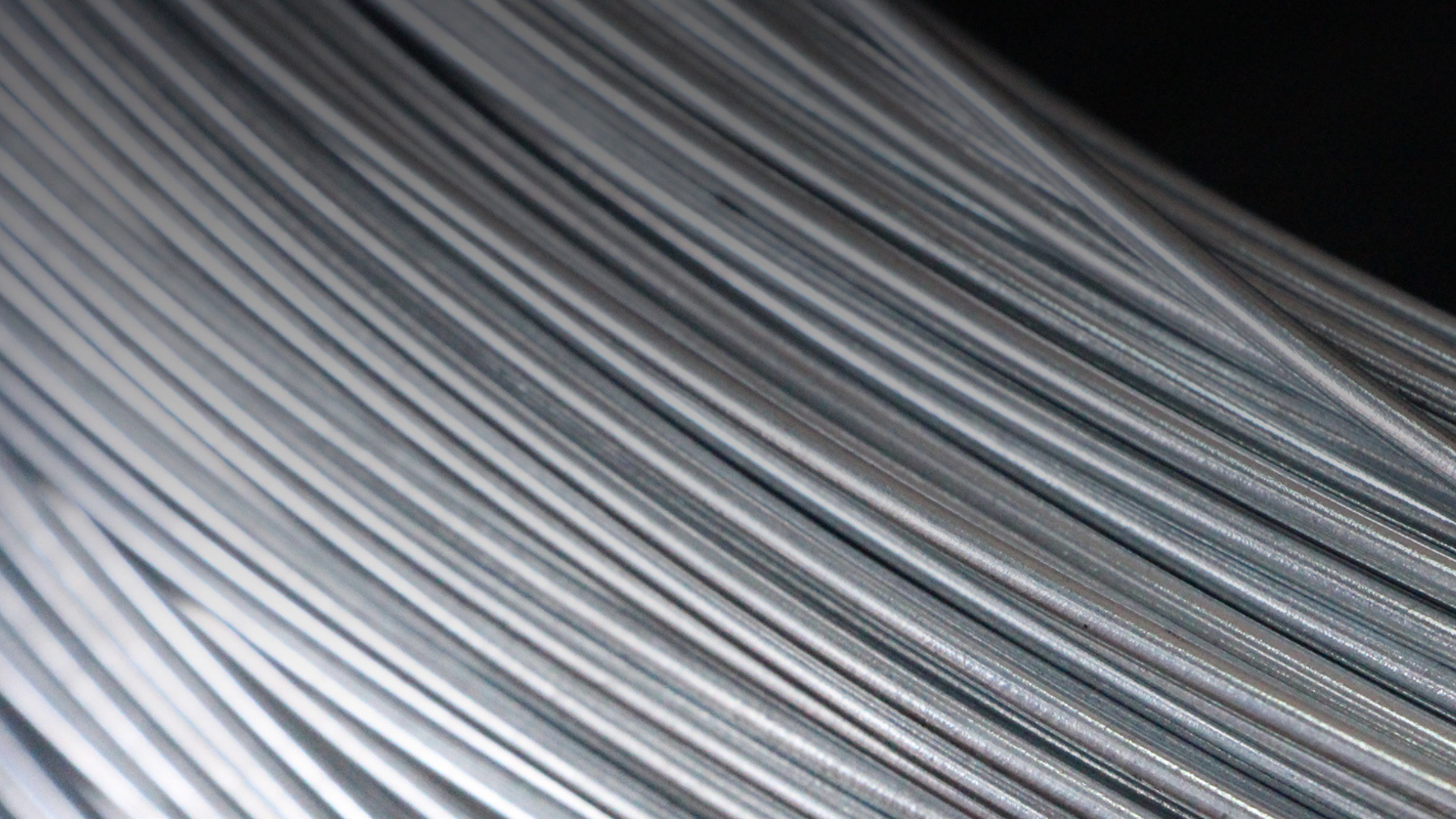
Galvanized steel wire can be used for an electric fence in some cases, but there are a few considerations.
Galvanized steel wire can be used for an electric fence in some cases, but there are a few considerations.
The galvanized coating can provide some corrosion resistance, which is important for an outdoor fence that will be exposed to the elements. However, over time, the galvanization may wear off or be damaged, potentially leading to rust and reduced conductivity.
Another factor is the conductivity of the wire itself. While galvanized steel is conductive, it may not have as high a conductivity as some other materials specifically designed for electric fencing. This could potentially affect the efficiency and effectiveness of the electric current passing through the fence.
Also, depending on the specific requirements of the electric fence system and the animals it is intended to contain or repel, other factors such as wire thickness and strength might come into play.
In some situations, it might work fine for a basic electric fence setup, especially if proper maintenance and monitoring are in place. But in more demanding or critical applications, specialized electric fence wires may be a better choice.
For example, on a small hobby farm where the electric fence is not under heavy stress and the budget is a consideration, galvanized steel wire might be sufficient. But for a large commercial operation with high animal densities and strict security needs, dedicated electric fence materials might be preferred.
How tight should galvanized steel electric fence wire be?
The tightness of galvanized steel electric fence wire depends on several factors:
Ideally, the wire should be taut enough to maintain its shape and provide a clear barrier, but not so tight that it causes excessive stress on the posts or fittings. A general guideline is to have the wire fairly straight and with minimal sag between posts.
The specific tightness can vary based on:
- Type of animals being fenced: Different animals may require different levels of tension to be an effective deterrent.
- Distance between posts: Shorter distances may allow for a bit more tension compared to longer spans.
- Environmental conditions: Areas with high winds or other forces might require a bit more tension to resist movement.
As a rough estimate, you might aim for a tension that allows the wire to be pulled about 1-2 inches (2.5-5 centimeters) away from its resting position when gently pulled.
For example, for a small pasture with relatively calm conditions and fencing light to medium-sized animals, a medium tension might be appropriate. However, in a windy area or for a fence to contain more powerful or determined animals, you might need to increase the tension slightly. It's important to find a balance that ensures the fence functions effectively while also minimizing the risk of damage to the wire or posts.

Addtional Resources
-
Which electric fence wire is right for you?
-
Common Mistakes with Electric Fencing
-
Electric Fence Installation - Construction Tips - Cattle Farming
-
Fence Systems for Grazing Management 2. Permanent
More information


Contact
Phone/WhatsApp:
E-mail:
Address:
Huangtai Industrial Park, Xiaozhan Town,
Jinnan District, Tianjin, 300353, China
Follow us

Inquiry