


The Protective Value of Passivation & Sealing for Galvanized Wire: Double Service Life with the Same Zinc Coating
Release time:
2026-07-30
Most buyers only focus on zinc coating weight when purchasing galvanized wire, ignoring passivation and sealing treatment. Under the same zinc coating thickness, galvanized wire with complete passivation and sealing treatment can achieve twice the anti-corrosion service life, while wire without post-treatment consumes zinc layer much faster.
Most buyers only focus on zinc coating weight when purchasing galvanized wire, ignoring passivation and sealing treatment. Under the same zinc coating thickness, galvanized wire with complete passivation and sealing treatment can achieve twice the anti-corrosion service life, while wire without post-treatment consumes zinc layer much faster.
Working Principle
Pure zinc is chemically active. Tiny pores and microcracks exist on galvanized surface. Moisture, salt and oxygen penetrate easily and form loose white rust, continuously deplete zinc coating.
- Passivation: Form a dense inert conversion film via chemical reaction, reduce chemical activity of zinc and slow down white rust formation. However, micro-pores still remain.
- Sealing: Fill micro-pores and cracks on passivation film, build an extra physical barrier against corrosive media such as chloride ions.
Standard process: Hot-dip galvanizing → Cleaning → Passivation → Sealing → Drying
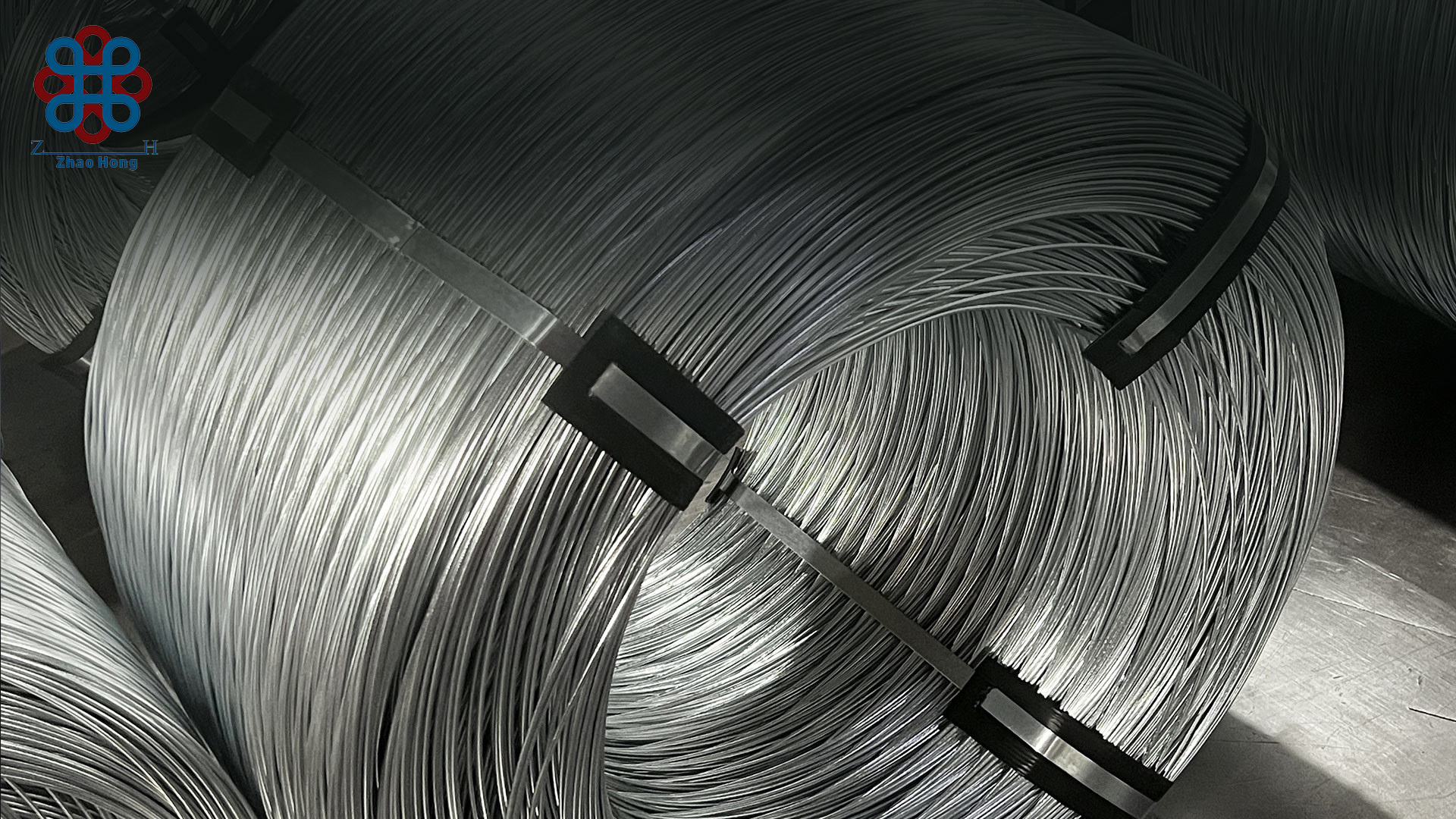
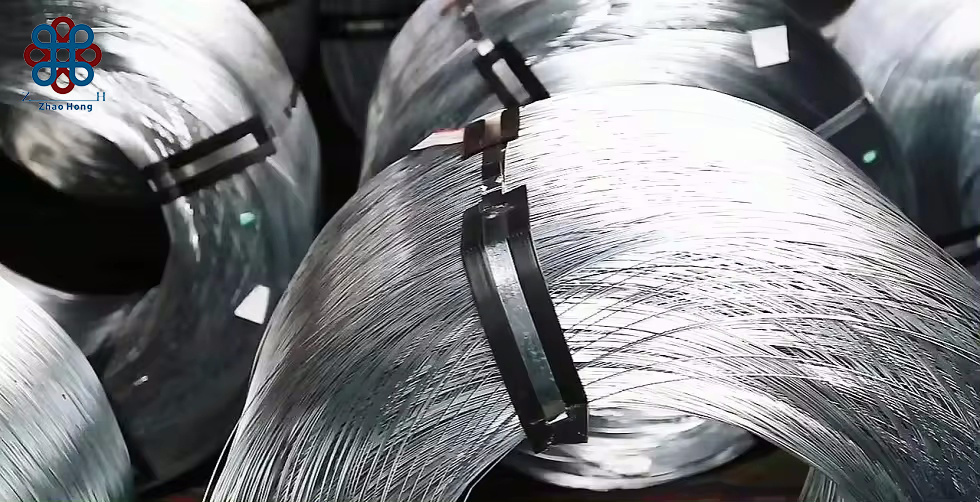
Performance Comparison (Equal Zinc Coating 280g/㎡)
- Without passivation & sealing: White rust occurs within 72h salt spray, service life 2–3 years outdoors.
- With passivation + sealing: White rust appears after 144h salt spray, outdoor service life reaches 5–6 years.
Common Purchasing Misunderstandings
- Thick zinc coating can replace passivation and sealing. Suppliers may cut cost by canceling post-treatment. Zinc will be rapidly consumed by white rust in outdoor environment.
- Passivation alone is sufficient, sealing is unnecessary. Sealing is essential for coastal areas, roads with deicing salt and photovoltaic projects under extreme temperature difference.
Selection Guide
Temporary indoor application: Simple passivation is acceptable. Outdoor fence, wire mesh: At least passivation treatment. Coastal, photovoltaic, highway engineering: Hot-dip galvanized wire with complete passivation + sealing.
Conclusion
Zinc coating serves as sacrificial protection, while passivation & sealing act as barrier protection. To lower long-term comprehensive cost, specify passivation and sealing requirements in purchasing standards instead of only comparing zinc thickness and unit price.

Keywords:
More information
Contact
Phone/WhatsApp:
E-mail:
Address:
Huangtai Industrial Park, Xiaozhan Town,
Jinnan District, Tianjin, 300353, China
Follow us

Inquiry