


Use of Galvanized Binding Wire in Building Projects
Release time:
2026-05-21
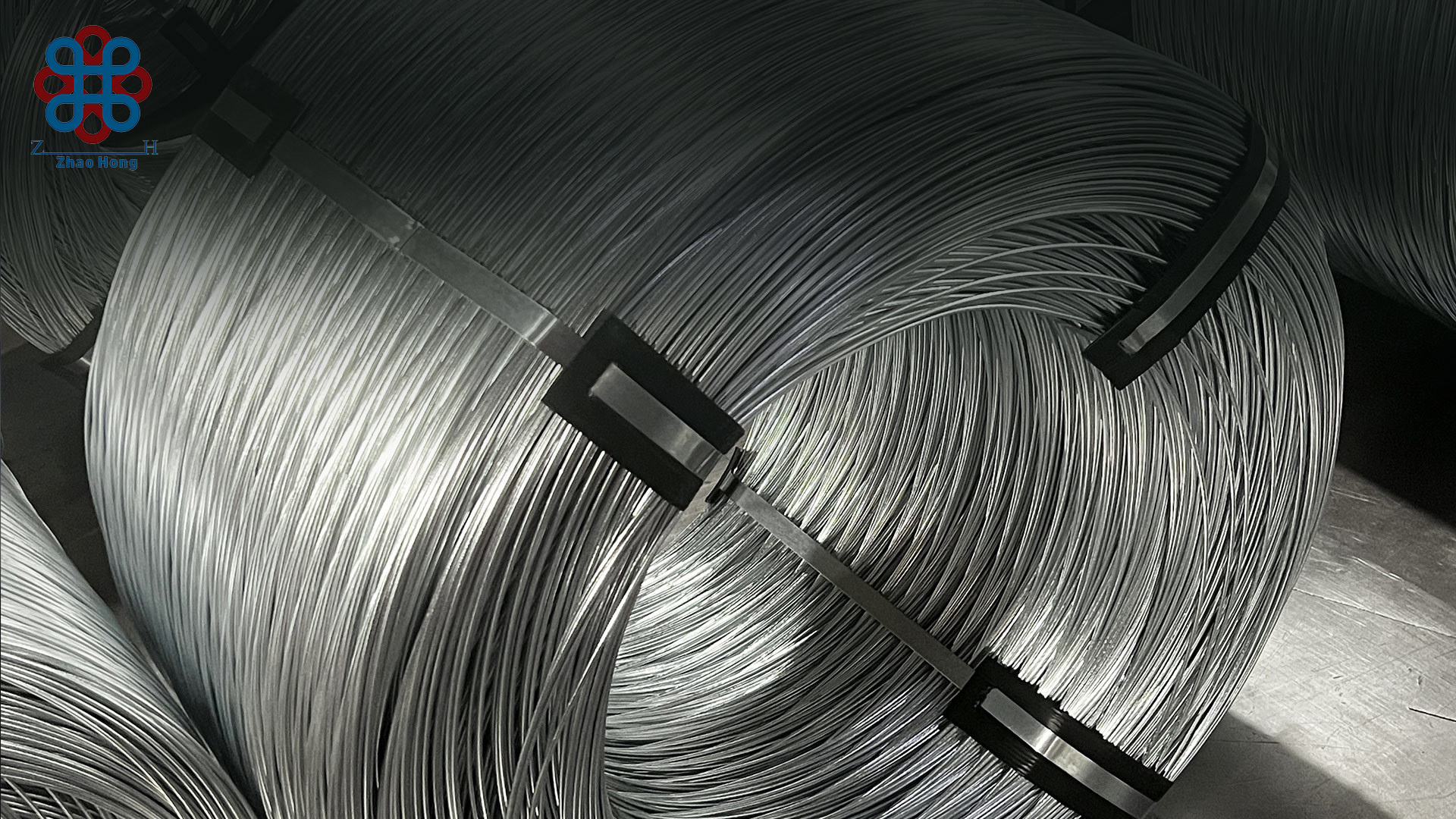
Galvanized binding wire is a versatile and essential material in modern construction. It is a low-carbon steel wire coated with a layer of zinc through a galvanization process, which provides excellent corrosion resistance.
Use of Galvanized Binding Wire in Building Projects
Galvanized binding wire is a versatile and essential material in modern construction. It is a low-carbon steel wire coated with a layer of zinc through a galvanization process, which provides excellent corrosion resistance. In building projects, it is primarily used for tying and securing reinforcement bars (rebar) in concrete structures, but its applications extend to many other areas.
Key Properties
Corrosion resistance: The zinc coating protects the steel core from rust and moisture, especially important in humid or coastal environments.
High tensile strength: It can withstand significant pulling and twisting forces without breaking.
Ductility: Soft and malleable enough to be easily twisted by hand or with a tying tool.
Cost-effectiveness: Relatively inexpensive compared to stainless steel or plastic-coated alternatives.
Primary Application: Tying Rebar
The most common use of galvanized binding wire is in reinforced concrete construction. Before concrete is poured, steel rebars are arranged into a grid or cage to create a reinforcement framework. The binding wire is tightly twisted around the intersections of rebars to hold them firmly in place. This ensures that:
The rebars do not move during the concrete pour.
The designed spacing and coverage are maintained.
The structural integrity of the finished concrete element (slab, beam, column, or foundation) is achieved.
Galvanized wire is preferred over black annealed (uncoated) wire when there is a risk of prolonged exposure to moisture before the concrete sets, or in projects where long-term durability is critical.
Other Building Applications
Beyond rebar tying, galvanized binding wire is used for:
Temporary bracing and scaffolding: Securing scaffold fittings, lashing temporary supports, or tying protective nets.
Formwork fixing: Holding wooden or steel formwork panels together before concreting.
Pipe and conduit support: Suspending electrical conduits or plumbing pipes from ceiling reinforcements.
Fencing and perimeter security: Creating mesh fences, garden enclosures, or construction site barriers.
Securing insulation or vapor barriers: Wrapping and fixing insulation layers around ducts or structural elements.
General bundling: Organizing construction materials on site, such as grouping reinforcing bars or tying lumber bundles.
Advantages Over Non-Galvanized Wire
| Feature | Galvanized Binding Wire | Black (Annealed) Wire |
|---|---|---|
| Rust resistance | High | Low (rusts quickly) |
| Suitability for exposed work | Excellent | Poor – stains concrete if rusted |
| Lifespan in embedded use | Longer | Shorter |
| Cost | Slightly higher | Lower |
| Appearance | Silver/gray | Dark/black |
For external structures, marine construction, or any project where the wire may remain visible or exposed, galvanized binding wire is clearly superior.
Selection Tips for Builders
Gauge (diameter): Common sizes are 18–22 gauge (1.2 mm to 0.7 mm). Thicker wire (18–20 gauge) is used for heavy rebar or demanding ties, while thinner wire (21–22 gauge) is for light tying.
Galvanization type: Electro-galvanized (cold) has a thin, smooth coating – suitable for indoor or short-term exposure. Hot-dip galvanized has a thicker, rougher coating – recommended for outdoor, marine, or high-humidity projects.
Tensile strength: Ensure the wire meets local construction standards (e.g., ASTM A641 for the US or BS EN 10218 for Europe).
Packaging: Available as coils, spools, or cut-and-bundled wire loops for easy handling by rebar tiers.
Conclusion
Galvanized binding wire is a small but critical component in building projects. Its corrosion resistance, strength, and ease of use make it a reliable choice for rebar tying, formwork, temporary fastening, and many on-site tasks. For builders looking to ensure long-lasting, rust-free reinforcement and efficient construction processes, selecting the right type and gauge of galvanized binding wire is a simple yet valuable decision.

Keywords:
More information


Contact
Phone/WhatsApp:
E-mail:
Address:
Huangtai Industrial Park, Xiaozhan Town,
Jinnan District, Tianjin, 300353, China
Follow us

Inquiry