


What are the common quality issues with the zinc layer of hot-dip galvanized wire?
Release time:
2024-05-30
Common quality problems of the zinc layer of hot-dip galvanized wire include:
Common quality problems of the zinc layer of hot-dip galvanized wire include:
- Uneven zinc layer thickness, with some areas being too thin or too thick.
- Missed plating, where there are local areas on the wire surface without zinc coating, which is prone to rust.
- Rough zinc layer surface.
- Poor adhesion of the zinc layer, which is easy to peel off.
- Bubbling of the zinc layer.
- Cracking of the zinc layer.
- Abnormal color of the zinc layer, deviating from the normal galvanized color.
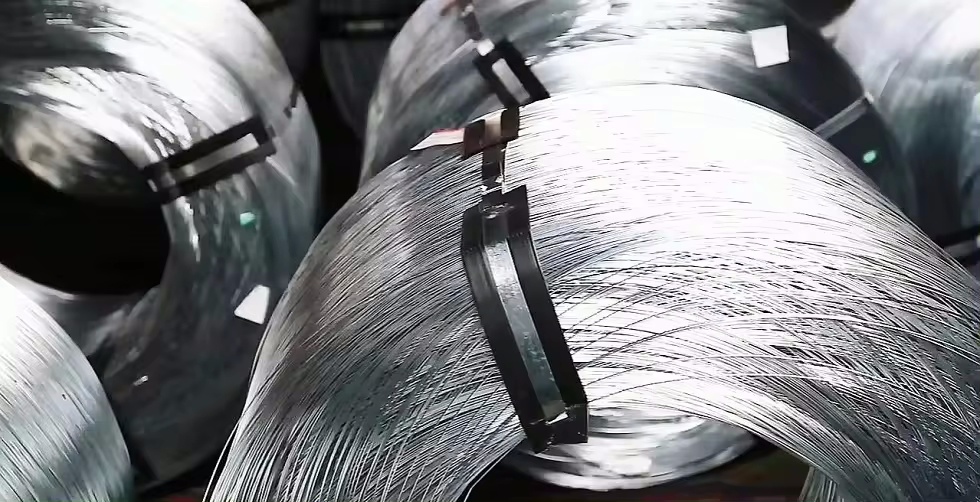
The main factors affecting the quality of galvanized zinc for hot-dip galvanized wire include:
Process parameters: Such as improper galvanizing temperature and time.
Surface condition of the wire: If there is dirt, oil, or rust on the surface before galvanizing, it will affect the adhesion of the zinc layer.
Quality of the zinc bath: Including the purity and composition of the zinc in the bath.
Cooling conditions: Improper cooling rate may lead to defects in the zinc layer.
Operator's skills and compliance: Incorrect operation methods or failure to follow procedures strictly.
Environmental conditions: Ambient temperature and humidity can also have an impact on the galvanizing process.
Additional Resources
-
Analysis of common problems of high zinc layer
-
Most Common Appearance Concerns on HDG Steel
-
Hot-Dip Galvanizing Pitfalls to Consider in Your Design
-
Performance of Hot-Dip Galvanized Steel Products
More information


Contact
Phone/WhatsApp:
E-mail:
Address:
Huangtai Industrial Park, Xiaozhan Town,
Jinnan District, Tianjin, 300353, China
Follow us

Inquiry