


Key Factors that Influence the Tensile Strength of Galvanized Wire
Release time:
2024-05-29
Several factors can affect the tensile strength of galvanized wire:
Several factors can affect the tensile strength of galvanized wire:
- Material composition: The quality and properties of the base metal used can impact tensile strength.
- Galvanizing process: Improper galvanizing may have some effect on the wire's microstructure and thus its strength.
- Wire diameter: Thicker wires generally have higher tensile strength.
- Manufacturing quality: Any flaws or inconsistencies during manufacturing can weaken the wire.
- Environmental conditions: Exposure to harsh environments over time may gradually affect the tensile strength.
- Loading conditions: How the wire is loaded and the type and magnitude of forces applied.
For example, if the base metal has impurities or is of inferior quality, it can result in lower tensile strength. A poorly controlled galvanizing process might cause microscopic changes that reduce the wire's inherent strength. And if the wire is constantly subjected to cyclic loading or extreme temperatures in its operating environment, it could experience degradation in tensile strength over time. Understanding these factors is important in ensuring the galvanized wire meets the required tensile strength for its intended applications.
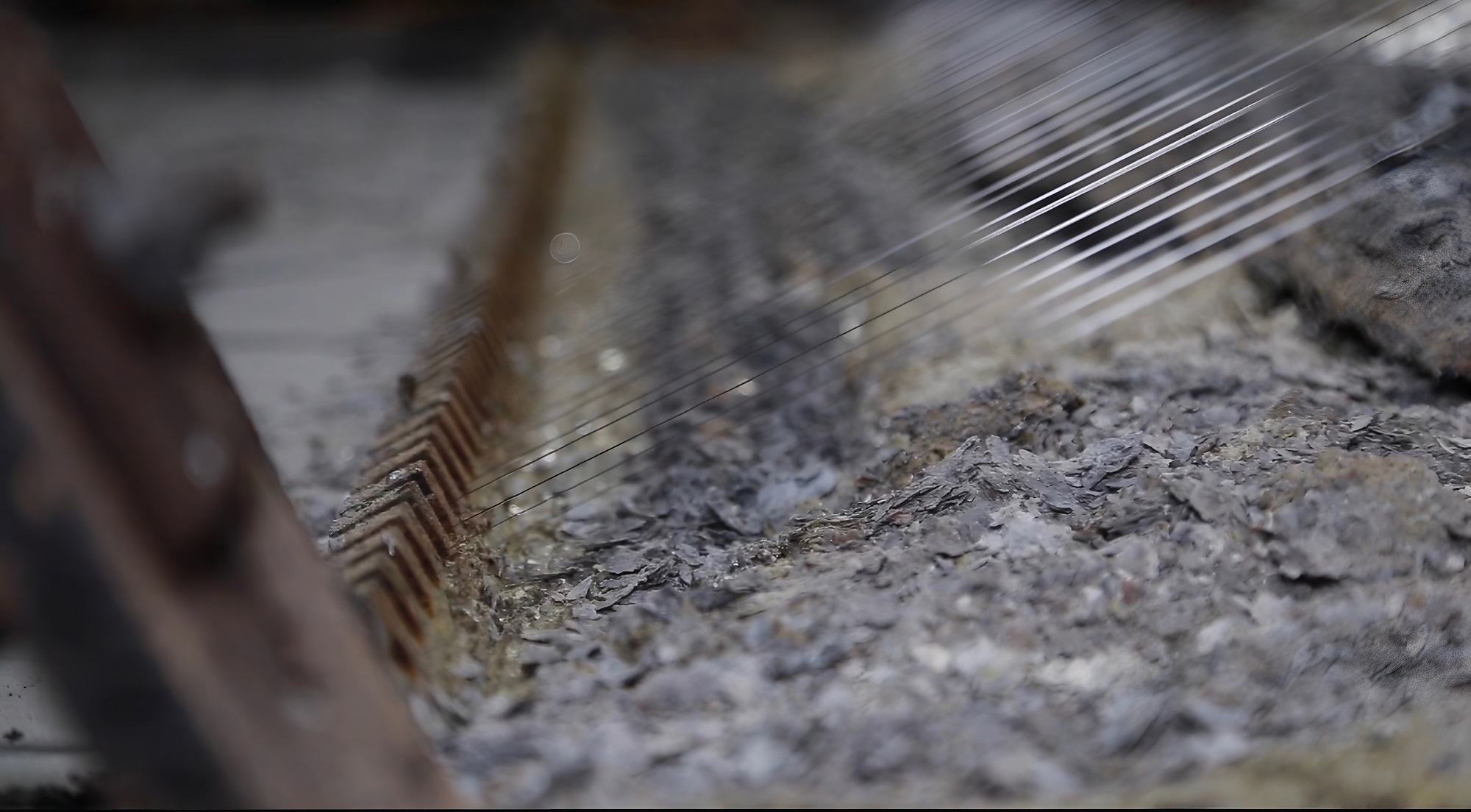
Here are some ways to potentially improve the tensile strength of galvanized wire:
- Select high-quality raw materials: Use superior base metals with good mechanical properties.
- Optimize the galvanizing process: Ensure proper control to minimize any negative impacts on the wire's structure.
- Implement quality control measures: Regularly test and monitor the wire during production to catch any issues early.
- Proper heat treatment: If applicable, use appropriate heat treatment techniques to enhance the wire's strength.
- Maintain consistent manufacturing processes: Ensure uniformity and precision in every step of production.
For instance, sourcing raw materials from reliable suppliers known for providing high-quality metals can be a starting point. Fine-tuning the galvanizing parameters to avoid excessive alteration of the wire's microstructure can help. By closely monitoring the manufacturing process and addressing any deviations promptly, the quality and tensile strength can be maintained. Additionally, in some cases, specific heat treatment methods can be employed to further strengthen the wire. These measures, when implemented effectively, can contribute to an improvement in the tensile strength of galvanized wire.
Additional Resources
-
What is tensile strength for baling wire?
-
What Causes Higher Tensile Strength?
-
Four Factors Affecting the Metal Tensile Test
-
Understanding Wire Tensile Strength
More information


Contact
Phone/WhatsApp:
E-mail:
Address:
Huangtai Industrial Park, Xiaozhan Town,
Jinnan District, Tianjin, 300353, China
Follow us

Inquiry