


Key Factors to Keep in Mind When Purchasing Galvanized Wire
Release time:
2024-05-29
When purchasing galvanized wire, the following precautions should be noted:
- Galvanizing quality: Check whether the galvanizing layer is uniform, smooth, and has no obvious defects such as blistering or peeling. A good galvanizing quality can ensure better corrosion resistance.
- Wire diameter and specification: Ensure that the wire diameter and specification meet your requirements to ensure its suitability for the intended use.
- Strength and toughness: Assess the strength and toughness of the wire to ensure it can withstand the expected stress and load.
- Manufacturer reputation: Choose products from reliable manufacturers with good reputations to ensure product quality and after-sales service.
- Certification and standards: Check if the product complies with relevant industry standards and certifications.
- Storage conditions: Understand the storage conditions of the galvanized wire to avoid potential damage due to improper storage.
- Price and cost-effectiveness: Compare prices among different suppliers while also considering the overall quality and performance to ensure good cost-effectiveness.
For example, if you are using the galvanized wire for fencing, you need to ensure that the wire diameter is thick enough to provide sufficient strength and that the galvanizing quality is good to resist corrosion in the outdoor environment. Or when using it in a construction project, the strength and specification of the wire must match the specific requirements of the project.
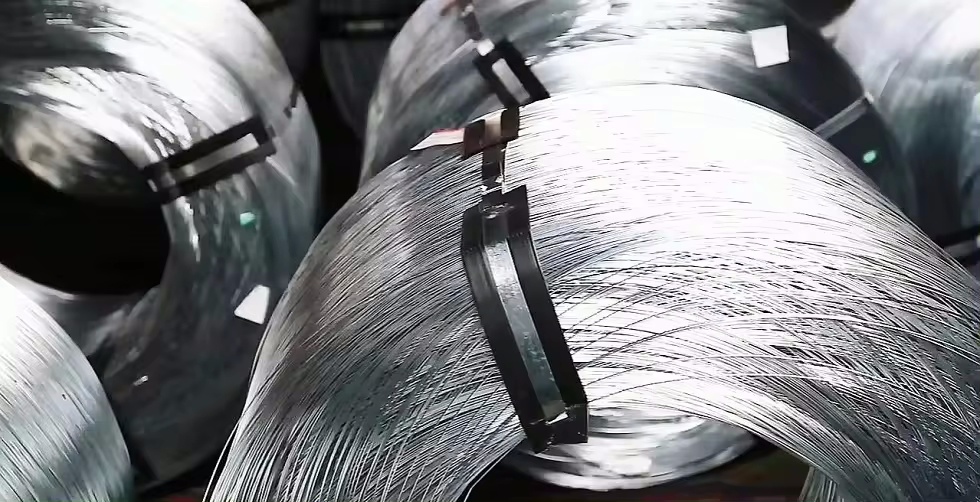
So what are the common galvanizing defects and how to identify them?
Common galvanizing defects include:
- Uneven galvanizing: The galvanizing layer is not uniform in thickness, which can be visually observed as inconsistent color or coverage.
- Blisters: Appear as small凸起 on the surface, which may indicate problems during the galvanizing process.
- Peeling: Parts of the galvanizing layer come off, which is easily noticeable.
- Rough surface: The surface of the galvanizing layer is not smooth.
To identify these defects, you can:
- Use visual inspection: Carefully observe the surface of the galvanized wire under good lighting conditions.
- Check for color consistency: Uneven color may hint at uneven galvanizing.
- Feel the surface: A rough or bumpy surface may indicate problems.
For example, if you see areas on the galvanized wire that are significantly darker or lighter than the surrounding area, it could be a sign of uneven galvanizing. Or if you can feel small bumps or areas where the coating seems to be lifting, it may indicate blisters or peeling.
Additional Resources
-
Defects in Galvanized Steel Coatings
-
Most Common Appearance Concerns on HDG Steel
-
Causes and Defects in Galvanized Coatings
-
Surface Defects and their Control in Hot Dip Galvanized Wire
More information


Contact
Phone/WhatsApp:
E-mail:
Address:
Huangtai Industrial Park, Xiaozhan Town,
Jinnan District, Tianjin, 300353, China
Follow us

Inquiry