


Black annealed wire vs. ordinary black iron wire: What makes them different?
Release time:
2024-05-28
The main differences between black annealed wire and ordinary black iron wire are as follows:
The main differences between black annealed wire and ordinary black iron wire are as follows:
-
Softness and flexibility: It is softer and more flexible, which is more suitable for some applications that require easy bending and shaping.
-
Uniformity: The softness and other properties are more uniform throughout.
-
Residual stress: Has lower residual stress, which means it is less likely to deform or have internal stress issues.
Ordinary black iron wire:
-
Hardness: Generally relatively harder.
-
Flexibility range: The flexibility is relatively limited compared to annealed wire.
-
Application scenarios: May be more suitable for some situations where relatively higher strength and rigidity are needed. For example, in some simple structural support or fencing applications.
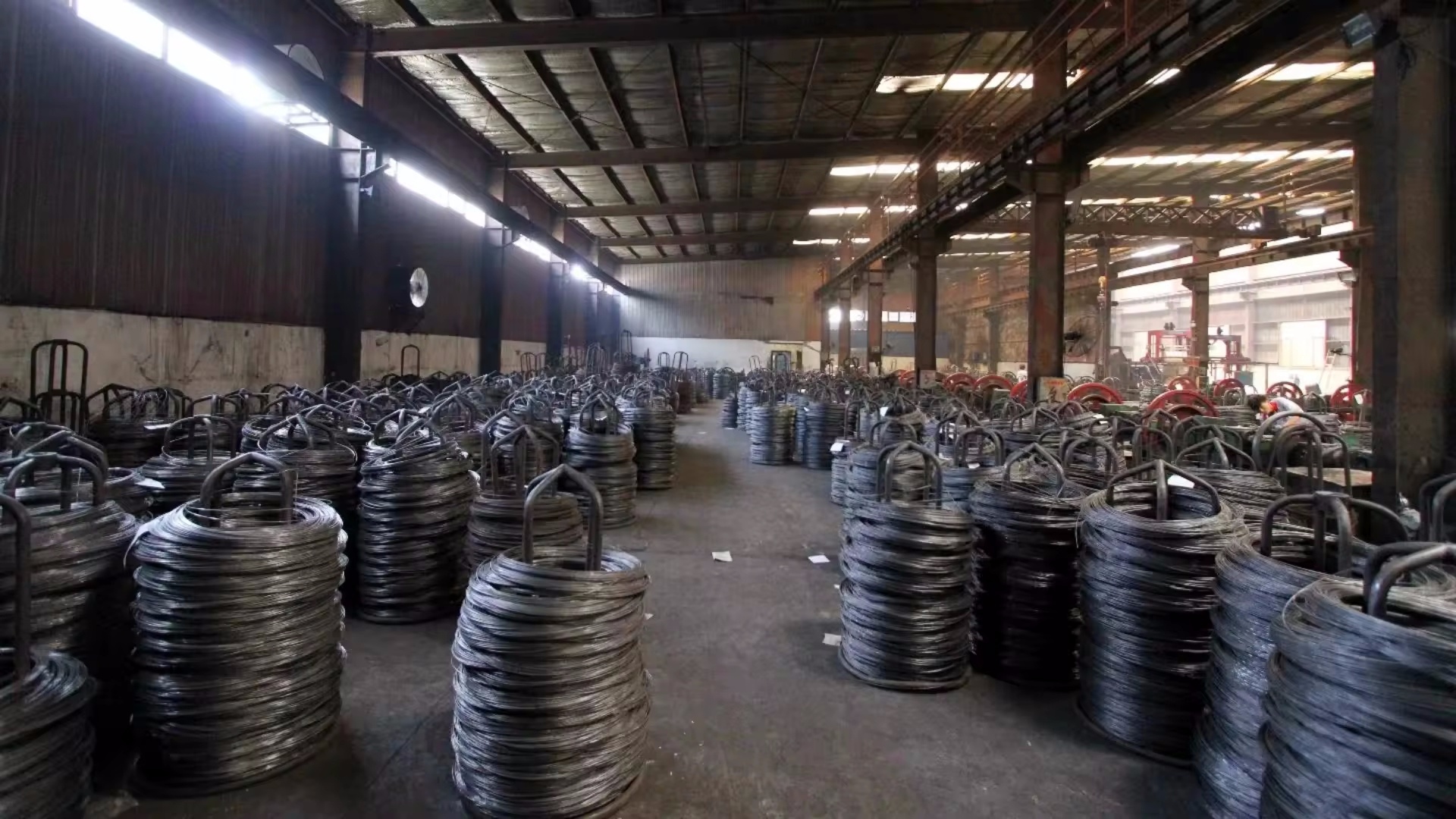
The advantages of black annealed wire include:
-
Good flexibility: It can be bent and shaped easily, suitable for various complex shapes.
-
Uniform quality: The properties are relatively consistent, ensuring stable performance.
-
Easy processing: Facilitates various connection and fixation operations.
-
Residual stress reduction: Reduces the possibility of deformation and cracking in the later use process.
-
Cost-effectiveness: In some cases, it provides a cost-effective solution for wire applications.
-
Versatility: Can be used in a wide range of fields such as construction, handicrafts, and packaging.
Additional Resources
-
Benefits of Black Annealed Wire
-
Advantages and uses of Black Annealed Wire
-
Common specifications and advantages of annealed black wire
-
Q195 Black Annealed Wire
Keywords:
More information


Contact
Phone/WhatsApp:
E-mail:
Address:
Huangtai Industrial Park, Xiaozhan Town,
Jinnan District, Tianjin, 300353, China
Follow us

Inquiry