


Same Hot‑Dip Galvanized Wire: Why Some Peel Zinc While Others Keep Good Toughness
Release time:
2026-08-19
Two batches of hot‑dip galvanized wire with same wire diameter may behave totally different under bending. One peels off zinc powder easily, while another withstands repeated bending without coating damage. Zinc thickness is not the only deciding factor.
Two batches of hot‑dip galvanized wire with same wire diameter may behave totally different under bending. One peels off zinc powder easily, while another withstands repeated bending without coating damage. Zinc thickness is not the only deciding factor.
Main root causes
1. Annealing difference Constant‑temperature annealing fully releases internal stress inside steel rod. The steel substrate is ductile; zinc coating deforms together with steel during bending. Poor simple annealing leaves residual stress. Steel is brittle. Zinc‑iron alloy layer cracks and peels once bent, even zinc thickness reading meets standard.
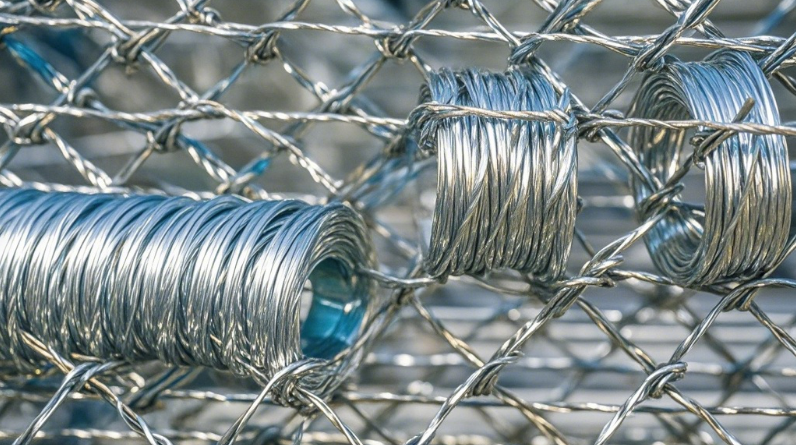
2. Base rod material & Saint‑Martin effect Recycled steel rod with high impurities forms excessively thick brittle zinc‑iron alloy layer during galvanizing. Test instrument shows qualified zinc thickness, yet coating crumbles under mechanical bending. Prime original rod keeps alloy layer within reasonable range for both corrosion resistance and toughness.
3. Hot‑dip process control Over‑high temperature or too long dipping time creates thick brittle alloy layer. Improper cooling and spooling tension will bring invisible micro‑cracks on zinc surface, which expand when bent.
Quick on‑site inspection tip
Bend wire 90° for 3‑5 cycles. No flaking, no zinc powder shedding indicates good adhesion. Zinc thickness reading cannot represent bending performance. For wire mesh production, toughness matters as much as anti‑corrosion performance.

Keywords:
More information


Contact
Phone/WhatsApp:
E-mail:
Address:
Huangtai Industrial Park, Xiaozhan Town,
Jinnan District, Tianjin, 300353, China
Follow us

Inquiry