


Why Recycled‑Material Galvanized Wire Sheds Zinc Powder On Light Contact
Release time:
2026-08-12
any low‑cost galvanized wires are produced from recycled steel rods. Recycled steel has unstable chemical composition with fluctuating silicon and phosphorus content, which easily triggers the Sandelin Effect.
any low‑cost galvanized wires are produced from recycled steel rods. Recycled steel has unstable chemical composition with fluctuating silicon and phosphorus content, which easily triggers the Sandelin Effect. The final coating becomes brittle and porous; zinc powder or chips flake off under simple rubbing, bending or weaving, even though the measured coating thickness appears highACS Public....
What is Sandelin Effect
During hot‑dip galvanizing, silicon in steel accelerates iron‑zinc diffusion reaction. When silicon content falls within the critical range of 0.03%‑0.15%, brittle zeta phase (FeZn₁₃) grows excessively and disorderly. The alloy layer becomes coarse and porous, with little ductile pure‑zinc outer layer. The thick‑looking coating is intrinsically fragile and will crumble under minor mechanical stress.
Primary steel rods have stable, well‑controlled silicon levels. Recycled scrap‑steel rods contain mixed impurities. Silicon‑phosphorus content frequently falls into the Sandelin risk zone, bringing inherent poor coating adhesion.
Typical Defects of Recycled‑material Galvanized Wire
- Appearance: Dull rough surface, zinc nodules, uneven color within one batch.
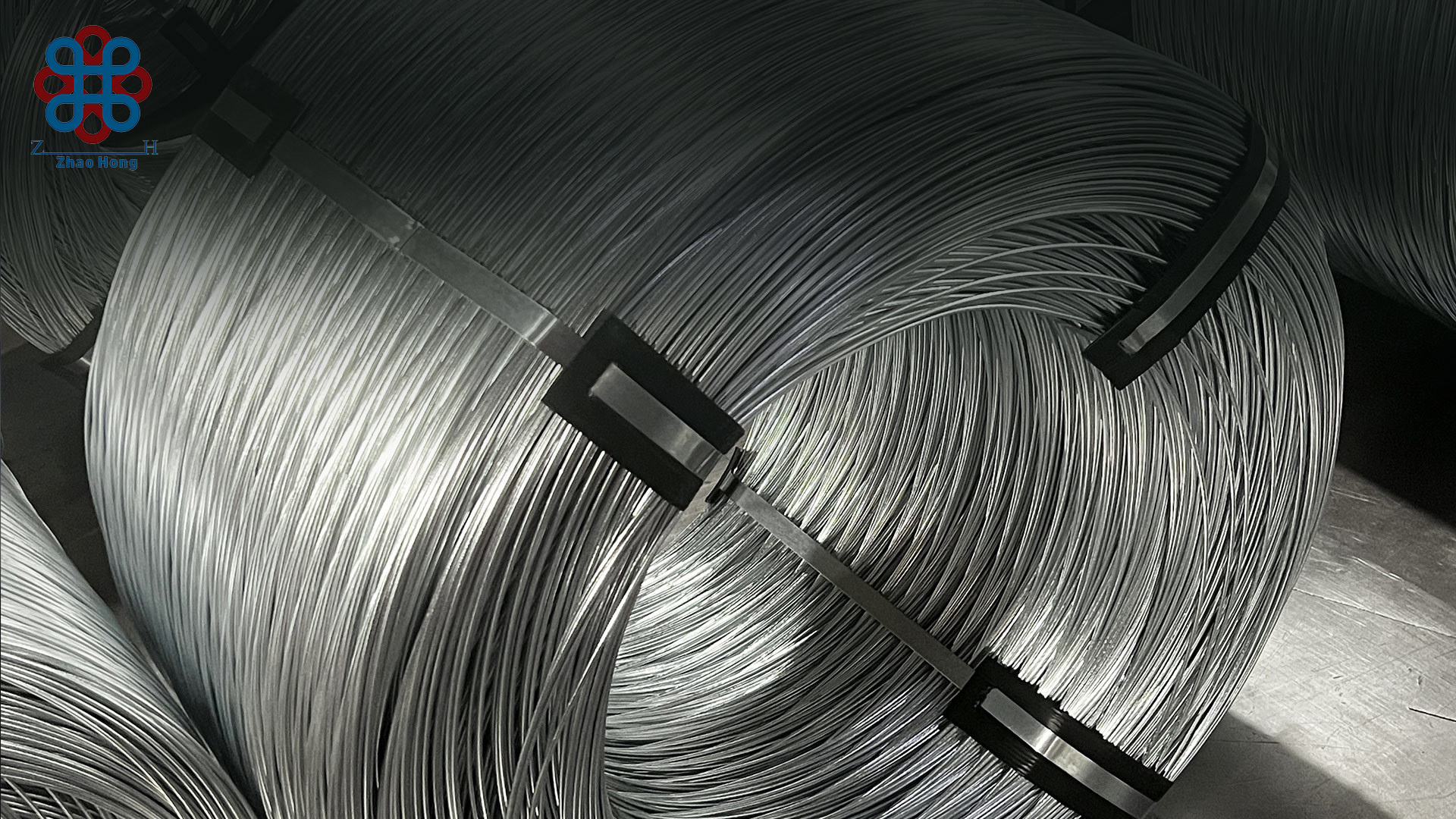
- Performance: Grey zinc powder rubs off easily by hand. Bending causes peeling and chipping. Coating flakes away during weaving or binding work.
- Field risk: Once coating falls off, steel substrate is exposed. For PV mounting, aquaculture net and outdoor projects, red‑rust and wire breakage occur quickly. Coating‑thickness reading does NOT guarantee service life if adhesion fails.
Important reminder: Magnetic thickness gauge only measures thickness, cannot detect brittleness of alloy layer. Good thickness reading does not mean qualified product.
Simple On‑site Inspection
- Rub wire surface firmly with dry cloth. Heavy grey zinc powder on cloth indicates possible Sandelin‑effect defect.
- Repeatedly bend wire to 180° for 3‑5 cycles. Reject if coating chips or powders off.
- Prefer virgin steel rods over recycled scrap‑steel raw material. Ask mill for material composition certificate to avoid risky silicon‑equivalent range.
- Adding trace nickel & aluminium in zinc bath can mitigate Sandelin effect, yet cannot fully fix heavily‑impure recycled steel substrate. Bad base material cannot be rescued merely by zinc‑bath adjustment.
Engineering Note
Recycled‑material wire with Sandelin‑effect brittleness shall not be adopted for PV binding wire, marine aquaculture cages or automatic weaving production. Low purchase price leads to high production waste and expensive later‑stage re‑work. Base‑rod chemical composition matters more than coating‑thickness reading alone.

Keywords:
More information


Contact
Phone/WhatsApp:
E-mail:
Address:
Huangtai Industrial Park, Xiaozhan Town,
Jinnan District, Tianjin, 300353, China
Follow us

Inquiry