


How Important Is The Annealing Process? It Fully Determines The Hardness & Toughness Of Galvanized Wire
Release time:
2026-07-08
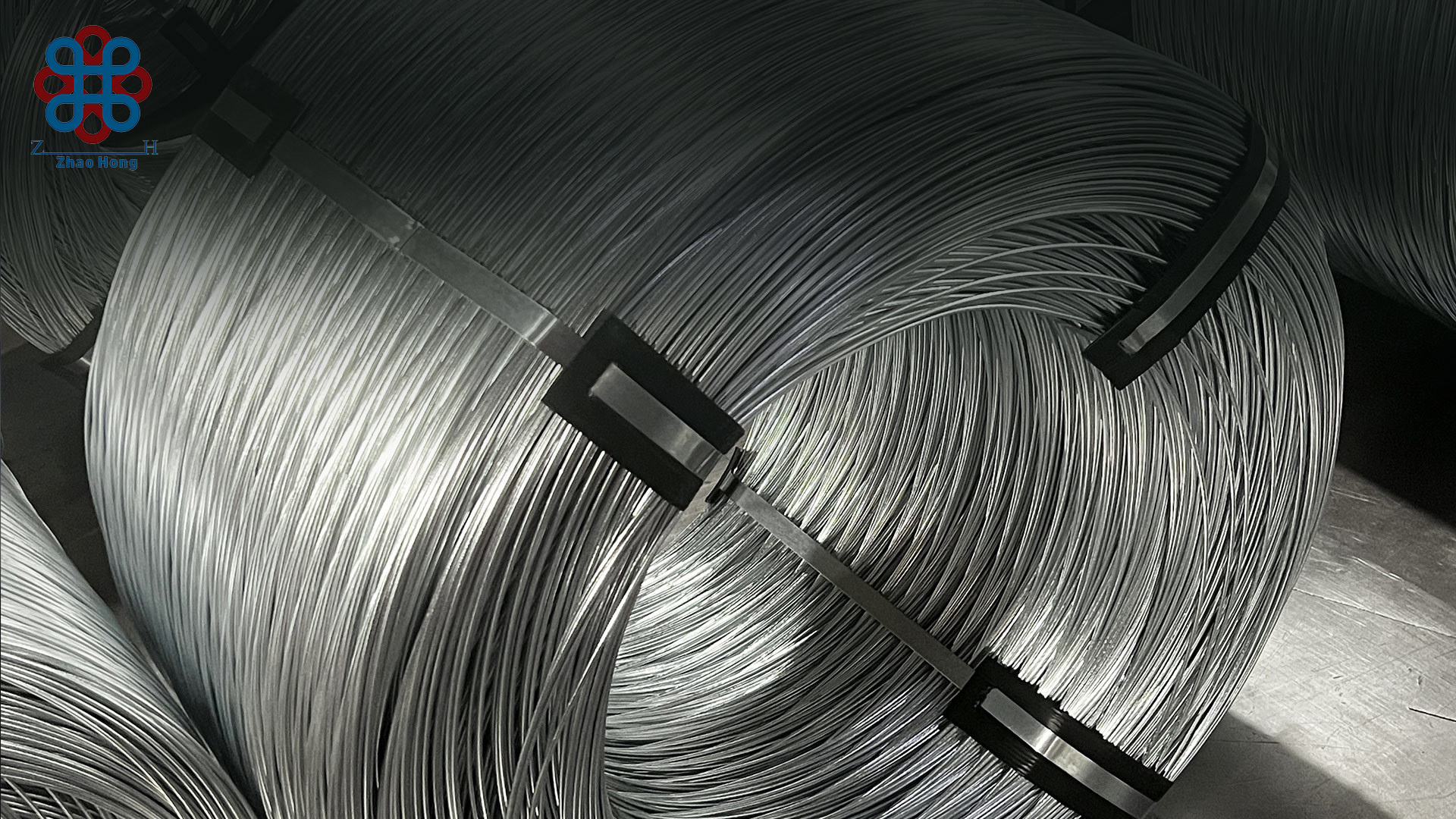
Galvanized wire with identical diameter and zinc coating differs drastically in usability: some rigid wire snaps after slight bending, while flexible wire can be twisted freely for shaping.
Galvanized wire with identical diameter and zinc coating differs drastically in usability: some rigid wire snaps after slight bending, while flexible wire can be twisted freely for shaping. Most buyers only focus on anti-rust zinc coating and ignore annealing. In fact, wire toughness, hardness, breakage rate and construction experience all rely entirely on annealing, an invisible core indicator for gardening shaping, mesh weaving and construction binding.
1. Basic Concept Of Wire Annealing
After wire drawing, steel is stretched violently, internal metal grains are extruded with massive residual stress, making wire hard and brittle, easy to crack when bent. Annealing means heating wire in constant-temperature furnace with precise heat preservation and slow cooling to restructure internal grains and release drawing stress:
- High temperature softens grains and eliminates internal tension;
- Uniform cooling locks balanced toughness and adjustable hardness range;
- Galvanizing is conducted after annealing, delivering wire with uniform flexibility, crack resistance and low rebound. Wire without annealing remains rigid tensile wire, only fit for simple tension fixing, unsuitable for binding and shaping.
2. Four Key Performance Factors Controlled By Annealing
(1) Hardness & Flexibility Affect Construction Efficiency
- Under-annealed wire (insufficient temperature & short holding time): Too stiff to twist, causes hand fatigue and tree bark scratches, rebounds heavily and loses fixed shape easily.
- Over-annealed wire (overheated & long holding time): Excessively soft with weak supporting force, deforms and collapses under wind load for trellis and sapling fixation.
- Standard low-temperature constant annealing: Balanced hardness and flexibility, easy manual winding with stable shaping without rebound, combining shaping performance and supporting strength.
(2) Breakage Rate Decides Material Waste
Frequent wire breakage triggers machine halt, material waste and lower output in automatic mesh looms. Rigid unannealed wire snaps easily under machine tension, leading to repeated downtime and high scrap rate. Fully annealed wire resists breakage during repeated pulling and twisting, supporting continuous automatic production and cutting waste loss by over 60%. For mass steel bar binding and garden shaping, less broken wire means fewer replacements and saved labor hours.
(3) Coating Integrity After Bending Reduces Zinc Peeling & Rust
Huge residual stress in rigid wire creates severe deformation during bending, cracking and peeling zinc coating, exposing bare steel core to rapid corrosion. Annealed flexible wire deforms gently without damaging zinc film, lowering risks of zinc shedding and rust.
(4) Uniform Hardness Throughout The Whole Coil
Low-standard simple furnaces heat unevenly, creating half rigid, half soft wire in one roll, causing chaotic construction experience. Standard sealed constant-temperature annealing furnace maintains stable heat during whole wire passing, delivering consistent flexibility from start to end of coil.
3. Three Scenarios Where Annealing Is Indispensable
- Bonsai & courtyard landscape wire: Repeated winding around branches without bark damage and long-lasting shaping, requiring qualified annealed flexible wire.
- Automatic mesh & aquaculture net weaving: High-speed machine twisting demands strong toughness; under-annealed wire causes frequent machine jamming and higher production cost.
- Construction steel bar binding: Mass manual twisting reduces labor fatigue and speeds up construction progress with moderately annealed wire.
4. Simple Field Test To Judge Annealing Quality
- Repeated bending test: Fold 30cm wire tightly and unfold for 5 times without breakage or cracks = qualified annealing; wire snaps after 2–3 folds means insufficient annealing.
- Rebound test: Wire stays wrapped around branches without spring back after release = standard annealing; instant rebound indicates incomplete heat treatment.
- Hand feel comparison: Same-diameter wire with soft smooth touch and easy twisting is premium annealed product; stiff wire with high twisting resistance skips complete annealing procedure.
5. Purchasing Pitfall: Ignoring Annealing Leads To Higher Total Cost
Many suppliers cut production cost by shortening annealing time and lowering furnace temperature, selling low-price wire with qualified zinc coating and 72h salt spray performance. Buyers save initial procurement cost but face heavy breakage waste, rework and extra labor, resulting in higher overall expenditure. For long-term outdoor shaping and automatic deep processing, confirm complete low-temperature constant annealing before ordering, avoid semi-finished rigid wire with simplified heat treatment.
Conclusion
Zinc coating determines rust resistance, while annealing decides practical usability. Annealing restructures internal steel grains, releases drawing stress and precisely adjusts wire hardness and toughness, directly influencing labor efficiency, scrap loss, coating adhesion and shaping effect. Unannealed rigid wire only fits temporary simple tension fixing. For garden shaping, mesh weaving and mass construction binding requiring bending and twisting, complete constant-temperature annealing is an irreplaceable core process, dividing low-grade bulk wire and high-quality processing-specific galvanized wire.

Keywords:
More information


Contact
Phone/WhatsApp:
E-mail:
Address:
Huangtai Industrial Park, Xiaozhan Town,
Jinnan District, Tianjin, 300353, China
Follow us

Inquiry