


In Which Environments Ordinary Galvanized Wire Cannot Be Used At All?
Release time:
2026-06-24
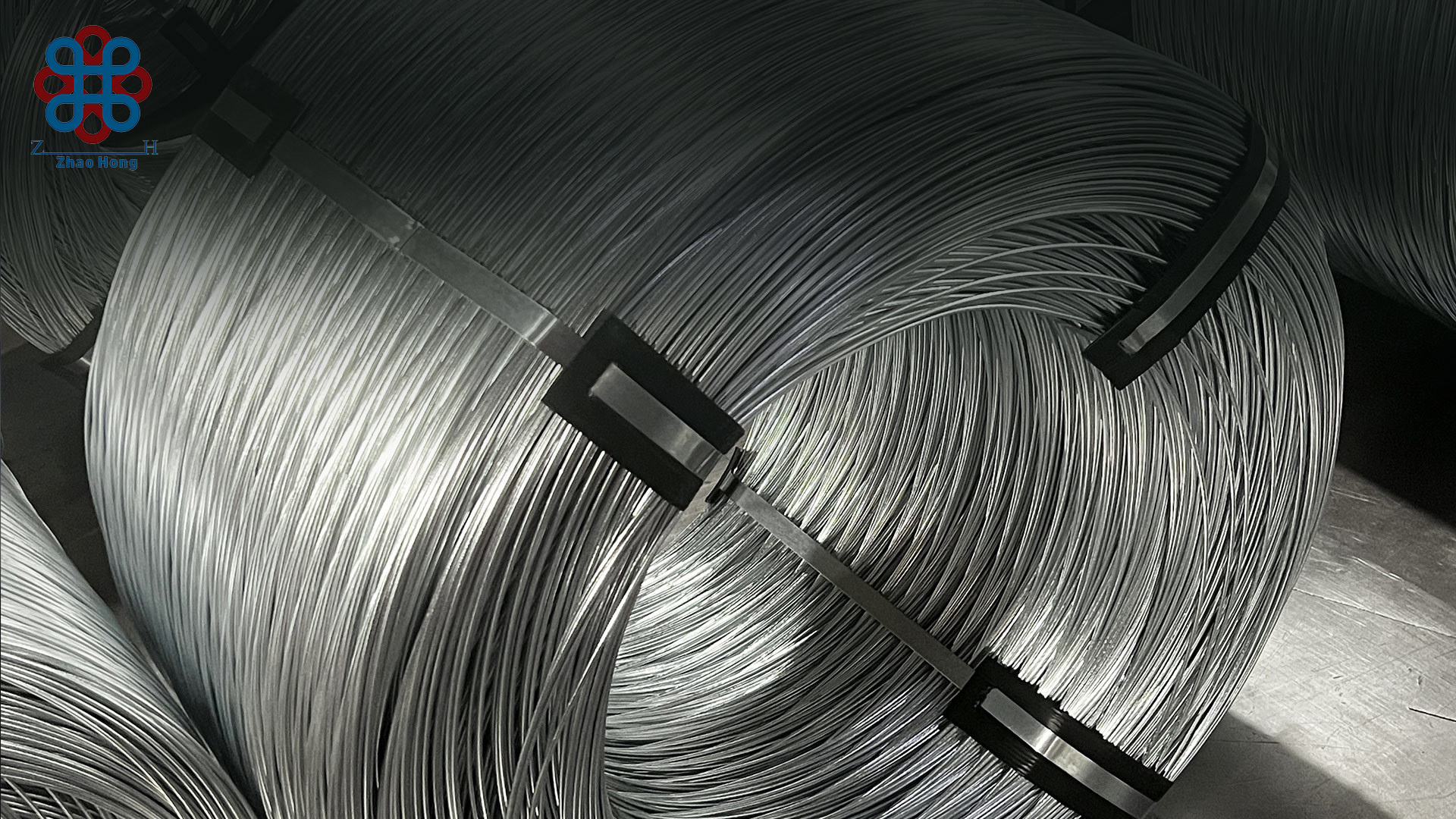
Ordinary thin-coating galvanized wire is only suitable for short-term temporary indoor dry construction. When exposed to highly corrosive, salty, humid environments or extreme temperature changes, it will suffer severe zinc peeling and rust within months to two years, leading to wire breakage and structural failure. Below are six types of environments where ordinary galvanized wire is completely unqualified, requiring 300-350g/㎡ high-zinc galvanized wire instead.
Ordinary thin-coating galvanized wire is only suitable for short-term temporary indoor dry construction. When exposed to highly corrosive, salty, humid environments or extreme temperature changes, it will suffer severe zinc peeling and rust within months to two years, leading to wire breakage and structural failure. Below are six types of environments where ordinary galvanized wire is completely unqualified, requiring 300-350g/㎡ high-zinc galvanized wire instead.
1. Coastal, Port & Island Areas With Heavy Salt Fog
Coastal air is full of chloride ions that continuously corrode zinc coating. Ordinary wire with 40-200g/㎡ thin coating contains invisible pinholes, allowing salt mist to erode the steel core rapidly. Applicable works: coastal guardrails, port safety nets, marine aquaculture cages, island photovoltaic binding wire Failure phenomenon: White rust appears within half a year, massive red rust and brittle wire breakage within one year. Conclusion: Ordinary galvanized wire is totally forbidden; only 72-hour salt spray certified high-zinc wire works.
2. Aquaculture & Livestock Farms With High Ammonia & Humidity
Farms maintain high humidity all year round. Decomposed manure releases ammonia and sulfide, causing dual corrosion to thin zinc coating, which will turn into powder and peel off quickly. Applicable works: fish/shrimp cages, livestock fences, poultry coops, shed fixing wire Failure phenomenon: Zinc coating pulverizes, steel wire thins and breaks easily, causing livestock escape risks.
3. Chemical Plants & Acid Washing Workshops With Acid/Alkali Vapor
Volatile acid and alkali substances dissolve thin zinc coating rapidly after mixing with rainwater. Ordinary wire loses anti-rust protection in a short period. Applicable works: factory isolation nets, equipment binding wire, warehouse fences Failure phenomenon: Zinc layer dissolves completely, steel core rusts through in several months.
4. Rainy, High-humidity Southern Mountain & Rainforest Zones
Annual heavy rainfall and constant humidity over 80% keep wire covered with condensed water, accelerating penetration into ordinary thin coating. Applicable works: garden supports, mountain slope protection nets, long-term outdoor construction enclosures Failure phenomenon: Repeated annual rusting, requiring full replacement every year with high comprehensive costs.
5. Northern Highway Areas Using De-icing Salt In Winter
Industrial de-icing salt splashes onto road facilities in cold winter. Chloride ions have strong penetration power and destroy ordinary galvanized coating within one winter. Applicable works: highway safety nets, guardrail binding wire, slope fixing wire.
6. Open-air Areas With Extreme Temperature Difference (High Heat & Cold Nights)
Deserts, rooftop photovoltaic projects and outdoor equipment face scorching heat by day and sharp cooling at night. Repeated thermal expansion and contraction crack weak electroplated zinc coating, exposing bare steel. Applicable works: photovoltaic binding, outdoor equipment fixing, desert windbreak nets Failure phenomenon: Coating cracks and peels off in sheets, steel wire corrodes rapidly.
Extra: Scenarios With Frequent Bending & Friction
For wire mesh weaving and repeated binding, constant twisting wears ordinary zinc coating off easily even indoors. High-zinc wire with alloy bonding layer is mandatory.
Conclusion
Ordinary galvanized wire fails to serve long-term use in any environment with salt fog, ammonia sulfide, acid/alkali vapor, persistent high humidity, de-icing salt or extreme temperature fluctuation. Temporary low-cost usage brings hidden costs including frequent replacement, construction shutdown and safety rectification. For coastal, breeding, chemical, highway and photovoltaic long-term projects, 300-350g/㎡ high-zinc galvanized wire is the reliable choice with 8–10 years of stable service life.

Keywords:
More information


Contact
Phone/WhatsApp:
E-mail:
Address:
Huangtai Industrial Park, Xiaozhan Town,
Jinnan District, Tianjin, 300353, China
Follow us

Inquiry