


The Effect of Zinc Layer Thickness on the Properties of High Zinc Galvanized Wire?
Release time:
2024-12-17
Corrosion Resistance Thicker Zinc Layer A thicker zinc layer provides better protection against corrosion. It acts as a physical barrier that prevents oxygen and moisture from reaching the iron wire beneath. For example, in a marine environment or an area with heavy industrial pollution, a thicker zinc layer
- Corrosion Resistance
- Thicker Zinc Layer
- A thicker zinc layer provides better protection against corrosion. It acts as a physical barrier that prevents oxygen and moisture from reaching the iron wire beneath. For example, in a marine environment or an area with heavy industrial pollution, a thicker zinc layer (e.g., with an average thickness of over 80 micrometers) can better resist the attack of salt spray and acidic gases, significantly prolonging the service life of the wire.
- The zinc layer also offers electrochemical protection. Zinc is more chemically active than iron. When the zinc - coated wire is exposed to an electrolyte solution (such as rainwater containing salts), zinc will oxidize first and corrode, thereby protecting the iron wire substrate. A thicker zinc layer means more "sacrificial" material to protect the wire, allowing the wire to remain uncorroded for a longer period.
- Thinner Zinc Layer
- If the zinc layer is too thin (e.g., less than 20 micrometers), it may be quickly penetrated by corrosion in a harsh environment. Once the iron wire substrate is exposed to the corrosive medium, due to the porous structure of rust, the corrosion process of the wire will accelerate, greatly reducing the service life of the wire.
- Thicker Zinc Layer
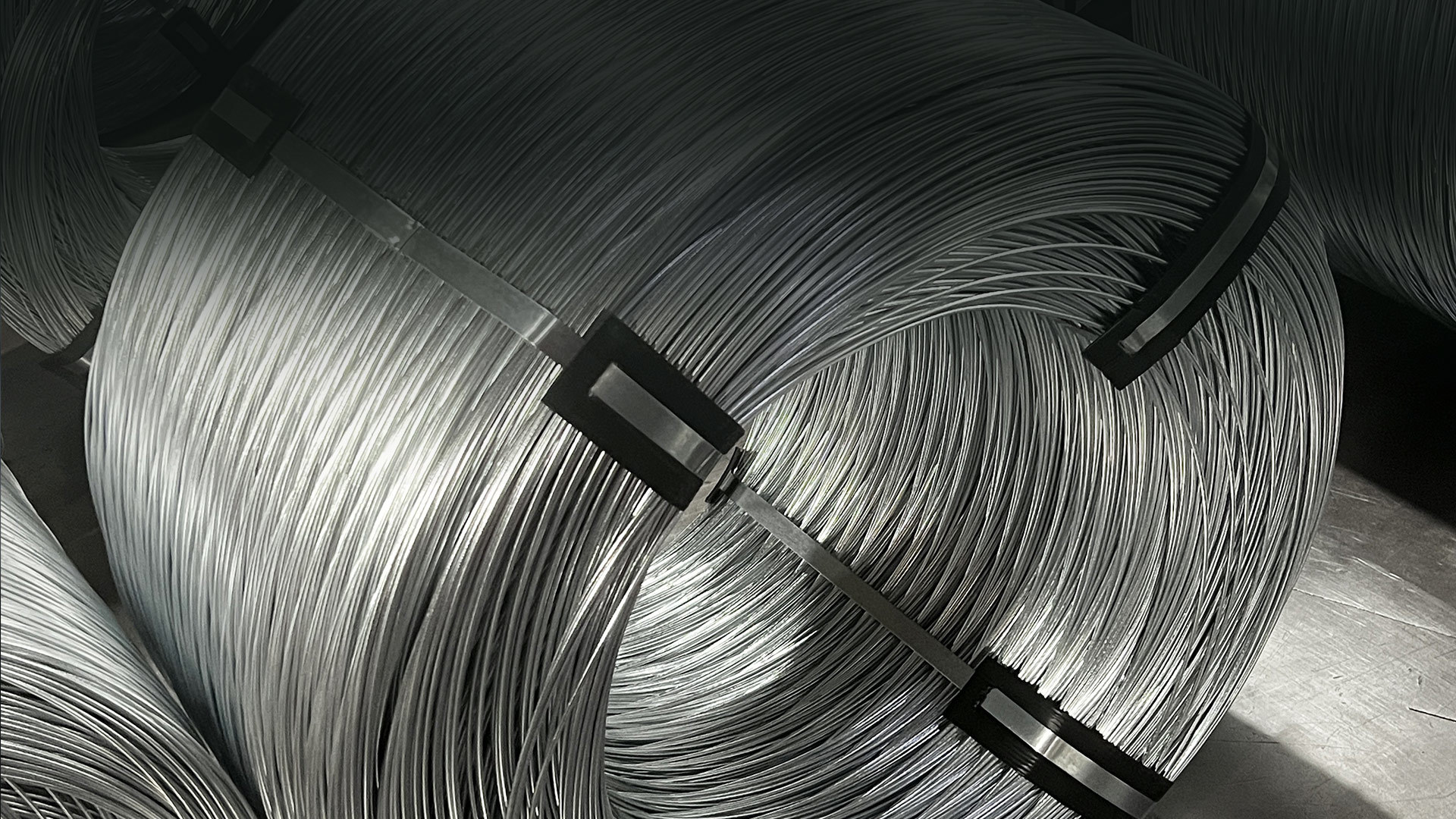
- Mechanical Properties
- Thicker Zinc Layer
- To some extent, it can improve the wear resistance of the wire. The thicker zinc layer forms a relatively hard protective film on the wire surface. When the wire rubs against other objects, the zinc layer can bear a part of the frictional force and reduce the wear of the wire substrate. For example, when making a protective net that is often subject to friction or a wire for reinforcing a conveyor belt, an appropriately thick zinc layer (about 60 - 80 micrometers) can effectively improve its wear - resistance performance.
- However, an overly thick zinc layer may cause a slight decrease in the flexibility of the wire. Because the zinc layer itself has a certain hardness and brittleness, when the zinc layer is too thick, the zinc layer may crack during the bending or twisting process of the wire. For example, in the production of some handicrafts that require high flexibility, if the zinc layer is too thick, the zinc layer is prone to peeling or cracking during the shaping process of the wire, affecting the quality of the final product.
- Thinner Zinc Layer
- It has limited improvement in wear resistance. The thin zinc layer is easily worn off when subjected to a large frictional force and cannot effectively protect the wire substrate from wear.
- Thicker Zinc Layer
- Appearance and Decorative Properties
- Thicker Zinc Layer
- When the zinc layer is thicker, the wire surface is brighter and smoother, with better decorative properties. For example, in wire products for architectural decoration or indoor handicrafts, a thicker zinc layer (such as over 70 micrometers) can give the wire a bright metallic luster, and this luster can be maintained for a long time because the thicker zinc layer can resist a certain degree of oxidation and pollution and maintain a clean and beautiful appearance.
- Thinner Zinc Layer
- The thin zinc layer is prone to uneven color and, during use, due to the easy oxidation or corrosion of the zinc layer, black spots and rust may appear on the wire surface, affecting its appearance. For example, in some wire products for display that require high - quality appearance, the thin zinc layer may lose its luster in a short time, reducing the ornamental value of the product.
- Thicker Zinc Layer

Additional Resources
- The effect of layer thickness and immobilization
- Effect of thickness on the properties ZnO thin films
- SIMS investigations into the effect of growth
- The effect of the thickness of the adhesive layer
Keywords:
More information


Contact
Phone/WhatsApp:
E-mail:
Address:
Huangtai Industrial Park, Xiaozhan Town,
Jinnan District, Tianjin, 300353, China
Follow us

Inquiry