


Analysis of Difference Between Zinc-Aluminum Wire and High-zinc Galvanized Wire
Release time:
2024-12-05
It is an alloy wire composed mainly of zinc and aluminum. The combination of these two metals creates a unique microstructure.
-
Composition and Structure
-
Zinc - Aluminum Wire
-
It is an alloy wire composed mainly of zinc and aluminum. The combination of these two metals creates a unique microstructure. The alloying process allows the atoms of zinc and aluminum to interact, often resulting in a more homogeneous and corrosion - resistant structure. For example, the addition of aluminum can enhance the overall mechanical properties and corrosion resistance of the wire.
-
The proportion of zinc and aluminum can vary depending on the specific requirements of the application. Different ratios can lead to different physical and chemical properties.
-
-
High - Zinc Galvanized Wire
-
It consists of a base metal (usually iron or steel) with a thick layer of zinc coating. The core of the wire provides the structural strength, while the zinc layer on the outside serves as a protective barrier against corrosion.
-
The zinc coating is typically applied through a galvanizing process, such as hot - dip galvanizing. In this process, the wire is immersed in a bath of molten zinc, and the zinc adheres to the surface of the wire, forming a continuous and relatively thick layer.
-
-
-
Corrosion Resistance
-
Zinc - Aluminum Wire
-
The alloy's corrosion resistance is due to the combined effects of zinc and aluminum. Aluminum forms a stable oxide layer on the surface, which acts as a passive barrier against further oxidation and corrosion. At the same time, zinc provides sacrificial protection in case the oxide layer is damaged.
-
In corrosive environments such as coastal areas or industrial regions with high humidity and chemical pollutants, the zinc - aluminum wire can exhibit better long - term corrosion resistance compared to some other materials. For example, in a marine environment, the alloy's resistance to salt - water corrosion can significantly extend the service life of the wire.
-
-
High - Zinc Galvanized Wire
-
The corrosion resistance of high - zinc galvanized wire mainly depends on the integrity and thickness of the zinc coating. The zinc layer acts as a sacrificial anode, corroding preferentially to protect the underlying base metal.
-
However, if the zinc coating is scratched or damaged, the exposed base metal can start to corrode. The rate of corrosion will depend on factors such as the environment and the thickness of the remaining zinc layer. In less severe environments, the galvanized wire can provide adequate protection for a long period.
-
-
-
Mechanical Properties
-
Zinc - Aluminum Wire
-
The addition of aluminum to zinc can improve the wire's mechanical strength. The alloy may have higher tensile strength and hardness compared to pure zinc wire. The specific mechanical properties will depend on the alloy composition and the manufacturing process.
-
For example, in applications where the wire needs to withstand a certain amount of tension or stress, such as in fencing or cable applications, the zinc - aluminum wire's enhanced mechanical properties can be an advantage.
-
-
High - Zinc Galvanized Wire
-
The mechanical properties of high - zinc galvanized wire are mainly determined by the base metal. The zinc coating, although it provides some additional protection, does not significantly alter the fundamental mechanical characteristics of the wire.
-
The wire's flexibility and ductility are typically good, which makes it suitable for applications where bending or shaping is required, such as in wire mesh or binding wire applications.
-
-
-
Appearance and Surface Finish
-
Zinc - Aluminum Wire
-
The surface of zinc - aluminum wire may have a different appearance depending on the alloy composition. It can have a more matte or slightly textured finish. The color can range from a silvery - white to a light grayish - white tone.
-
Some zinc - aluminum alloys may also have a self - healing property in terms of the surface oxide layer, which can give the wire a more consistent and durable appearance over time.
-
-
High - Zinc Galvanized Wire
-
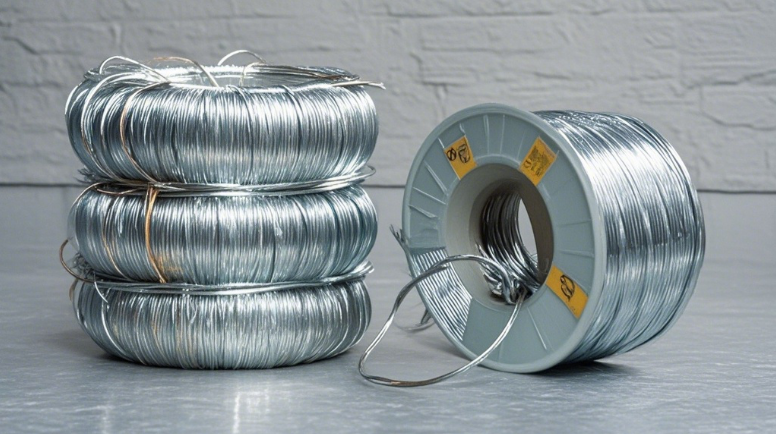
High - zinc galvanized wire usually has a bright, shiny appearance due to the smooth zinc coating. The color is typically a bright, silvery - white, which can provide an aesthetically pleasing look in many applications.
-
However, the quality of the surface finish can vary depending on the galvanizing process. Poorly galvanized wire may have surface irregularities such as bumps or an uneven zinc layer.
-
-
-
Applications and Usage
-
Zinc - Aluminum Wire
-
Due to its excellent corrosion resistance and good mechanical properties, zinc - aluminum wire is often used in applications where long - term durability and strength are required. It is commonly used in outdoor structures such as fencing for coastal properties, high - voltage power transmission lines in harsh environments, and in some automotive and aerospace components.
-
In the automotive industry, for example, zinc - aluminum wires can be used for wiring harnesses that need to withstand temperature variations and corrosive substances.
-
-
High - Zinc Galvanized Wire
-
High - zinc galvanized wire is widely used in a variety of applications where cost - effectiveness and good general - purpose corrosion protection are needed. It is a popular choice for building wire mesh for concrete reinforcement, agricultural fencing, and general - purpose binding and tying applications.
-
In the construction industry, it is used to make wire mesh for plastering or to reinforce brickwork. The relatively low cost and adequate corrosion resistance make it a practical option for these types of applications.
-
-

Additional Resources
- Zinc, Aluminum Different, Explore The Details
-
Galvanized vs. Galvanneal Steel
-
Analysis of Methods of Reducing Zinced Waste
-
Detection and analysis of steel wire zinc aluminum
Keywords:
More information


Contact
Phone/WhatsApp:
E-mail:
Address:
Huangtai Industrial Park, Xiaozhan Town,
Jinnan District, Tianjin, 300353, China
Follow us

Inquiry