


Full Analyzed of the Specification and Process of Galvanized Spool Wire
Release time:
2024-11-29
Specifications of Galvanized Spool Wire
Specifications of Galvanized Spool Wire
- Wire Diameter: The diameter of galvanized spool wire typically ranges from 0.15 mm to 8.0 mm. For example, in some common applications, 1.0 - 3.0 mm diameter wires are often used.
- Zinc Coating Thickness: It can vary significantly depending on the application and the galvanization process used. In general, the zinc layer thickness for galvanized spool wire can range from about 20 grams per square meter to 300 grams per square meter or more. For example, in less demanding environments, a zinc coating of around 20 - 30 grams per square meter might be sufficient, while for more corrosive or outdoor applications, a thicker coating of 60 grams per square meter or more may be required.
- Tensile Strength: The tensile strength of galvanized spool wire usually ranges from 300 MPa to 600 MPa, depending on the grade of the base steel and the processing techniques employed.
- Length and Weight per Spool: The length and weight of wire on each spool can vary widely. Commonly, the weight per spool can range from 1 kg to 1000 kg, with corresponding lengths depending on the wire diameter.
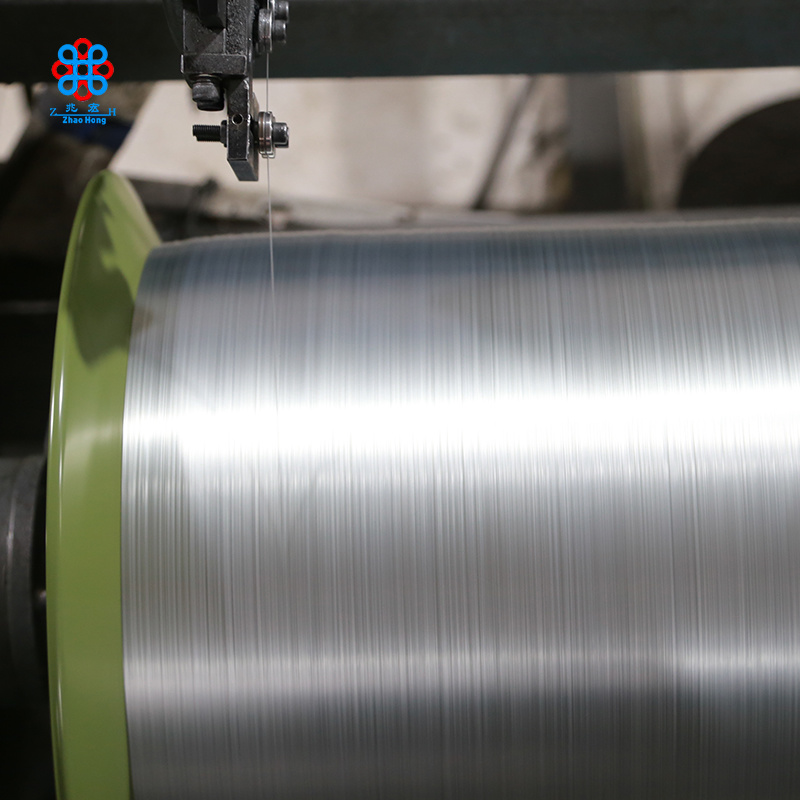
Processes of Galvanized Spool Wire
- Hot-dip Galvanizing Process:
- Wire Preparation: High-quality low-carbon steel wire rod is used as the raw material. The wire is first subjected to drawing to achieve the desired diameter and length, followed by pickling and rust removal to clean the wire surface thoroughly, and then high-temperature annealing is carried out to improve the wire's ductility.
- Hot-dip Galvanizing: The prepared wire is immersed in a bath of molten zinc at a temperature typically ranging from around 450°C to 460°C. The immersion time is carefully controlled to ensure an even and sufficient zinc coating is formed on the wire surface. During this process, the zinc reacts with the iron on the wire surface to form a series of zinc-iron alloy layers, which provide excellent corrosion resistance.
- Post-treatment: After hot-dip galvanizing, the wire is cooled and may undergo additional processes such as passivation or oiling to further enhance the corrosion resistance and appearance of the zinc coating. Passivation involves treating the galvanized surface with a chemical solution to form a thin, protective layer that improves the long-term durability of the coating.
- Electro-galvanizing Process:
- Wire Preparation: Similar to the hot-dip galvanizing process, the low-carbon steel wire rod is drawn, pickled, and annealed to prepare it for galvanizing.
- Electro-galvanizing: The wire is then placed in an electroplating bath containing zinc salts and other additives. A direct current is passed through the bath, causing zinc ions to migrate and deposit onto the wire surface, gradually forming a thin, uniform zinc coating. The thickness of the electro-galvanized coating is usually much thinner than that of hot-dip galvanizing, typically ranging from 3 to 15 microns.
- Finishing: After electro-galvanizing, the wire may be rinsed, dried, and sometimes coated with a clear protective layer or oil to prevent oxidation and improve the appearance of the coating.

Additional Resources
- Galvanized Wire (0.13mm to 0.60mm) Spool Wire
- Chinese Direct Factory 0.3mm 0.54mm Galvanized Spool Wire
- Research and Manufacture of Galvanized Full-locked Wire
- Galvanized Wire, Galvanised Wire Mesh
Keywords:
More information


Contact
Phone/WhatsApp:
E-mail:
Address:
Huangtai Industrial Park, Xiaozhan Town,
Jinnan District, Tianjin, 300353, China
Follow us

Inquiry