


Cold Drawing Wire Process: A Comprehensive Guide to Specifications
Release time:
2024-10-18
Cold Drawing Wire Process:
Cold Drawing Wire Process:
-
Raw Material Preparation: The raw material for cold drawing wire is wire rod. High-quality wire rod with specific chemical compositions and mechanical properties is selected. Before production, the wire rod is inspected to ensure it meets the required standards and is free from defects.
-
Descaling: The wire rod usually has an oxide layer or other impurities on its surface. Descaling is carried out to remove these impurities. Mechanical descaling methods such as abrasive blasting or wire brushing can be used, or chemical descaling using acid solutions can be employed.
-
Lubrication: After descaling, the wire rod is lubricated to reduce friction during the drawing process. Lubricants such as graphite powder, soap solutions, or specialized drawing oils are applied to the wire rod. The lubrication helps to improve the surface quality of the drawn wire and reduces wear on the drawing dies.
-
Drawing Process: This is the core step of cold drawing wire production. The lubricated wire rod is passed through a series of drawing dies with progressively smaller diameters. Under tension, the wire rod is elongated and its diameter is reduced. Multiple drawing passes may be required to achieve the desired wire diameter. The drawing speed, tension, and die geometry are carefully controlled to ensure the quality of the drawn wire.
-
Annealing: After several drawing passes, the cold drawn wire may have internal stresses and increased hardness. Annealing is performed to relieve these stresses and restore the ductility of the wire. The wire is heated to a specific temperature and held for a certain period of time, then cooled slowly. The annealing temperature and time depend on the material and the desired properties of the wire.
-
Surface Treatment: The annealed wire may undergo surface treatment to improve its corrosion resistance and appearance. Surface treatments can include pickling to remove scale and rust, passivation to form a protective layer, or galvanizing to apply a zinc coating.
-
Quality Inspection: The cold drawn wire is inspected for various quality parameters such as diameter tolerance, surface finish, tensile strength, and elongation. Only wires that meet the specified quality standards are accepted for packaging and shipment.
Specifications of Cold Drawing Wire:
-
Diameter: Cold drawing wire is available in a wide range of diameters, typically from a few millimeters down to very fine wires. The diameter is specified with a high degree of precision to meet the requirements of different applications.
-
Length: The length of cold drawing wire can be customized according to customer needs. It can be supplied in coils or cut to specific lengths.
-
Material: Cold drawing wire can be made from various materials, including carbon steel, stainless steel, copper, aluminum, and other alloys. The choice of material depends on the intended application and the required mechanical and chemical properties.
-
Tensile Strength: The tensile strength of cold drawing wire is an important specification. It indicates the ability of the wire to withstand tensile forces. Tensile strengths can vary widely depending on the material and the drawing process.
-
Elongation: Elongation is a measure of the ductility of the wire. It represents the percentage increase in length that the wire can withstand before breaking. Higher elongation values indicate more ductile wires.
-
Surface Finish: The surface finish of cold drawing wire can range from smooth and shiny to matte or textured. The surface finish is important for applications where appearance or adhesion of coatings is a concern.
-
Packaging: Cold drawing wire is usually packaged in coils or spools. The packaging should protect the wire from damage during transportation and storage. Labels on the packaging provide information about the wire's specifications and characteristics.
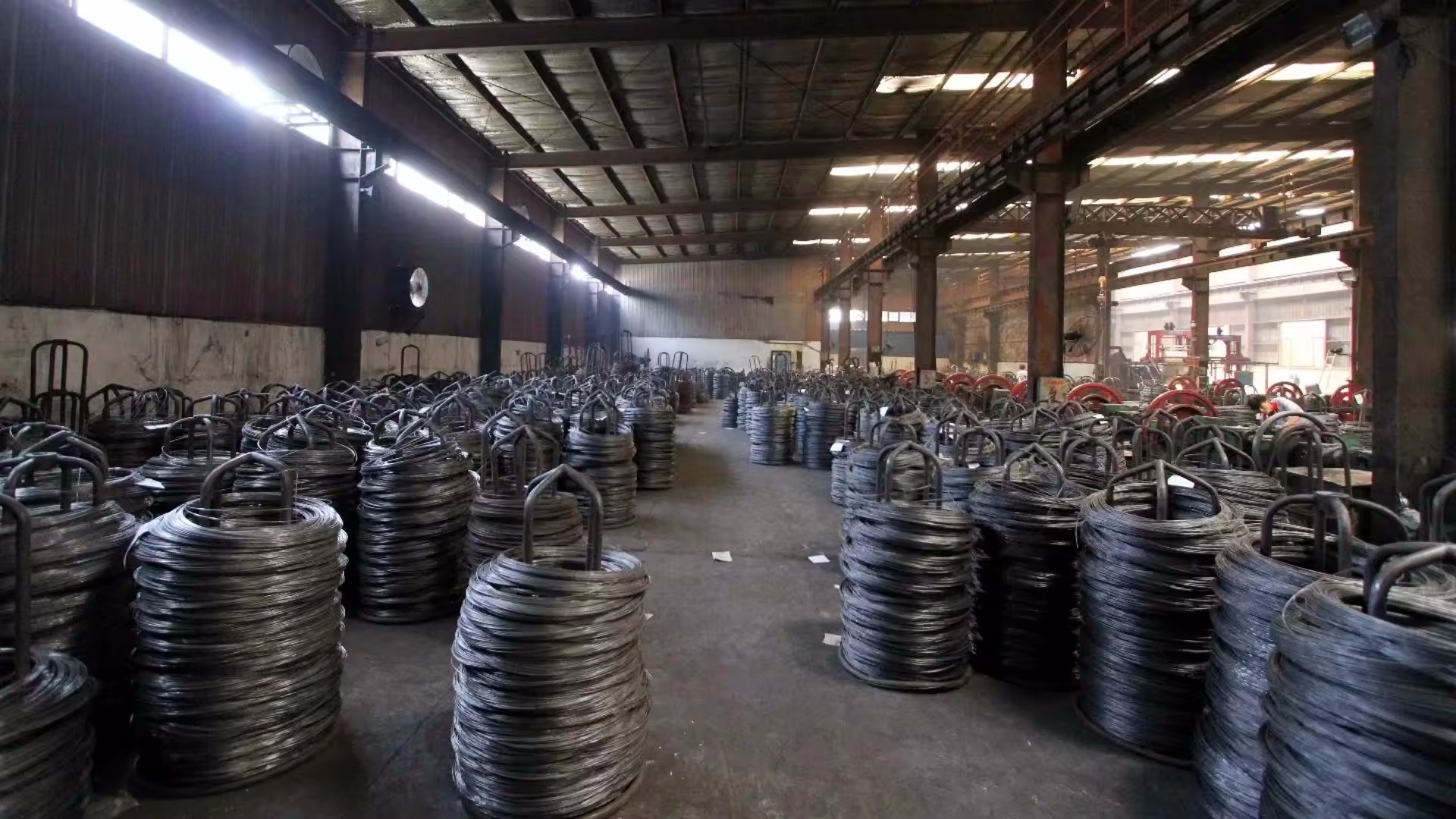
Determining the specific production process of cold drawing wire involves several key considerations:
1. Analyze Product Requirements
- End Use: Understand where the cold drawing wire will be used. For example, if it's for construction purposes like making wire mesh or for industrial applications such as springs, different properties will be required.
- Specification Requirements: Determine the specific dimensions (diameter, length), mechanical properties (tensile strength, elongation), and surface finish needed. This will guide the selection of the appropriate production steps.
2. Select Raw Material
- Wire Rod Quality: Choose high-quality wire rod as the starting material. Consider factors such as the chemical composition, purity, and mechanical properties of the wire rod. Different grades of steel or other metals may be suitable depending on the end product requirements.
- Diameter and Tolerance: Ensure that the wire rod diameter is within the acceptable range for the cold drawing process and that the diameter tolerance is suitable for the final product.
3. Determine Drawing Parameters
- Number of Drawing Passes: Calculate the number of drawing passes required to achieve the desired wire diameter. This depends on the initial and final diameters, as well as the reduction ratio per pass. Too many passes may lead to excessive work hardening and potential quality issues, while too few passes may not achieve the required dimensional accuracy.
- Drawing Speed: The drawing speed should be optimized to balance production efficiency and product quality. A higher drawing speed may increase productivity but could also lead to surface defects or internal stresses.
- Drawing Force: Determine the required drawing force based on the material properties and the reduction ratio. This will help in selecting the appropriate drawing equipment.
4. Select Lubrication Method
- Lubricant Type: Choose a suitable lubricant to reduce friction during the drawing process. Lubricants can be dry powders (such as graphite or talc) or liquid lubricants (such as soap solutions or oils). The choice depends on the material being drawn and the production conditions.
- Application Method: Decide on the method of applying the lubricant, whether it's by dipping the wire rod in the lubricant, spraying it on, or using a continuous lubrication system.
5. Consider Annealing Process
- Need for Annealing: If the cold drawing process results in excessive work hardening or if the required mechanical properties cannot be achieved without annealing, then an annealing step may be necessary. Annealing softens the wire and relieves internal stresses.
- Annealing Parameters: Determine the annealing temperature, time, and cooling method. These parameters depend on the material and the desired properties of the final product.
6. Evaluate Quality Control Measures
- In-Process Inspection: Implement quality control checks at various stages of the production process. This may include measuring the wire diameter, checking the surface finish, and testing the mechanical properties.
- Final Inspection: Conduct a comprehensive inspection of the finished cold drawing wire to ensure it meets all the specified requirements. This may involve tensile testing, hardness testing, and visual inspection for defects.
7. Equipment Selection
- Drawing Machines: Select the appropriate drawing machines based on the production volume, wire diameter range, and drawing force requirements. Consider factors such as the machine's speed, accuracy, and reliability.
- Tooling: Choose high-quality drawing dies and other tooling that are designed for the specific material and drawing parameters. The dies should have the correct geometry and hardness to ensure smooth drawing and long service life.
By carefully considering these factors and conducting trials and experiments if necessary, you can determine the specific production process for cold drawing wire that meets your product requirements and production constraints.
Keywords:
More information


Contact
Phone/WhatsApp:
E-mail:
Address:
Huangtai Industrial Park, Xiaozhan Town,
Jinnan District, Tianjin, 300353, China
Follow us

Inquiry