


How to Prevent Galvanized Wire Shipping Containers without Water
Release time:
2024-10-11
Here are some ways to prevent shipping containers for galvanized wire from getting water in:
Here are some ways to prevent shipping containers for galvanized wire from getting water in:
I. Container Selection and Inspection
-
Choose high-quality containers:
- Before loading, try to select containers with good structure and no obvious damage. New containers usually have better sealing performance, but they may be more expensive. If using old containers, carefully check their conditions in all parts to ensure there are no cracks, holes or deformations.
- Check whether the door sealing strip of the container is in good condition. The sealing strip should be elastic, without aging or breakage, and can fit tightly on the door frame to prevent seawater from seeping in through the door gap.
-
Inspection before loading:
- Conduct a comprehensive inspection of the container, including the top, bottom, sides and corners. Check whether the floor of the container is flat and dry and free from damage or corrosion. If the floor is damaged, seawater may seep in from the bottom and damage the goods.
- Observe the side panels and top panels of the container to see if there are rust spots, dents or cracks at the welds. These parts are prone to leakage problems. Once found, they should be dealt with or the container should be replaced in time.
II. Cargo Packaging and Loading
-
Packaging of galvanized wire:
- Properly package the galvanized wire. Waterproof plastic film, moisture-proof paper or special waterproof materials can be used for wrapping. Ensure that the packaging is tight and without damage, and can effectively block the intrusion of seawater and moisture.
- Place desiccants or moisture-proof agents inside the packaging to absorb the moisture that may enter the packaging and keep the goods dry.
-
Reasonable loading of goods:
- When loading galvanized wire, ensure that the goods are placed neatly and tightly without gaps. Gaps may cause the goods to move during transportation, thus damaging the inner wall of the container or causing poor sealing.
- Place heavier goods at the bottom and lighter goods on top to maintain the stability of the container. At the same time, pay attention to the even distribution of goods and avoid excessive weight on one side causing the container to tilt.
III. Container Sealing Treatment
-
Door sealing:
- Before closing the container door, ensure that the door sealing strip is clean and free from debris. Compressed air or a damp cloth can be used to clean the dust and dirt on the sealing strip to ensure the sealing effect.
- After closing the door, use tightening devices (such as door latches, locks, etc.) to close the door tightly. Check whether the periphery of the door is well sealed. If there are gaps, rubber gaskets or sealants can be used for filling.
-
Ventilation port sealing:
- Some containers are equipped with ventilation ports to adjust the temperature and humidity inside. Before shipping, check the sealing condition of the ventilation ports and ensure that they are closed and sealed well. Waterproof tape or sealant can be used to seal the ventilation ports.
-
Sealing of top and bottom:
- Check the top and bottom of the container to see if there are bolt holes, weld seams or other parts that may leak water. For bolt holes, rubber plugs or sealants can be used for plugging.
- Ensure that the bottom drainage holes of the container are unobstructed. At the same time, a layer of plastic film or waterproof cloth can be laid on the bottom before loading to prevent seawater from seeping in from the bottom.
IV. Precautions during Transportation
-
Avoid loading and unloading in bad weather:
- When loading and unloading galvanized wire, try to avoid doing it in bad weather conditions such as heavy rain and strong wind. Bad weather may cause damage to the container during loading and unloading, or make it easier for seawater to seep into the container.
-
Regular inspection:
- During shipping, regularly check the condition of the container. This can be done by observing whether there are signs of water leakage on the outside of the container and checking whether the packaging of the goods is intact. If problems are found, take measures to deal with them in time.
-
Choose a reliable transportation company:
- Select a transportation company with experience and good reputation. They usually conduct strict inspections and maintenance of containers to ensure the safe transportation of goods. At the same time, the transportation company will also provide corresponding insurance services to deal with possible losses.
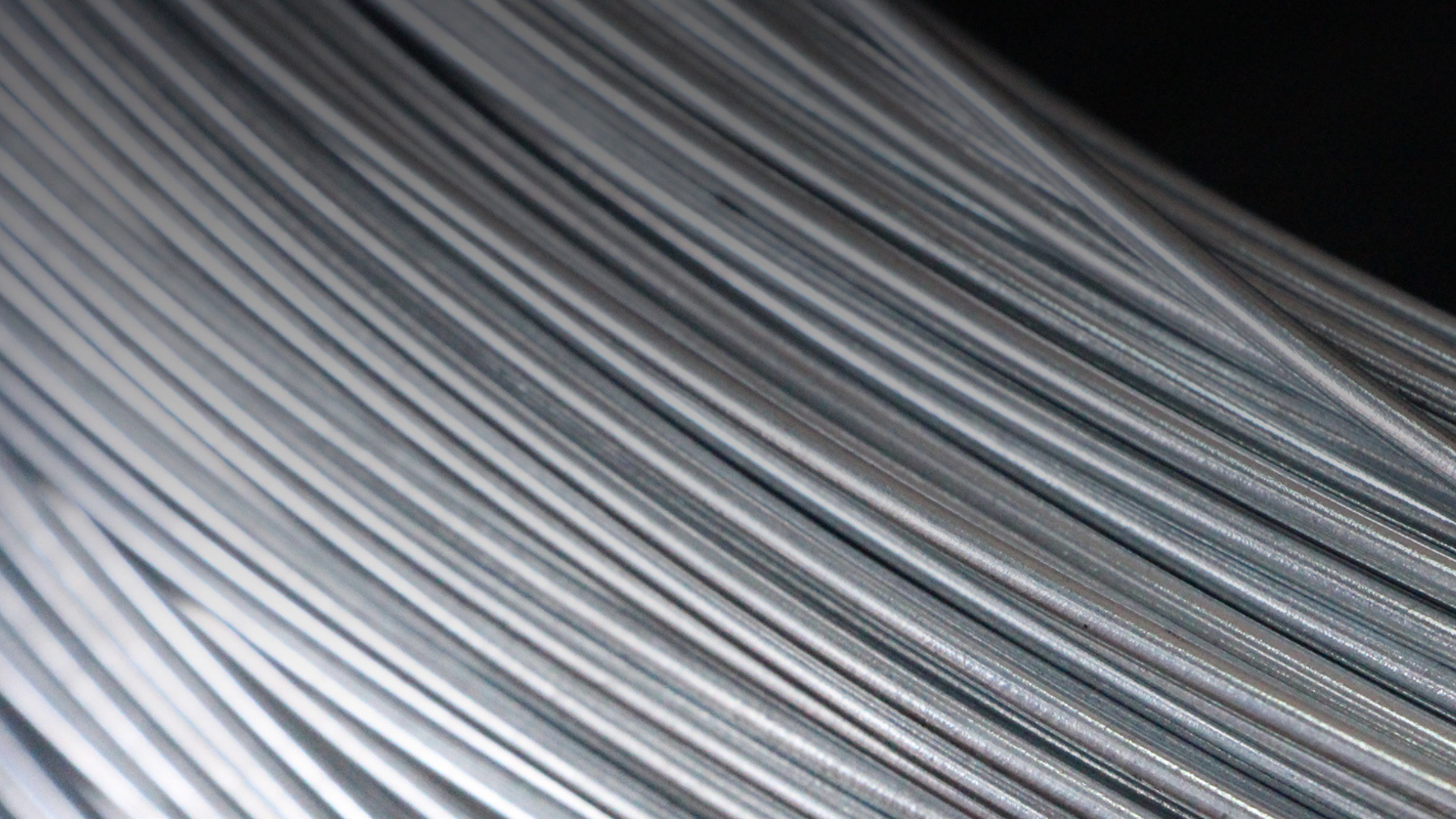
In addition to desiccants and moisture-proof agents, here are some other methods to prevent marine galvanized wire from getting damp:
I. Packaging Measures
-
Coating and Lacquering:
- Apply a thin layer of waterproof coating or lacquer on the surface of the galvanized wire. This can create an additional barrier to prevent moisture from reaching the metal. Special coatings designed for marine environments can offer enhanced protection against saltwater and humidity.
- For example, epoxy-based coatings are known for their excellent adhesion and resistance to moisture and chemicals, making them suitable for protecting galvanized wire during shipping.
-
Vacuum Packaging:
- Use vacuum packaging to remove air and moisture from around the galvanized wire. This creates a sealed environment that minimizes the contact of the wire with damp air.
- Vacuum-sealed packages can be made using special plastic films or bags that are heat-sealed to ensure a tight seal. This method is particularly effective for small quantities of galvanized wire or for high-value products.
II. Container Modifications
-
Installing Vapor Barriers:
- Line the interior of the shipping container with vapor barrier materials such as polyethylene sheets or aluminum foil-backed insulation. These materials prevent moisture from condensing on the walls of the container and then coming into contact with the galvanized wire.
- Make sure the vapor barrier is properly installed and sealed to prevent any gaps or leaks that could allow moisture to penetrate.
-
Container Ventilation Systems:
- Equip the shipping container with ventilation systems that can control the humidity inside. These systems can include fans, dehumidifiers, or air circulation devices.
- Ventilation helps to remove excess moisture and maintain a relatively dry environment inside the container. However, it's important to ensure that the ventilation system is properly designed and maintained to prevent the entry of moist air from outside.
III. Storage and Handling Practices
-
Store in a Dry Location:
- Before loading the galvanized wire into the shipping container, ensure that it is stored in a dry, covered area. Avoid storing it outdoors or in areas with high humidity.
- If possible, use raised platforms or pallets to keep the wire off the ground and away from moisture.
-
Proper Loading and Unloading:
- When loading and unloading the galvanized wire, handle it carefully to avoid damage to the packaging or the wire itself. Damaged packaging can allow moisture to enter and cause the wire to get damp.
- Use proper lifting equipment and techniques to ensure that the wire is loaded and unloaded safely and efficiently.
IV. Monitoring and Inspection
-
Regular Inspections:
- Conduct regular inspections of the galvanized wire during storage and transportation. Check for signs of moisture, such as condensation, rust spots, or damaged packaging.
- If any signs of dampness are detected, take immediate action to address the problem, such as adding more desiccants or repairing damaged packaging.
-
Use Moisture Sensors:
- Install moisture sensors inside the shipping container or in the packaging of the galvanized wire. These sensors can detect changes in humidity and alert you to potential moisture problems before they cause significant damage.
- Moisture sensors can be connected to monitoring systems that provide real-time data and alerts, allowing you to take timely action to prevent dampness.

Additional Resources
-
Duty Portable Shipping Steel Wire Mesh Cage Contain
-
Galvanized Stackable Storage Cages Wire Basket Stillag
-
0.2mm to 4mm Galvanized Steel Wire
-
How To Strip Electrical Wire (With & Without Tools)
Keywords:
More information


Contact
Phone/WhatsApp:
E-mail:
Address:
Huangtai Industrial Park, Xiaozhan Town,
Jinnan District, Tianjin, 300353, China
Follow us

Inquiry