


Comprehensive Analysis of Black Wire and Black Annealed Wire Specification Details
Release time:
2024-09-26
Here is a detailed analysis of the specification parameters of black wire and black annealed wire:
Here is a detailed analysis of the specification parameters of black wire and black annealed wire:
- Material:
- Black wire: Mainly made of low-carbon steel, such as Q195. This kind of material ensures that the black wire has certain strength and is suitable for various applications. The chemical composition includes elements such as iron, cobalt, nickel, copper, carbon, and zinc.
- Black annealed wire: Usually made from high-quality low-carbon steel like Q195 or Q235 as well6. After the annealing process, the internal stress of the wire is relieved, making it softer and more ductile compared to the black wire before annealing.
- Cross-sectional Shape:
- Both black wire and black annealed wire generally have a circular cross-sectional shape. This shape allows for uniform stress distribution during use, ensuring the stability and reliability of the wire. For example, when used for binding or weaving, the circular shape makes it easier to handle and less likely to cause stress concentration at specific points.
- Wire Diameter (Size):
- Black wire: The wire diameter can range from a relatively thin 0.17mm to a thicker 4.5mm, and the wire is classified by different numbers such as 5# to 38#. For instance, thinner black wires can be used for making small handicrafts or in the electronics industry, while thicker ones are suitable for construction or heavy-duty industrial applications.
- Black annealed wire: The wire diameter typically ranges from 0.2mm to 8.0mm. Thinner black annealed wires are often used in the fields of agriculture (such as tying vines) and handicrafts, while thicker ones are used in construction for binding steel bars and other purposes.
- Length:
- Black wire and black annealed wire: The length can be customized according to customer requirements. Generally, there are products with lengths ranging from several centimeters to several meters or even longer. For example, in some construction projects, long-length black annealed wires are needed for continuous binding work, while in some small-scale DIY projects, shorter wires are sufficient.
- Tensile Strength:
- Black wire: Generally has a relatively high tensile strength, usually between 500MPa and 590MPa. This high tensile strength enables the black wire to maintain its shape and integrity under certain pulling forces, making it suitable for applications that require a certain degree of strength.
- Black annealed wire: After the annealing process, the tensile strength will be reduced compared to the original black wire. It is generally in the range of 350MPa to 550MPa. Although the tensile strength is slightly lower, its advantage lies in its increased softness and ductility, which is more conducive to operations such as bending and tying.
- Surface Treatment:
- Black wire: May have a relatively smooth surface without special treatment in some cases. However, in some applications where anti-corrosion is required, surface treatments such as electroplating or coating with anti-rust paint may be applied.
- Black annealed wire: Usually coated with rust-inhibiting oil to prevent rust and corrosion, ensuring its durability and stability during storage and use.
- Packaging:
- Both black wire and black annealed wire are usually packaged in a way that combines an inner plastic layer and an outer hemp or woven bag. This packaging method can not only prevent the wire from being scratched or damaged but also has a certain moisture-proof and anti-rust effect, facilitating storage and transportation.
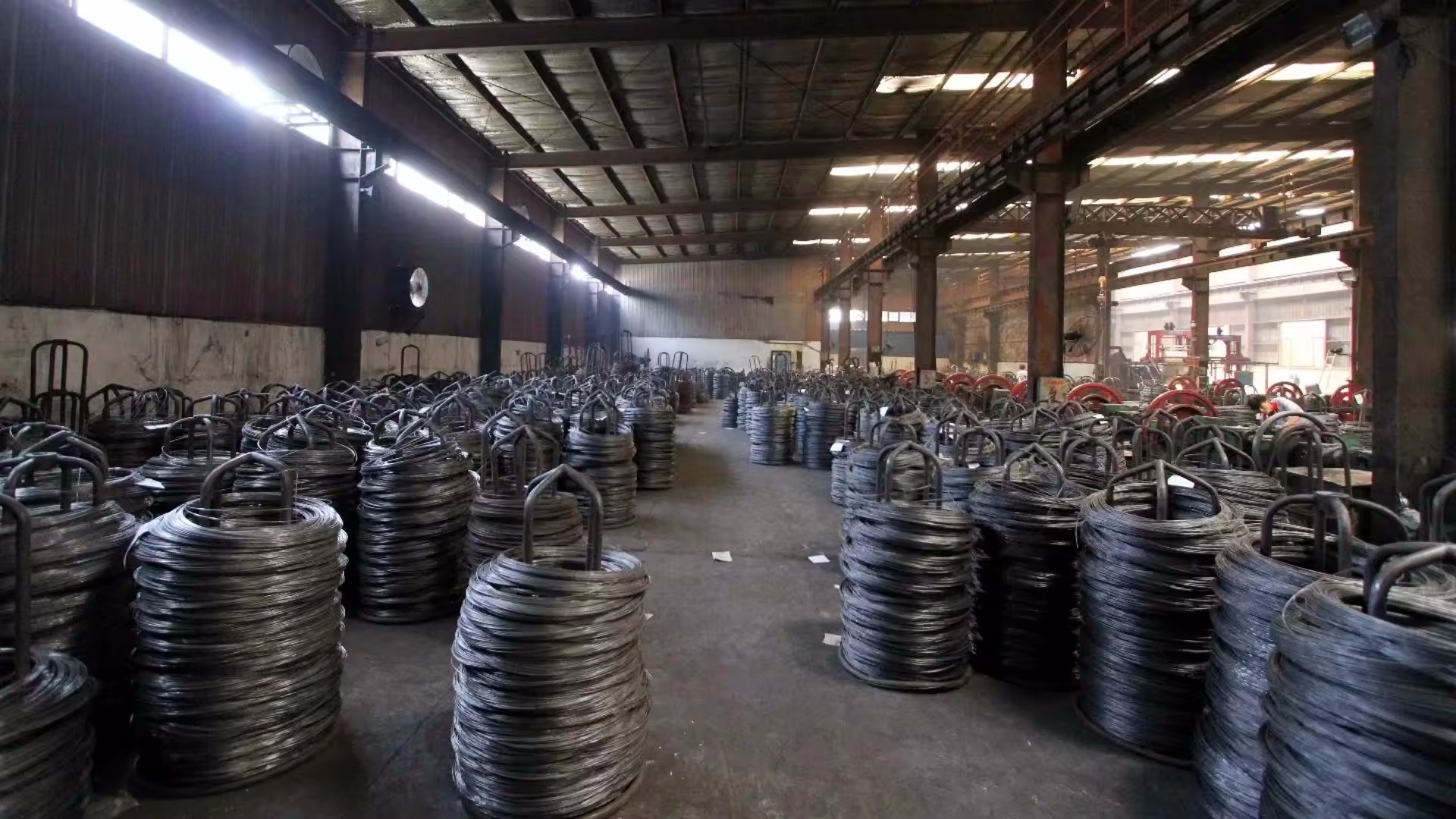
The prices of black wire and black annealed wire are affected by the following factors:
- Raw material costs:
- Price of steel: The main raw material for both black wire and black annealed wire is low-carbon steel. Fluctuations in the price of steel have a direct impact on the cost of these wires. For example, if the price of steel goes up due to increased demand in the steel market or factors such as supply shortages, the production cost of black wire and black annealed wire will increase, leading to a rise in their prices3.
- Quality of raw materials: Higher-quality steel raw materials may cost more, which in turn affects the price of the wires. Raw materials with better purity, fewer impurities, and more stable properties can result in higher-quality wires but also increase the production cost.
- Production process:
- Processing difficulty: Black annealed wire requires an additional annealing process compared to black wire. Annealing involves heating and then cooling the wire to improve its softness and ductility. This extra process requires more energy, time, and equipment, increasing the production cost and thus making black annealed wire generally more expensive than black wire14.
- Technology and equipment: Advanced production technologies and high-quality equipment can improve production efficiency and product quality but may also involve higher investment costs. Manufacturers using more advanced production processes and equipment may charge higher prices for their wires to cover these costs.
- Product specifications:
- Wire diameter: Thicker wires generally require more raw materials and greater processing effort, so wires with larger diameters are usually more expensive. For example, a thicker black wire or black annealed wire will have a higher price per unit length compared to a thinner one2.
- Length: Longer wires may also have a higher price as they consume more raw materials and may involve more complex production and handling processes. Customized lengths or longer lengths that are not in standard sizes may have a price premium.
- Market supply and demand:
- Market demand: If there is a high demand for black wire and black annealed wire in the construction, agriculture, or other industries, such as during a period of extensive infrastructure construction, the demand for these wires will increase. When supply cannot meet demand in a timely manner, the prices will rise.
- Market competition: The level of competition among wire manufacturers also affects prices. In a highly competitive market, manufacturers may offer more competitive prices to attract customers. Conversely, in a market with less competition or where a few manufacturers dominate, the prices may be relatively stable or even higher.
- Transportation and packaging costs:
- Transportation: The distance between the production site and the sales destination, as well as the transportation mode and costs, can affect the final price of the wires. Longer distances or higher transportation costs will increase the overall price of the wires.
- Packaging: Appropriate packaging is necessary to protect the wires during transportation and storage. Different packaging materials and methods have different costs, and these costs are also factored into the product price. For example, better-quality packaging materials or special packaging requirements for certain applications may increase the packaging cost and thus the overall price of the wires.

Additional Resources
- Black Annealed Wire, Binding Wire, Tie Wire Factory
- Black Annealed Twist Wire 1.25mm*7 Wires 6wires
- Black Annealed Iron Wire/ U type annealed binding wire
- Black Iron Wire, Annealed Wire Bwg18, 1.2mm Guage18
More information


Contact
Phone/WhatsApp:
E-mail:
Address:
Huangtai Industrial Park, Xiaozhan Town,
Jinnan District, Tianjin, 300353, China
Follow us

Inquiry