


Application Analysis of Hardness and Softness of Galvanized Wire
Release time:
2024-09-02
Application analysis of hardness and softness of galvanized wire Galvanized wire is a widely used metal product with different levels of hardness and softness that play significant roles in various applications.
Application analysis of hardness and softness of galvanized wire
Galvanized wire is a widely used metal product with different levels of hardness and softness that play significant roles in various applications.
I. Characteristics of Hard Galvanized Wire
- High tensile strength: Hard galvanized wire has excellent tensile strength, which enables it to withstand significant pulling forces without breaking easily. This makes it suitable for applications that require strong structural support.
- Resistance to deformation: Due to its hardness, it is less likely to deform under pressure or when subjected to external forces. This is beneficial in applications where dimensional stability is crucial, such as in the construction of frameworks and supports.
- Durability: The hard nature of the wire often translates to greater durability. It can withstand harsh environmental conditions, abrasion, and wear over a longer period, reducing the need for frequent replacements.
II. Characteristics of Soft Galvanized Wire
- Flexibility: Soft galvanized wire is highly flexible and can be easily bent, twisted, and shaped to fit various designs and configurations. This makes it ideal for applications that require intricate shaping or where the wire needs to conform to irregular surfaces.
- Ease of handling: Soft wire is easier to handle during installation and fabrication processes. It can be manipulated without the need for heavy-duty tools or equipment, saving time and effort.
- Good conductivity (in some cases): In certain electrical applications, soft galvanized wire may offer better conductivity compared to harder wires, although this depends on the specific alloy and application requirements.
III. Applications Based on Hardness and Softness
Construction industry
- Hard galvanized wire: Commonly used in reinforcing concrete structures, such as in the construction of bridges, buildings, and dams. It provides the necessary strength and stability to hold the concrete in place and resist the forces exerted on the structure.
- Soft galvanized wire: Used for binding and tying materials together, such as in the installation of insulation or in securing scaffolding. Its flexibility allows for easy manipulation and tight binding.
Industrial applications
- Hard galvanized wire: Employed in the manufacturing of wire mesh, screens, and filters. The high tensile strength and resistance to deformation make it suitable for these applications where the wire needs to maintain its shape and integrity under stress.
- Soft galvanized wire: Used in electrical wiring harnesses and as grounding wires. Its flexibility makes it easier to route and install in complex industrial environments.
Agricultural sector
- Hard galvanized wire: Utilized in the construction of fences and enclosures to keep livestock in or pests out. The durability and strength of hard wire ensure that the fences can withstand the forces exerted by animals and the elements.
- Soft galvanized wire: Used for tying plants and supporting vines in horticulture. The soft wire is gentle on the plants and can be easily adjusted as the plants grow.
Household and DIY projects
- Hard galvanized wire: Can be used for making hooks, racks, and other sturdy household items. Its strength and durability make it suitable for applications that require long-term use.
- Soft galvanized wire: Ideal for crafting projects, such as making jewelry, ornaments, and decorative items. The flexibility allows for creative designs and easy shaping.
IV. Considerations for Selecting the Right Hardness
- Application requirements: Analyze the specific needs of the application, such as the required strength, flexibility, and durability. This will help determine whether hard or soft galvanized wire is more suitable.
- Environmental conditions: Consider the environmental factors that the wire will be exposed to, such as moisture, temperature, and chemical exposure. Hard wire may be more resistant to certain environmental conditions, while soft wire may be more suitable for applications where flexibility is needed in changing environments.
- Cost and availability: Evaluate the cost and availability of different hardness levels of galvanized wire. In some cases, soft wire may be more cost-effective or readily available, while in other applications, the performance benefits of hard wire may justify the higher cost.
In conclusion, the hardness and softness of galvanized wire offer different characteristics and advantages, making them suitable for a wide range of applications. By understanding the specific requirements of the application and considering the characteristics of different hardness levels, it is possible to select the most appropriate galvanized wire for a given task.
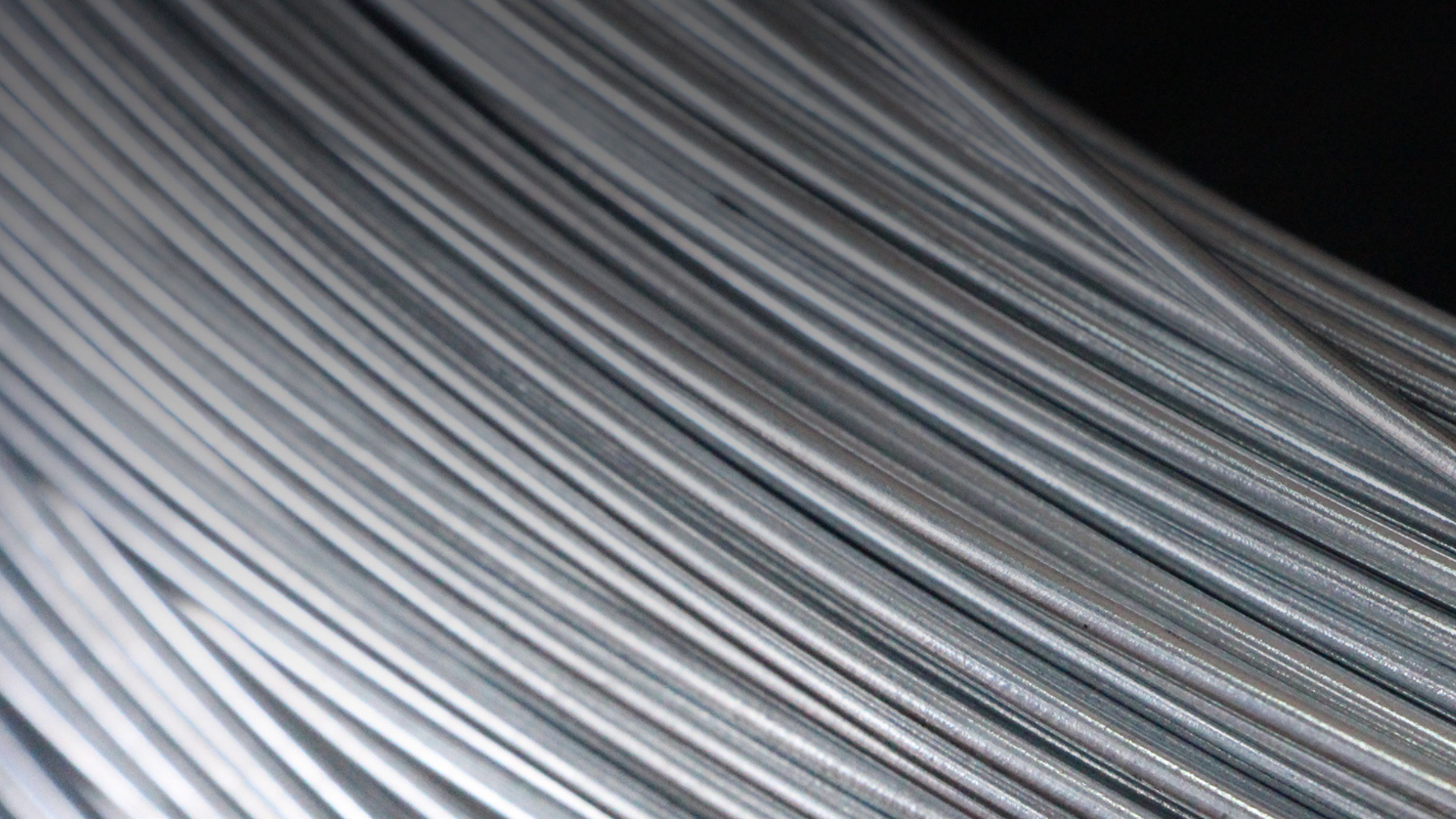
To determine whether the hardness of galvanized wire meets the requirements of the application scenario, you can follow these steps:
- Understand the application requirements: Clearly define the functions and conditions that the galvanized wire will be subjected to in the specific application. Consider factors such as the expected load, bending or shaping requirements, and any environmental conditions that may affect the wire's performance.
- Refer to relevant standards and specifications: Check if there are any industry standards, codes, or specifications that provide guidelines for the hardness of materials in similar applications. These standards can serve as a reference to determine the appropriate hardness range.
- Conduct hardness testing: You can use hardness testing methods such as the Rockwell hardness test or the Brinell hardness test to measure the hardness of the galvanized wire. These tests will provide numerical values that can be compared to the required hardness range.
- Consider the wire's mechanical properties: In addition to hardness, also consider other mechanical properties of the wire, such as tensile strength and ductility. These properties can affect the wire's performance in the application and should be taken into account when evaluating its suitability.
- Perform practical tests or simulations: If possible, conduct practical tests or simulations that replicate the conditions of the application scenario. For example, you can perform bending tests, tension tests, or exposure to specific environmental conditions to see how the galvanized wire behaves.
- Seek expert advice: If you are unsure about the suitability of the galvanized wire's hardness, consult with experts in the field, such as materials engineers or experienced professionals in the relevant industry. They can provide valuable insights and recommendations based on their knowledge and experience.
- Evaluate the cost and availability: Consider the cost and availability of galvanized wire with the desired hardness. Ensure that it fits within your budget and can be sourced reliably.
By following these steps and carefully evaluating the hardness of the galvanized wire in relation to the application requirements, you can make an informed decision about whether it meets the needs of the specific scenario.

Additional Reosurces
- Zinc–Coated (Galvanized) Carbon Steel Wire1
- Specifications and Applications of Steel Wire
- Ways to Assess the Quality of Black Annealed Wire
- Understanding Hardness Testing and its Applications
More information


Contact
Phone/WhatsApp:
E-mail:
Address:
Huangtai Industrial Park, Xiaozhan Town,
Jinnan District, Tianjin, 300353, China
Follow us

Inquiry