


In Galvanized Wire, the Importance of the Galvanized Layer
Release time:
2024-08-30
In galvanized wire, the galvanized layer has the following roles:
In galvanized wire, the galvanized layer has the following roles:
I. Anti-corrosion role
-
Blocking corrosive media:
-
The galvanized layer can form a tight protective layer on the surface of the wire, effectively blocking air, water, and other corrosive media from directly contacting the wire. For example, in a humid environment, if moisture and oxygen in the air directly contact the wire, it will trigger oxidation of the wire and gradually cause the wire to rust and corrode. The presence of the galvanized layer acts as a barrier to prevent the invasion of these corrosive factors.
-
In some industrial environments where there may be corrosive gases or chemicals, the galvanized layer can also provide good protection and prolong the service life of the wire.
-
-
Electrochemical protection:
-
When the galvanized layer is locally damaged, zinc and iron will form a galvanic cell. In this galvanic cell, zinc acts as the anode and iron as the cathode. Due to the lower electrode potential of zinc than that of iron, zinc will corrode preferentially, thereby protecting iron from corrosion. This way, even if the galvanized layer is partially damaged, the wire can still be protected to a certain extent.
-
II. Improving appearance quality
-
Aesthetics:
-
The galvanized wire has a bright metallic luster on its surface after galvanization, making it more aesthetically pleasing. This makes galvanized wire widely used in fields where appearance is required, such as decoration and handicraft production.
-
Compared with ungalvanized wire, galvanized wire has a more uniform color and smoother surface, giving a neat and high-end feeling.
-
-
Easy to clean:
-
The surface of the galvanized layer is relatively smooth and is not easy to adsorb dust, dirt, and other impurities, making it easier to clean. This is very important in some occasions that require cleanliness, such as food processing and medical equipment.
-
III. Enhancing mechanical properties
-
Increasing hardness:
-
The galvanized layer can increase the surface hardness of the wire to a certain extent, making it more wear-resistant and scratch-resistant. In the process of use, the wire may be subjected to external forces such as friction and collision. The hardness of the galvanized layer can reduce the surface damage of the wire and prolong its service life.
-
For example, in some occasions where frequent handling and pulling are required, the wear resistance of galvanized wire is particularly important.
-
-
Increasing strength:
-
Although the galvanized layer itself has limited improvement on the strength of the wire, it can indirectly improve the overall strength of the wire by improving the surface state of the wire and reducing surface defects. For example, the surface of ungalvanized wire may have some tiny cracks or defects. These defects are prone to become stress concentration points when subjected to force, reducing the strength of the wire. The galvanized layer can cover these defects and make the force on the wire more uniform, thereby improving its strength.
-
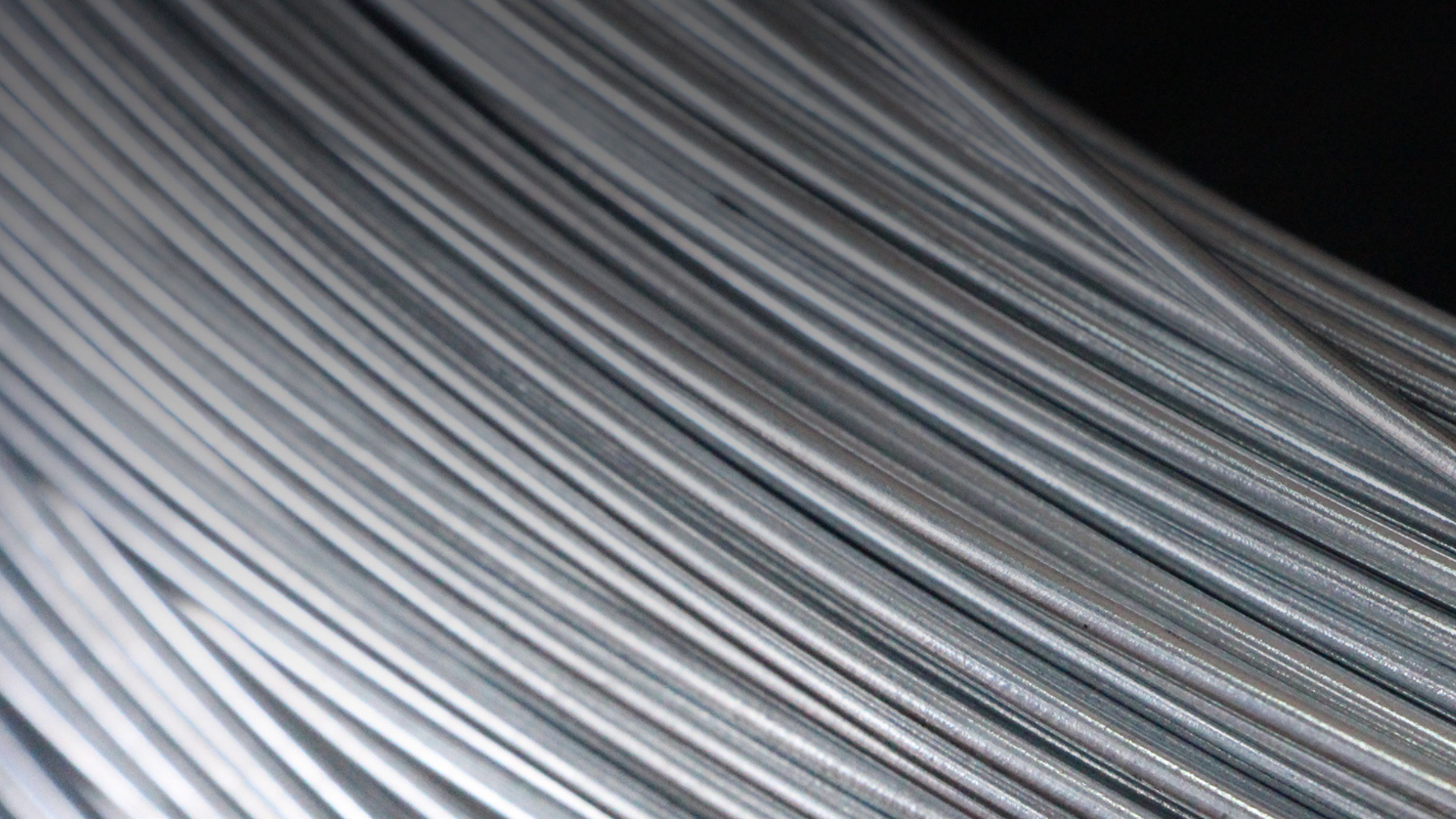
Here are some ways to prevent the appearance of dezincification on galvanized iron wire:
I. Control of galvanizing process
-
Optimize galvanizing parameters:
- Strictly control the galvanizing temperature. Too high a temperature may lead to poor bonding between the zinc layer and the iron wire substrate, and dezincification is prone to occur; too low a temperature may affect the efficiency and quality of galvanizing. Generally, the temperature for hot-dip galvanizing should be controlled within an appropriate range, usually between 440°C and 460°C. The specific temperature can be adjusted according to the actual situation.
- Control the galvanizing time. Too short a time may result in insufficient thickness of the zinc layer and may not provide good protection; too long a time may lead to excessive thickness of the zinc layer, which is prone to cracks and other defects and also increases the risk of dezincification. The galvanizing time should be reasonably determined according to the specification and requirements of the iron wire, generally ranging from a few minutes to more than ten minutes.
- Adjust the composition of the zinc bath. Ensure that the zinc content in the zinc bath meets the standard, generally above 98%. At the same time, an appropriate amount of alloying elements such as aluminum and nickel can be added to improve the performance of the zinc layer. For example, adding a certain amount of aluminum can improve the corrosion resistance and adhesion of the zinc layer and reduce the possibility of dezincification.
-
Ensure the quality of pretreatment before galvanizing:
- Thoroughly clean the surface of the iron wire. Before galvanizing, the iron wire must be thoroughly cleaned to remove surface impurities such as oil stains, rust, and oxide scale. Chemical cleaning, mechanical cleaning, or a combination of both methods can be used. For example, first use acid pickling solution to remove rust and oxide scale, then rinse with clean water, and then perform degreasing treatment to remove oil stains.
- Conduct activation treatment. After cleaning, there may be some oxide films on the surface of the iron wire, which will affect the adhesion of the zinc layer. Therefore, activation treatment is needed to remove the oxide film and make the surface of the iron wire in an activated state. Activation treatment can be carried out using dilute acid solution or other activators.
II. Control of storage and use environment
-
Reasonable storage:
- Keep the storage environment dry. A humid environment will accelerate the corrosion of the zinc layer and increase the risk of dezincification. Galvanized iron wire should be stored in a dry and ventilated warehouse and avoid contact with water. If the humidity in the warehouse is high, desiccants or ventilation equipment can be used to reduce the humidity.
- Avoid contact with corrosive substances. Galvanized iron wire should be kept away from corrosive substances such as acids, alkalis, and salts to prevent the zinc layer from being corroded and dezincified. During storage and transportation, protective measures such as using plastic film or rust-proof paper for packaging should be taken.
-
Correct use:
- Avoid excessive stretching and bending. When using galvanized iron wire, excessive stretching and bending should be avoided to prevent damage to the zinc layer. If bending processing is required, appropriate tools and methods should be used to avoid excessive stress concentration.
- Prevent collision and scratching. During handling and installation, careful operation should be taken to avoid collision and scratching of galvanized iron wire with other objects to prevent damage to the zinc layer. If the zinc layer is damaged, it should be repaired in time to prevent dezincification.
III. Quality inspection and maintenance
-
Strengthen quality inspection:
- Regularly inspect the quality of galvanized iron wire, including appearance inspection, thickness measurement, adhesion test, etc. Appearance inspection mainly observes whether there are defects such as blistering, cracking, and shedding on the zinc layer; thickness measurement can be carried out using a thickness gauge to ensure that the thickness of the zinc layer meets the requirements; adhesion test can be carried out using methods such as cross-cutting or pull-off test to check the bonding force between the zinc layer and the iron wire substrate.
- Deal with unqualified products in a timely manner. If quality problems such as dezincification are found in galvanized iron wire, timely analysis and treatment should be carried out. Measures such as rework, repair, or scrapping can be taken to ensure that the product quality meets the requirements.
-
Do a good job in maintenance:
- Regularly maintain galvanized iron wire in use, such as cleaning the surface and applying anti-rust paint. Cleaning the surface can remove dust, dirt and other impurities and reduce the occurrence of corrosion; applying anti-rust paint can further enhance the protective effect of the zinc layer and prolong the service life of galvanized iron wire.
- Pay attention to changes in the use environment. If the use environment changes, such as increased humidity or increased corrosive substances, corresponding measures should be taken in time, such as strengthening ventilation and increasing protection to prevent dezincification of galvanized iron wire.
Additional Resources
-
What is Galvanized Steel Wire?
-
What Role Does Zinc Play in Galvanized Steel?
-
The benefits of galvanized wire
-
Learn the Different Types of Galvanized Coatings
More information


Contact
Phone/WhatsApp:
E-mail:
Address:
Huangtai Industrial Park, Xiaozhan Town,
Jinnan District, Tianjin, 300353, China
Follow us

Inquiry