


Exploring the Various Uses of 8 and 10 Gauge Galvanized Wire
Release time:
2024-08-28
Analysis of the use scenarios of No. 8 galvanized wire and No. 10 galvanized wire:
Analysis of the use scenarios of No. 8 galvanized wire and No. 10 galvanized wire:
No. 8 Galvanized Wire:
1. Construction Industry:
- Rebar Tying: Used for tying steel bars in construction projects. Its relatively large diameter provides strong binding force to ensure the stability of the reinforced structure.
- Scaffolding Construction: Can be used to assemble and secure scaffolding. It can bear heavy loads and resist strong winds, ensuring the safety of construction workers.
- Fencing and Barriers: For constructing temporary fences or barriers on construction sites to prevent unauthorized access and ensure site safety.
2. Agricultural Sector:
- Fencing for Farms: Helps create sturdy fences for farms to keep livestock in and protect crops from wild animals.
- Support Structures for Greenhouses: Can be used to build the framework of greenhouses, providing support for the covering materials.
3. Industrial Applications:
- Cargo Securing: In logistics and transportation, it can be used to secure heavy cargo on trucks or ships.
- Wire Mesh Production: As a raw material for making industrial wire meshes, such as those used in mining and filtration.
No. 10 Galvanized Wire:
1. Handicrafts and DIY Projects:
- Jewelry Making: Due to its thinner diameter, it is suitable for making delicate jewelry pieces.
- Model Building: Can be used to create detailed models, providing flexibility for shaping and assembling.
2. Home and Garden:
- Hanging Pictures and Decorations: Thin enough to be used for hanging lightweight pictures and decorations without causing damage to walls.
- Gardening Supports: For supporting small plants and vines in the garden. It can be bent into various shapes to create trellises or plant supports.
3. Light Industrial and Packaging:
- Electrical Wiring Support: Can be used to secure electrical wires in light industrial settings.
- Gift Packaging: Used to tie up gift boxes or packaging materials for a neat and secure presentation.
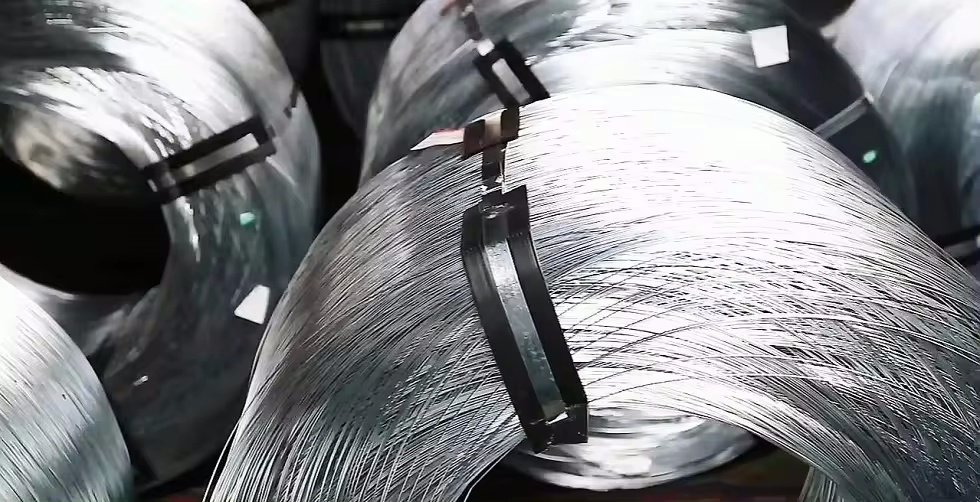
The difference in corrosion resistance between No. 8 galvanized wire and No. 10 galvanized wire is as follows:
Similarities:
Both No. 8 and No. 10 galvanized wires obtain certain corrosion resistance through the galvanizing process. The zinc coating on the surface acts as a barrier to protect the iron wire from direct contact with air, moisture, and other corrosive substances, thereby slowing down the corrosion process.
Differences:
- Thickness and Amount of Zinc Coating: Generally, thicker wires like No. 8 may have a relatively larger surface area per unit length. If the galvanizing process is the same, there may be a slightly higher amount of zinc coating on No. 8 wire. However, this difference is usually not very significant.
- Diameter and Exposure Area: No. 10 wire is thinner. For a given length, it has a smaller cross-sectional area and less metal content. In some cases, a smaller surface area may result in relatively less exposure to corrosive elements, which could potentially make it seem to have slightly better corrosion resistance in certain environments. But on the other hand, thinner wires may be more vulnerable to mechanical damage that can expose the uncoated metal and accelerate corrosion.
- Application and Environmental Impact: The different applications of No. 8 and No. 10 wires can also affect their corrosion resistance. For example, if No. 8 wire is used in a more harsh outdoor environment with heavy mechanical stress and exposure to various corrosive agents, it may show different corrosion characteristics compared to No. 10 wire used in a relatively mild indoor or protected environment.

Addtional Resource
- Exploring the Benefits and Uses of 10 Gauge Galvanized Wire
- How to Choose Galvanized Wire by Gauges?
- Metal Strength Chart: A Detailed Guide to Metal Strengths
- Exploring Different Types of Galvanized Wire
More information


Contact
Phone/WhatsApp:
E-mail:
Address:
Huangtai Industrial Park, Xiaozhan Town,
Jinnan District, Tianjin, 300353, China
Follow us

Inquiry