


The Effects of Rain on Galvanized Wire Corrosion: A Detailed Analysis
Release time:
2024-08-26
Galvanized wire has a certain degree of corrosion resistance due to the zinc coating on its surface. However, when it meets rain, the following factors will affect whether it will be corroded:
Galvanized wire has a certain degree of corrosion resistance due to the zinc coating on its surface. However, when it meets rain, the following factors will affect whether it will be corroded:
1. Protective effect of zinc coating
- The zinc coating acts as a barrier to prevent rainwater from directly contacting the iron wire substrate. Zinc is more reactive than iron, so in the presence of moisture, if the zinc coating is intact, it will sacrifice itself and be oxidized instead of the iron wire, providing electrochemical protection.
- For example, new galvanized wire with a thick and uniform zinc coating is less likely to be corroded when exposed to a small amount of rain.
2. Characteristics of rainwater
- pH value: If the rainwater is acidic (low pH value), it can accelerate the corrosion of the zinc coating. Acid rain, which contains sulfur dioxide and nitrogen oxides from industrial emissions and reacts with water to form acidic substances, is particularly harmful.
- Impurities: Rainwater may contain various impurities such as salts, dust, and organic matter. These impurities can form an electrolyte solution on the surface of the galvanized wire, promoting corrosion. For instance, in coastal areas where rainwater may contain salt, the corrosion risk is higher.
3. Environmental factors
- Humidity: High humidity in the environment can cause water to remain on the surface of the galvanized wire for a long time, increasing the likelihood of corrosion. Even if there is no direct rain, high humidity can still lead to corrosion.
- Temperature: Higher temperatures can accelerate corrosion reactions. In hot and humid climates, the corrosion rate of galvanized wire may be faster.
4. Duration of exposure
- The longer the galvanized wire is exposed to rain, the greater the chance of corrosion. Continuous exposure to rainwater can gradually wear down the zinc coating and expose the iron wire substrate to corrosion.
In conclusion, while galvanized wire has some resistance to corrosion, the combination of rainwater and various factors can lead to corrosion over time. Regular inspection and proper maintenance can help prolong the service life of galvanized wire.
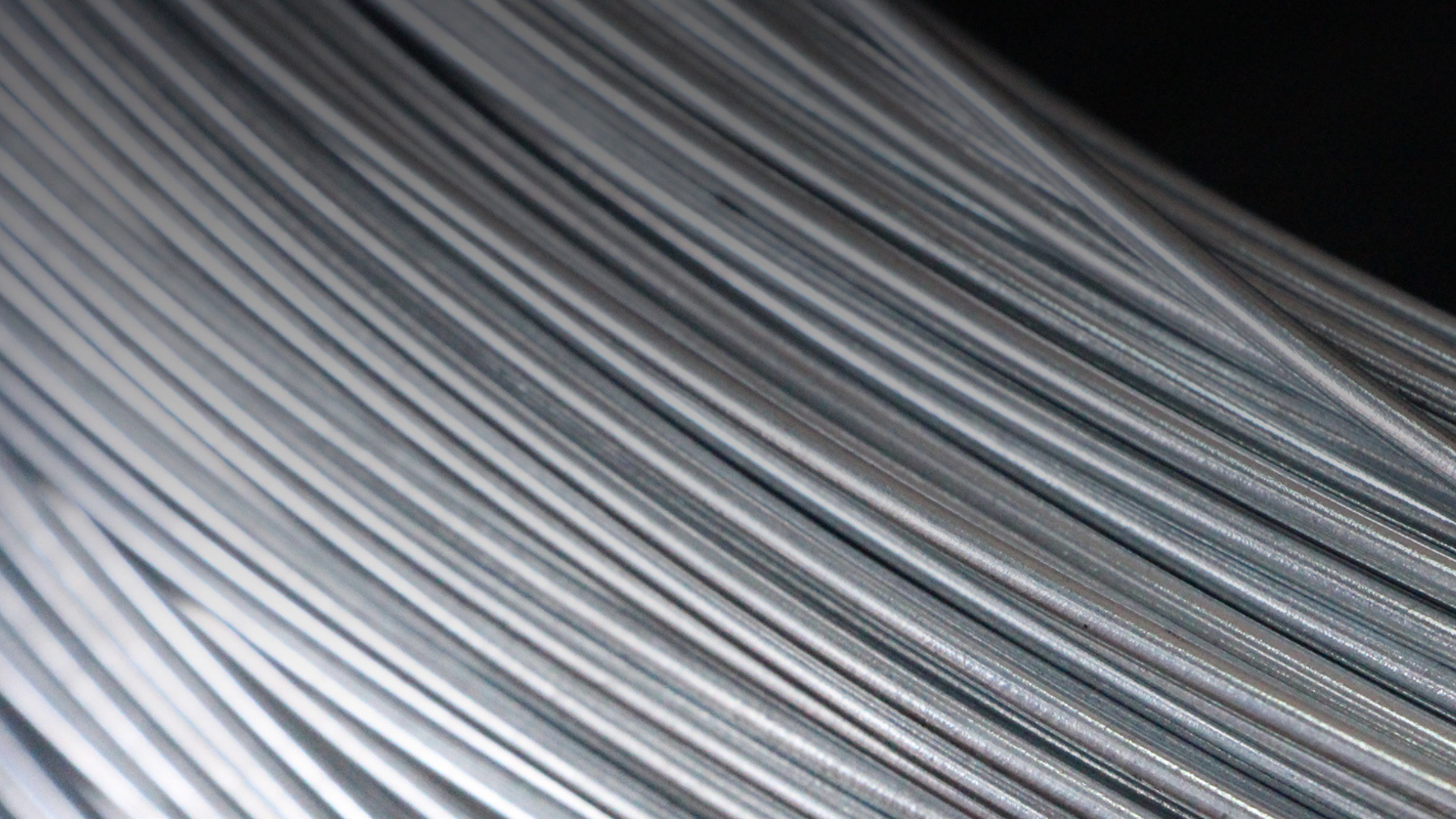
The following factors can affect the corrosion resistance of galvanized wire:
1. Quality of galvanizing
- Thickness of zinc coating: A thicker zinc coating generally provides better corrosion resistance. It can better protect the wire from the corrosive environment and last longer before corrosion occurs.
- Uniformity of coating: A uniform zinc coating without defects such as pinholes, blisters, or uneven thickness is crucial. Defects in the coating can become weak points where corrosion can start more easily.
2. Environmental conditions
- Humidity: High humidity levels increase the risk of corrosion. Moisture in the air can form a thin film of water on the surface of the galvanized wire, providing an environment for corrosion reactions to occur.
- Temperature: Higher temperatures can accelerate corrosion processes. Chemical reactions occur more quickly at elevated temperatures, increasing the rate at which the zinc coating and wire are attacked.
- Presence of corrosive substances: In environments with high levels of pollutants such as sulfur dioxide, nitrogen oxides, or salt (near the ocean or in areas with heavy road salt use), the corrosion rate of galvanized wire can be significantly increased.
3. Mechanical damage
- Scratches, dents, or other forms of mechanical damage to the zinc coating can expose the underlying wire to the environment, making it more susceptible to corrosion. Even a small scratch can act as a starting point for corrosion.
4. Quality of base wire
- The quality of the iron or steel wire before galvanizing also plays a role. If the base wire has impurities or defects, it may affect the adhesion of the zinc coating and the overall corrosion resistance.
5. Storage and handling
- Improper storage conditions, such as exposure to moisture or direct sunlight for long periods, can degrade the zinc coating and reduce corrosion resistance. Rough handling can also damage the coating.

Additional Resources
- What factors affect the corrosion resistance of galvanized iron wire?
- How is the Thickness of Galvanized Iron Wire Classified?
- Galvanized Steel - an overview | ScienceDirect Topics
- The sustainability of galvanized steel | Construction
More information


Contact
Phone/WhatsApp:
E-mail:
Address:
Huangtai Industrial Park, Xiaozhan Town,
Jinnan District, Tianjin, 300353, China
Follow us

Inquiry