


Analysis of the Unique Processing Differences and Price Between Galvanized Wire and Black Wire
Release time:
2024-08-20
Analysis of the specific differences in processing between galvanized wire and black wire:
Analysis of the specific differences in processing between galvanized wire and black wire:
I. Raw material preparation
-
- Generally made by drawing ordinary carbon steel wire rods. The raw material is relatively simple, and the requirements for the steel composition mainly focus on basic properties such as strength and ductility.
- The quality of the wire rod directly affects the quality of the black wire. When choosing raw materials, mainly consider its cost and basic mechanical property indicators.
-
Galvanized wire:
- Also uses carbon steel wire rods as the basic raw material. However, before galvanizing treatment, higher surface quality requirements are imposed on the wire rods.
- Because the quality of the galvanized layer is closely related to factors such as the surface finish and cleanliness of the wire rod. If there are defects on the wire rod surface, it may affect the galvanizing effect.
II. Drawing process
-
Black wire:
- Undergoes multiple drawing passes to gradually reduce the diameter of the wire to achieve the required specification size.
- During the drawing process, mainly control factors such as drawing speed, mold precision, and lubrication conditions to ensure the dimensional accuracy and surface quality of the black wire.
- A certain amount of internal stress may be generated during the drawing process, and appropriate annealing treatment is needed to eliminate the internal stress and improve the flexibility and strength of the black wire.
-
- The drawing process is similar to that of black wire. However, due to the subsequent galvanizing treatment, higher dimensional accuracy requirements are imposed on the drawn wire.
- During the drawing process, similar parameters also need to be carefully controlled to ensure the quality of the wire and provide a good foundation for the galvanizing process.
III. Galvanizing treatment
-
Process methods:
- Hot-dip galvanizing: Immerse the wire in molten zinc to make zinc react with the wire surface to form a solid zinc-iron alloy layer. The coating thickness of hot-dip galvanizing is relatively thick, with good anti-corrosion performance, suitable for occasions with high anti-corrosion requirements.
- Electro-galvanizing: Deposit zinc ions on the wire surface through electrolysis to form a uniform galvanized layer. The coating thickness of electro-galvanizing is relatively thin, and the appearance is relatively bright. The cost is relatively low.
-
Treatment process:
- For hot-dip galvanizing, first, perform surface pretreatment on the wire to remove impurities such as oil stains and rust. Then, go through processes such as pickling and washing to ensure the wire surface is clean. Next, immerse the wire in high-temperature zinc liquid. After a certain period of immersion, take it out and let the excess zinc liquid flow back into the zinc pot. Finally, perform cooling and passivation treatment to improve the corrosion resistance of the galvanized layer.
- The treatment process of electro-galvanizing is relatively simple, mainly including steps such as surface cleaning, electrolytic galvanizing, washing, and passivation. During the electrolysis process, parameters such as current density and electroplating time need to be controlled to ensure the quality of the galvanized layer.
IV. Quality control
-
Black wire:
- Mainly detect mechanical property indicators such as wire diameter, tensile strength, torsion times, and bending times, as well as whether the surface quality is smooth and free of cracks and scratches.
- Through sampling inspection methods, conduct quality inspections on different batches of black wire to ensure that the products meet relevant standards and customer requirements.
-
- In addition to detecting the mechanical property indicators of the wire, also focus on detecting indicators such as the thickness, uniformity, adhesion, and corrosion resistance of the galvanized layer.
- Use professional testing equipment such as coating thickness gauges and salt spray test chambers to strictly test the quality of galvanized wire. At the same time, monitor various parameters in the galvanizing process and adjust process parameters in time to ensure the stability of galvanizing quality.
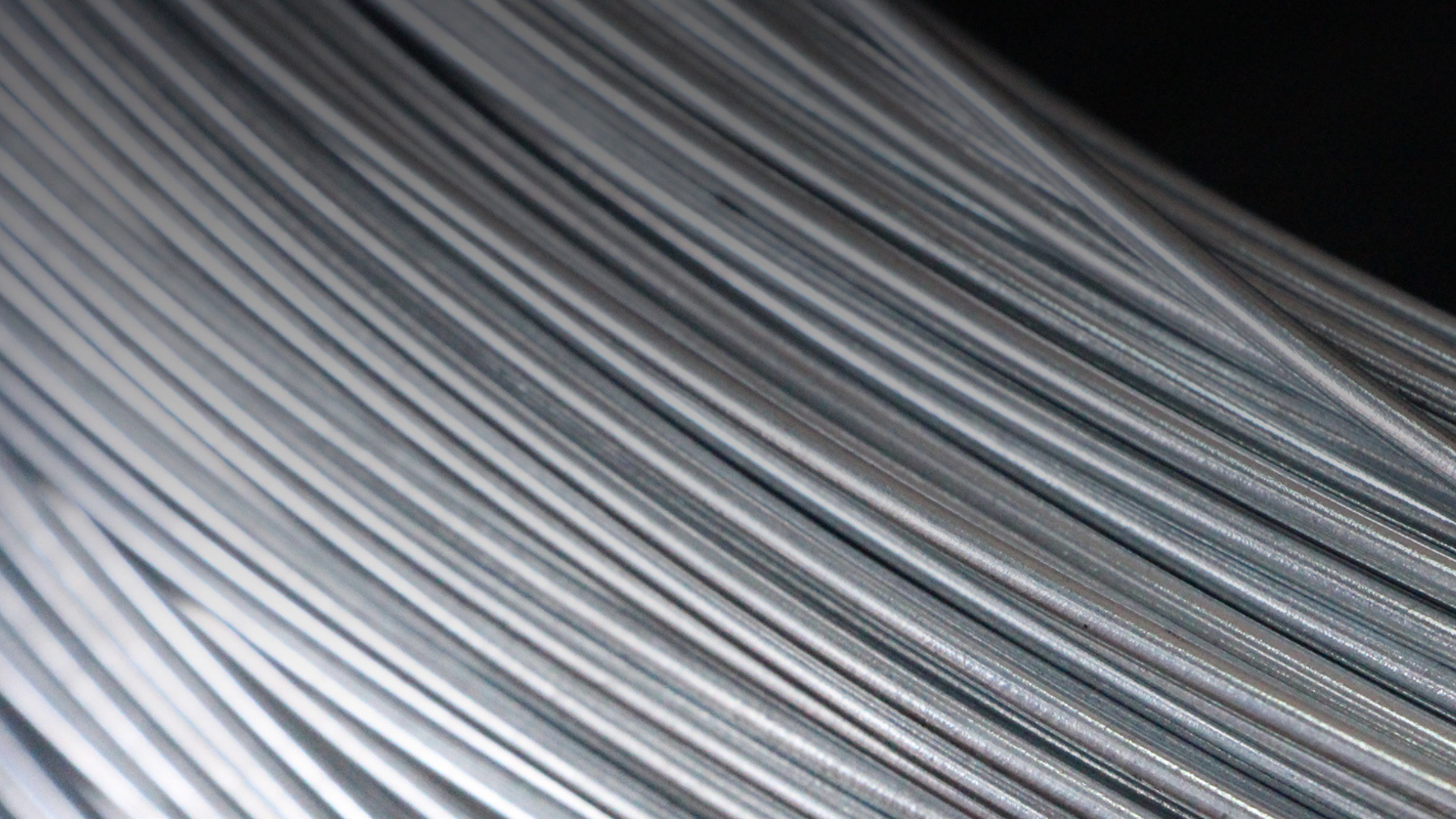
The prices of black wire and galvanized wire can vary depending on factors such as raw material costs, market supply and demand, specification and model, and production process. Here are some approximate price ranges for reference:
- Black wire: Generally, the price of ordinary black wire is relatively low. For example, it may be around 2,800 to 6,000 yuan per ton. However, the specific price will vary with different specifications. Thinner black wire may be relatively cheaper, while thicker black wire will be relatively more expensive135.
- Galvanized wire: Due to the galvanizing treatment, the cost is relatively increased, so the price is usually higher than that of black wire. Commonly, it may range from 3,000 to 8,000 yuan per ton. Additionally, factors such as the galvanizing process (e.g., hot-dip galvanizing or electro-galvanizing) and the thickness of the zinc layer can also affect the price. For instance, hot-dip galvanized wire may be slightly more expensive than electro-galvanized wire, and galvanized wire with a thicker zinc layer will have a correspondingly higher price2.
It should be noted that the above prices are only for reference, and the actual prices may vary due to market conditions, regional differences, and different manufacturers.

Addtional Reosurces
- Black Annealed Baler Wire (300 x 14ft wires)
- Black Coated PVC Galvanised Steel Wire Rope 7x7
- Galvanised Rigging Wire Ropes - Various Types
- Black Annealed Tying Wire Coil
More information


Contact
Phone/WhatsApp:
E-mail:
Address:
Huangtai Industrial Park, Xiaozhan Town,
Jinnan District, Tianjin, 300353, China
Follow us

Inquiry