


Specific Analysis of the Content of Each Element in Galvanized Wire
Release time:
2024-08-19
The main elements in galvanized wire and their content analysis are as follows:
The main elements in galvanized wire and their content analysis are as follows:
- Iron (Fe): It is the main component of galvanized wire, usually accounting for more than 90%. The quality and properties of the iron base material significantly affect the overall performance of the wire.
- Carbon (C): The carbon content is typically relatively low, usually ranging from 0.04% to 0.25%. A moderate increase in carbon can enhance the hardness and strength of the wire, but excessive carbon can lead to brittleness.
- Zinc (Zn): The zinc coating on the surface of the wire is crucial for corrosion resistance. The zinc content varies depending on the galvanizing process and requirements. Commonly, the zinc coating weight can range from a few grams to several hundred grams per square meter.
- Manganese (Mn): Sometimes present in small amounts, manganese can contribute to improving the strength and toughness of the wire.
- Silicon (Si): Silicon can also be present in trace amounts and can affect the microstructure and properties of the steel.
- Phosphorus (P) and Sulfur (S): These are typically impurities and should be kept at very low levels as they can have adverse effects on the mechanical properties and weldability of the wire.
The specific content of each element depends on the grade and specification of the galvanized wire, as well as the manufacturing process and quality standards. Accurate determination of element contents often requires specialized analytical techniques such as spectroscopy or chemical analysis.
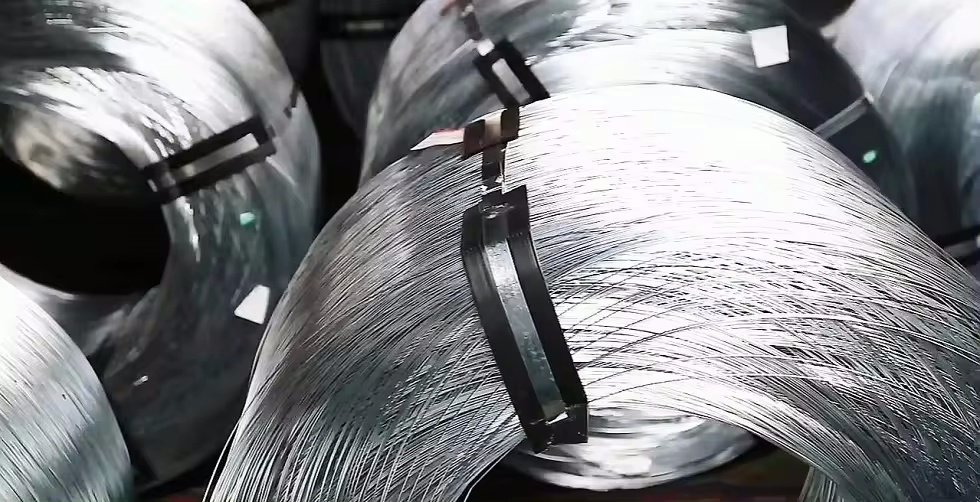
When the carbon content in galvanized wire is excessive, it can have the following specific effects on its performance:
-
Reduced ductility and toughness: Excessive carbon makes the wire more brittle and less able to withstand deformation without cracking or breaking. This can limit its application in situations where flexibility and the ability to absorb shock are important.
-
Decreased weldability: High carbon content makes it more challenging to achieve good welds. Welding may result in cracks or weakened joints, affecting the structural integrity of the wire in welded constructions.
-
Increased hardness: While increased hardness can be beneficial in some cases, it may make the wire more difficult to process and shape during manufacturing or when used in applications that require bending or forming.
-
Poorer fatigue resistance: The wire is more prone to fatigue failure under cyclic loading conditions, reducing its service life in applications with repeated stress.
-
Higher susceptibility to cracking: The brittleness associated with high carbon content increases the risk of cracking, especially in environments with temperature variations or mechanical stress.
-
Reduced corrosion resistance: Although the primary role of galvanization is to provide corrosion protection, a high carbon content in the base metal can potentially affect the adhesion and effectiveness of the zinc coating over time, reducing the overall corrosion resistance of the wire.

Addtional Resources
-
What You Need To Know About: Galvanised Steel Wire
-
Comprehensive Guide to Galvanized Wire
-
GI Wire Guide – Everything About Galvanized Iron Wire
-
Note Studies on defects in galvanized coating on steel wire
More information


Contact
Phone/WhatsApp:
E-mail:
Address:
Huangtai Industrial Park, Xiaozhan Town,
Jinnan District, Tianjin, 300353, China
Follow us

Inquiry