


PVC Coated Wire vs. Galvanized Wire: A Comparison of Service Life
Release time:
2024-08-16
The service life of PVC coated wire and galvanized wire can vary depending on several factors.
The service life of PVC coated wire and galvanized wire can vary depending on several factors.
PVC coated wire typically has a longer service life in many cases. The PVC coating provides an extra layer of protection against moisture, corrosion, and physical damage. If the coating is of good quality and remains intact without cracking or peeling, it can effectively prevent the wire from coming into direct contact with the environment, thus extending its lifespan.
Galvanized wire, on the other hand, relies on a zinc coating to offer protection against rust and corrosion. However, the zinc coating can be compromised over time due to factors such as scratches, abrasions, or exposure to harsh chemicals and extreme environmental conditions. Once the zinc coating is damaged, the wire is more susceptible to corrosion, reducing its service life.
The specific service life of both types of wire also depends on the quality of the coating or galvanization, the environment in which they are used (such as humidity, temperature, and exposure to corrosive substances), and the level of mechanical stress they endure.
In general, under normal conditions and with proper maintenance, PVC coated wire may have a longer service life compared to galvanized wire. But in some cases, where the environment is not highly corrosive and the galvanized coating is of high quality and well maintained, galvanized wire can also provide satisfactory durability.
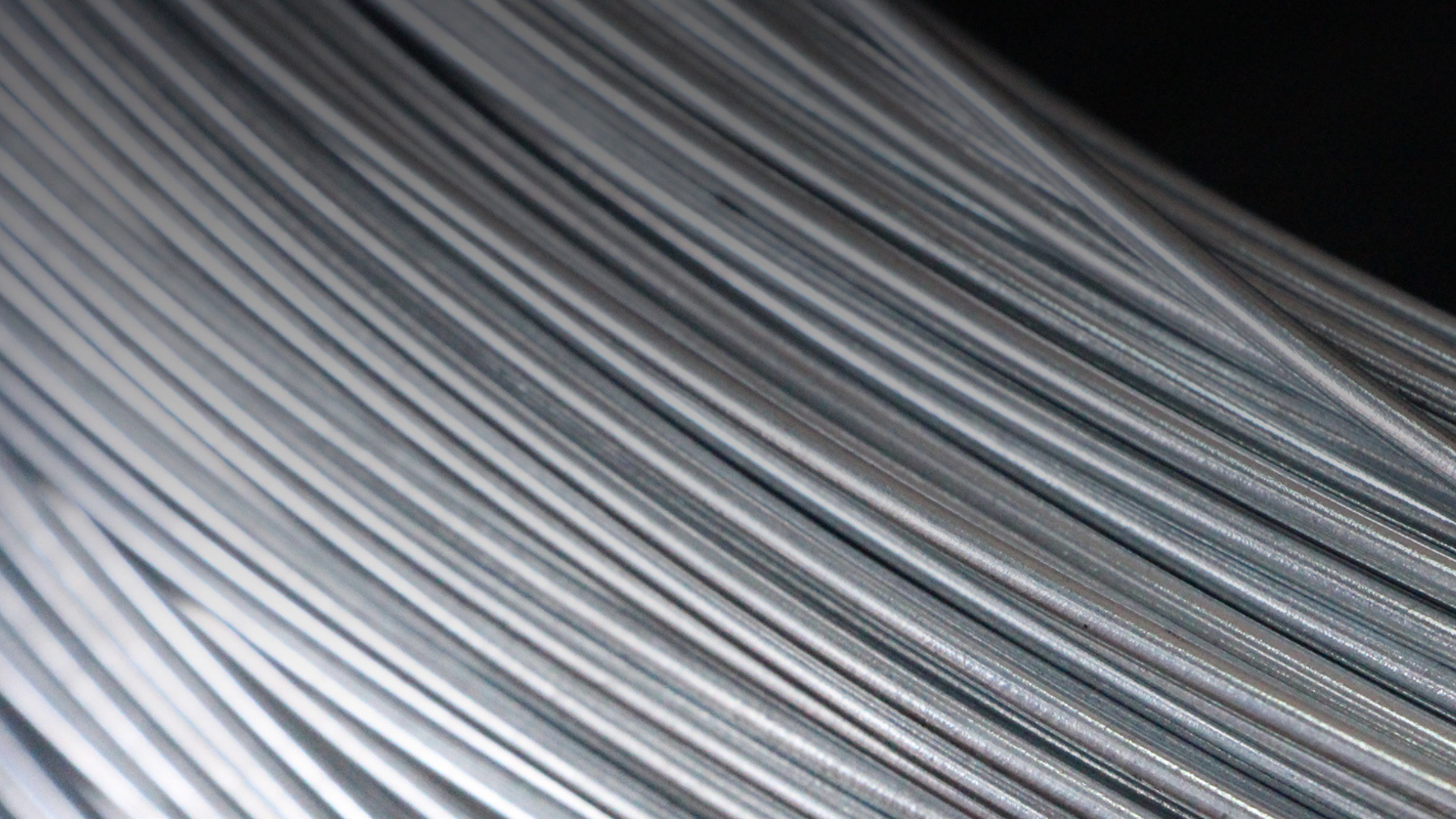
The following are the factors that can affect the service life of PVC coated wire and galvanized wire:
For PVC coated wire:
- Quality of the PVC coating: A high-quality coating that is resistant to UV radiation, chemicals, and temperature variations will provide better protection and extend the wire's lifespan.
- Thickness of the coating: A thicker coating offers more protection against mechanical damage and environmental factors.
- Environmental conditions: Extreme temperatures, high humidity, and exposure to corrosive substances can accelerate the degradation of the PVC coating.
- Mechanical stress: Frequent bending, stretching, or impact can cause the coating to crack or peel off.
For galvanized wire:
- Quality and thickness of the galvanized layer: A thicker and evenly applied galvanized layer provides better corrosion resistance.
- Environmental factors: Harsh environments such as high salt content (near the sea), acidic or alkaline conditions, and pollution can accelerate the corrosion of the galvanized layer.
- Mechanical damage: Scratches, abrasions, or cuts to the galvanized layer expose the underlying wire to corrosion.
- Galvanizing process: The method and quality of the galvanizing process itself influence the durability of the coating.
In conclusion, the service life of both PVC coated wire and galvanized wire is dependent on a combination of these factors, and proper selection and maintenance based on the specific application environment are crucial for maximizing their lifespan.

Additioanal Resources
More information


Contact
Phone/WhatsApp:
E-mail:
Address:
Huangtai Industrial Park, Xiaozhan Town,
Jinnan District, Tianjin, 300353, China
Follow us

Inquiry