


Quality Advantages of Galvanized Wire and Annealed Wire
Release time:
2024-08-12
The quality advantages of galvanized wire and annealed wire are as follows:
The quality advantages of galvanized wire and annealed wire are as follows:
- Corrosion resistance: The zinc coating provides excellent protection against rust and corrosion, significantly extending the service life of the wire, especially in outdoor and humid environments.
- Strength and durability: It retains the mechanical strength of the base wire while adding a protective layer, making it suitable for applications that require both strength and resistance to environmental factors.
- Uniform appearance: The galvanized coating gives a consistent and smooth finish, enhancing the aesthetic appeal in applications where appearance matters.
Annealed wire:
- Flexibility and ductility: Annealing reduces the hardness and increases the flexibility of the wire, allowing it to be easily bent, twisted, and shaped without cracking or breaking.
- Stress relief: The annealing process eliminates internal stresses, reducing the risk of premature failure due to stress concentration.
- Improved workability: It is easier to weld, cut, and form annealed wire, facilitating manufacturing processes and reducing production costs.
- Better formability: Allows for complex shaping and forming operations, making it suitable for applications that require intricate designs.
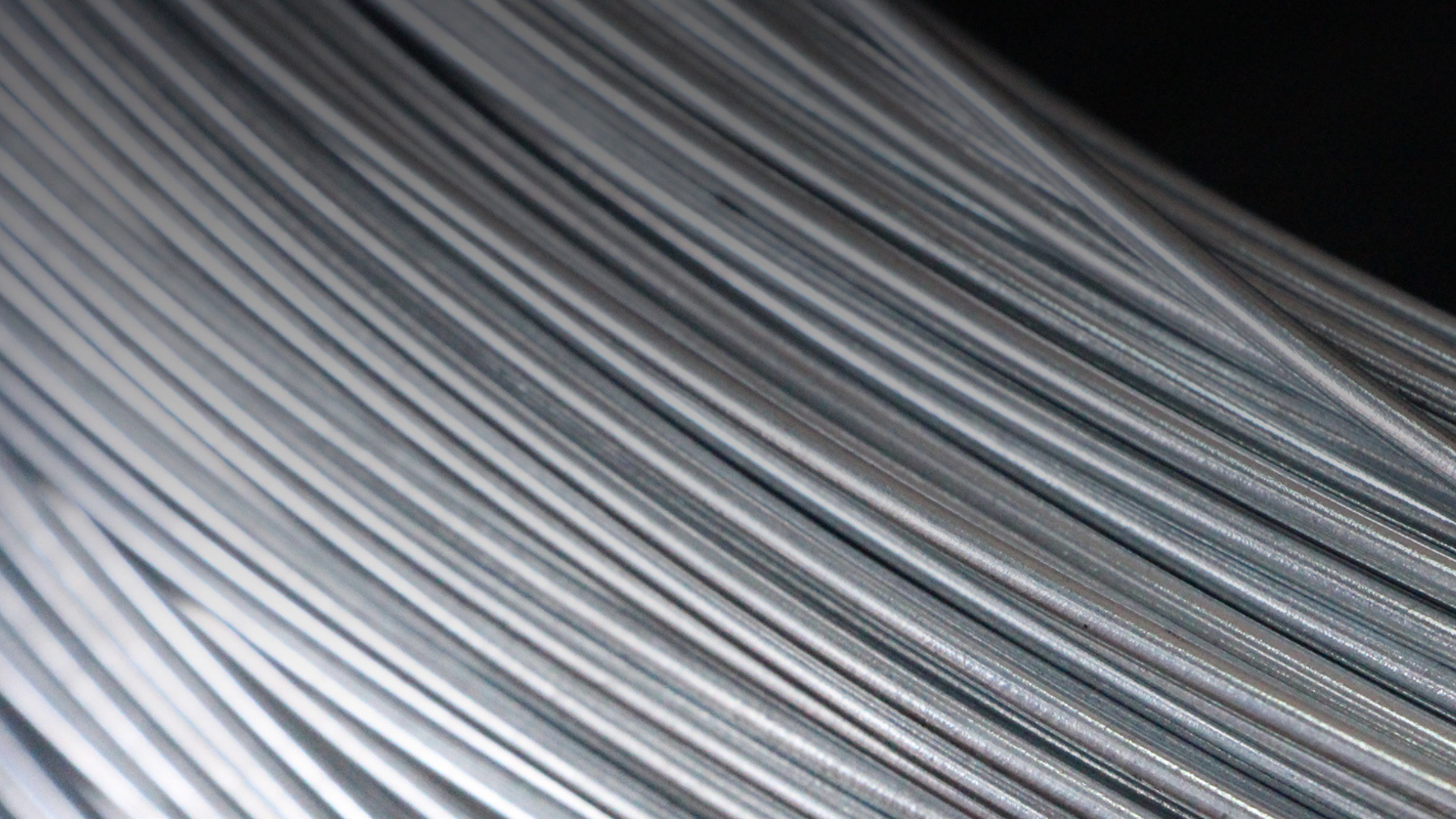
Here are some specific application cases of galvanized wire and annealed wire in different industries:
Construction industry:
- In the construction of scaffolding, galvanized wire is used to fasten the scaffolding tubes together for safety and to prevent rusting in outdoor construction sites that are exposed to various weather.
- It is used in the reinforcement of concrete structures like in making galvanized wire mesh that is embedded in the concrete.
Agricultural industry:
- For making fences around farms and orchards to keep animals in or out and resist corrosion from the environment (rain, moisture in the soil etc.).
- To make wire baskets or containers for carrying and storing agricultural products, with the galvanized layer protecting against degradation from moisture.
Telecommunications industry:
- As a support wire for overhead cables and antennas to provide strength and corrosion resistance in the long term.
Manufacturing industry (general):
- In the production of some metal furniture, as structural or connecting elements.
- For binding heavy-duty products or materials during shipping or storage.
Automotive industry (indirectly):
- In the manufacturing infrastructure of the factories (such as for some conveyors or fixtures) where it can handle the industrial environment.
Annealed wire:
Jewelry industry:
- To make delicate and intricate jewelry pieces like necklaces, bracelets where the wire needs to be bent and shaped easily without breaking.
- For creating wire-wrapped gemstone jewelry.
Electronics industry:
- In some cases for making fine internal connecting wires that may require some flexibility and ease of manipulation during assembly.
- As a component in some spring-like connectors that need to have good elasticity after annealing.
Wire art and handicrafts industry:
- Artists use annealed wire to create sculptures and 3D art forms that involve complex bending and twisting.
- In making decorative wall art pieces.
Packaging industry:
- To make flexible wire ties for bundling packages or products that are not too heavy-duty.
- As a part of some easy-to-open and close packaging mechanisms where the wire needs to be manipulated by end-users.
Spring manufacturing industry:
- The annealed wire is the main raw material for making various small springs (such as those in pens, some small mechanical devices) as it can be formed well into the spring shape and has good resilience.

Additional Resources
-
Annealed Wire vs Galvanized Wire - Which is Right for You?
-
Galvanized vs. annealed baling wire
-
The Benefits of Black Annealed Baling Wire
-
Advantages And Benefits Of Galvanized Iron Wire
More information


Contact
Phone/WhatsApp:
E-mail:
Address:
Huangtai Industrial Park, Xiaozhan Town,
Jinnan District, Tianjin, 300353, China
Follow us

Inquiry