


Specific Analysis of the Precautions for Loading Galvanized Wire in Rainy Weather
Release time:
2024-08-07
Here is a specific analysis of the precautions for loading galvanized wire in rainy weather:
Here is a specific analysis of the precautions for loading galvanized wire in rainy weather:
-
Rainproof Measures:
- Detailed Explanation: Use large and high-quality waterproof tarpaulins or plastic covers to completely enclose the loading area and the galvanized wire. Ensure that the tarpaulin is securely fastened at the edges to prevent rainwater from seeping in.
- Importance: This is the primary measure to directly prevent the galvanized wire from coming into contact with rainwater, minimizing the risk of rust.
- Potential Problems and Solutions: If the tarpaulin is damaged or not fixed tightly, rainwater may infiltrate. Regularly inspect the tarpaulin before use and have spare tarpaulins or repair materials on hand for immediate fixes.
-
Packaging Protection:
- Detailed Explanation: Inspect the packaging of the galvanized wire, such as plastic wraps or cardboard boxes, for any signs of damage or looseness. Reinforce or replace damaged packaging.
- Importance: Good packaging acts as an additional barrier against rainwater and protects the quality of the galvanized wire.
- Potential Problems and Solutions: Packaging may get torn or weakened during handling. Keep extra packaging materials and tools for quick repairs.
-
Loading and Unloading Environment:
- Detailed Explanation: Select a loading and unloading site with a high terrain and good drainage to avoid water accumulation. The site should also have an effective drainage system to remove rainwater promptly.
- Importance: A dry and well-drained environment reduces the exposure of the goods to water and ensures smooth operations.
- Potential Problems and Solutions: If the site has poor drainage, it may cause water to pool. Before loading, check and clear the drainage channels or use pumps if necessary.
-
Vehicle Condition:
- Detailed Explanation: The transport vehicle's cargo compartment should be inspected for any cracks, holes, or rust that could allow rainwater to enter. Ensure that the doors and side panels are sealed tightly.
- Importance: A watertight vehicle compartment protects the galvanized wire during transportation.
- Potential Problems and Solutions: The vehicle's seals may deteriorate during the journey. Regular vehicle maintenance and pre-loading inspections are crucial. Have sealing materials available for emergency repairs.
-
Drying Treatments:
- Detailed Explanation: If the galvanized wire gets wet before loading, try to dry it partially using clean towels or air blowers. Once the goods arrive at the destination, place them in a dry and ventilated area for thorough drying.
- Importance: Prompt drying reduces the chance of rust formation and maintains the integrity of the galvanized coating.
- Potential Problems and Solutions: Inadequate or delayed drying can lead to rust. Have proper drying equipment and designated areas for drying the goods.
-
Strapping and Securing:
- Detailed Explanation: Use strong ropes or straps to firmly secure the galvanized wire bundles to prevent movement and potential damage to the packaging during transportation.
- Importance: Secure strapping ensures the stability of the goods and reduces the risk of damage.
- Potential Problems and Solutions: Loose strapping may cause the goods to shift. Use high-quality strapping materials and double-check the tightness after loading.
-
Personnel Protection:
- Detailed Explanation: Workers involved in the loading and unloading should be equipped with proper rain gear, such as raincoats and boots, to ensure their safety and efficient work.
- Importance: Protecting workers from rain helps prevent accidents caused by slippery surfaces and keeps them comfortable to work effectively.
- Potential Problems and Solutions: Inadequate or inappropriate rain gear may affect work efficiency. Provide suitable and sufficient rain gear and replace as needed.
-
Quality Inspection:
- Detailed Explanation: After loading, conduct a final inspection of the galvanized wire, checking for any signs of rust, damaged packaging, or other quality issues. Record and report any problems found.
- Importance: Quality inspection helps identify potential problems early and allows for timely corrective actions.
- Potential Problems and Solutions: Problems may go unnoticed. Train inspectors to be meticulous and establish a strict inspection and reporting protocol.
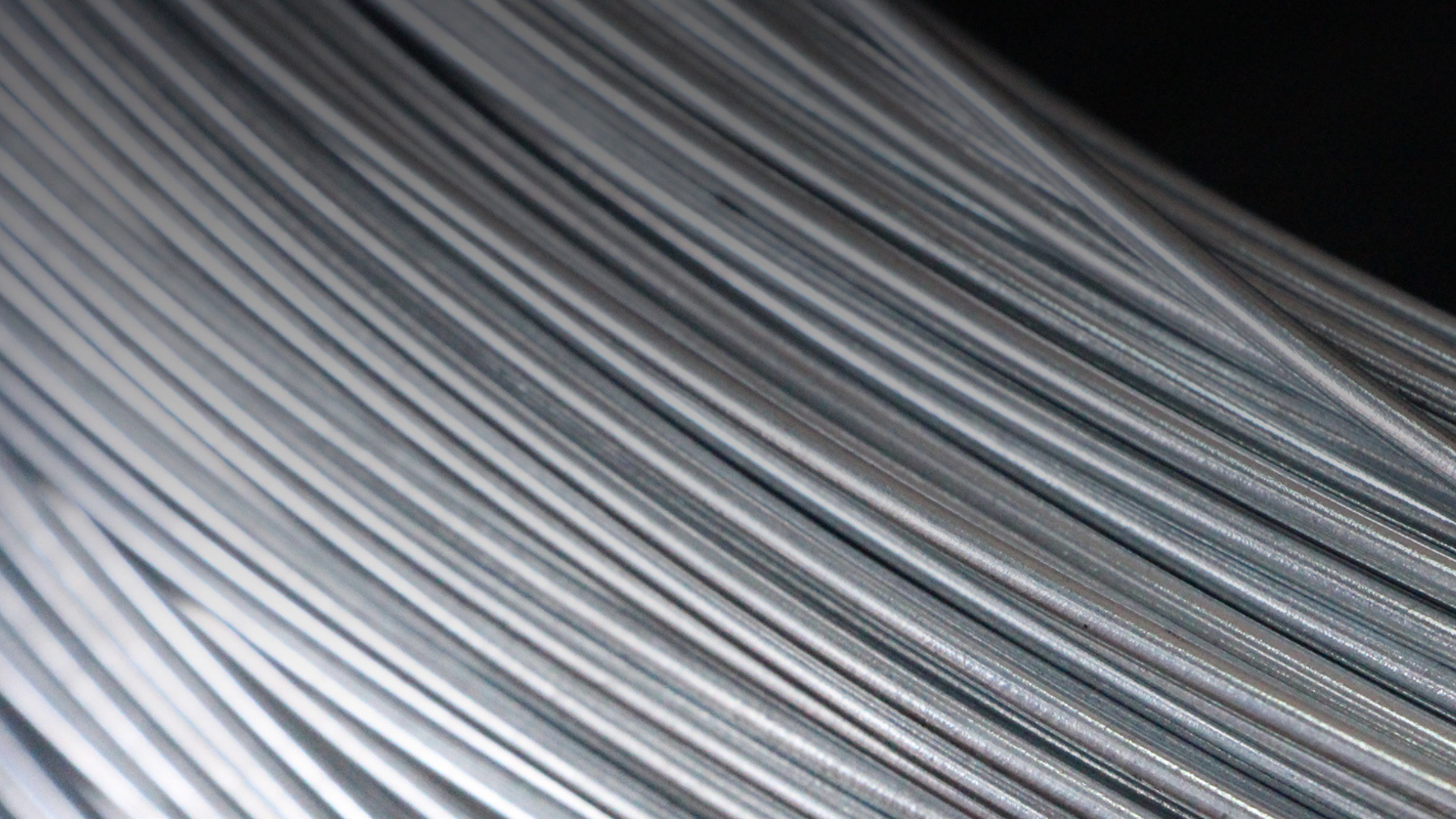
During the loading and unloading process of galvanized wire, the following measures can be taken to ensure that the goods are not wetted by rain:
-
Prepare adequate rain protection equipment in advance: This includes large waterproof tarpaulins, plastic sheeting, and rain covers. Make sure the tarpaulins and sheeting are large enough to fully cover the goods and the loading/unloading area.
-
Choose the right loading and unloading location: Select a site with higher ground and good drainage to prevent water from pooling. The area should also be sheltered from the direction of the prevailing wind to minimize the impact of rain.
-
Pay close attention to the weather forecast: Try to schedule the loading and unloading operations during dry weather. If rain is expected, adjust the schedule or take additional precautions.
-
Improve the efficiency of the loading and unloading process: Well-trained workers and proper equipment can speed up the operation, reducing the exposure time of the goods to the rain.
-
Install temporary rain shelters: If possible, construct simple shelters using materials like scaffolding and tarpaulins to provide immediate protection from the rain.
-
Use appropriate packaging materials: Choose waterproof or water-resistant packaging for the goods to add an extra layer of protection.
-
Ensure the sealing of the transport vehicles: Check that the compartments of trucks or containers are leak-proof and free of cracks or holes that could allow rainwater in.
-
Train workers on rain protection procedures: Make sure they know how to handle the goods and cover them properly in case of rain.
-
Continuously monitor the weather conditions during the operation: Be ready to take immediate action if the rain starts or intensifies.
-
Have contingency plans in place: In case the goods do get wet, have a plan for drying or taking appropriate remedial measures.
Addtional Resources
-
25 Safety Guidelines for Iron & Steel Sector
-
Chapter 8 Safety Standards for Electrical Installations
-
Safe Work Practices for Handling Lead
-
Code of Safe Working Practices for Merchant Seafarers
More information


Contact
Phone/WhatsApp:
E-mail:
Address:
Huangtai Industrial Park, Xiaozhan Town,
Jinnan District, Tianjin, 300353, China
Follow us

Inquiry