


Galvanized Wire Comparison: Ordinary Zinc vs. High Zinc Layers
Release time:
2024-08-06
The ordinary zinc layer and high zinc layer of galvanized wire have the following main differences and comparative analyses:
The ordinary zinc layer and high zinc layer of galvanized wire have the following main differences and comparative analyses:
-
Zinc coating thickness:
- The ordinary zinc layer has a relatively thinner coating thickness.
- The high zinc layer has a significantly thicker coating, providing better protection against corrosion.
-
Corrosion resistance:
- Due to the thinner zinc layer, galvanized wire with an ordinary zinc layer has relatively weaker corrosion resistance and may have a shorter service life in harsh environments.
- Galvanized wire with a high zinc layer offers stronger anti-corrosion properties and can remain rust-free for a longer time in more demanding conditions.
-
Appearance:
- The surface of galvanized wire with an ordinary zinc layer may appear duller.
- The surface of galvanized wire with a high zinc layer is typically brighter and smoother.
-
Price:
- Galvanized wire with an ordinary zinc layer is usually more economical due to lower production costs.
- Galvanized wire with a high zinc layer is often more expensive because of the thicker zinc coating and more complex production process.
-
Application scenarios:
- Galvanized wire with an ordinary zinc layer is suitable for environments with moderate corrosion resistance requirements, such as indoor decoration and simple fences.
- Galvanized wire with a high zinc layer is more appropriate for long-term exposure to outdoor and highly corrosive environments, such as marine environments and chemical industrial areas.
In conclusion, when choosing between galvanized wire with an ordinary zinc layer and a high zinc layer, the specific usage environment and corrosion resistance requirements should be considered to achieve the best cost performance and usage effect.
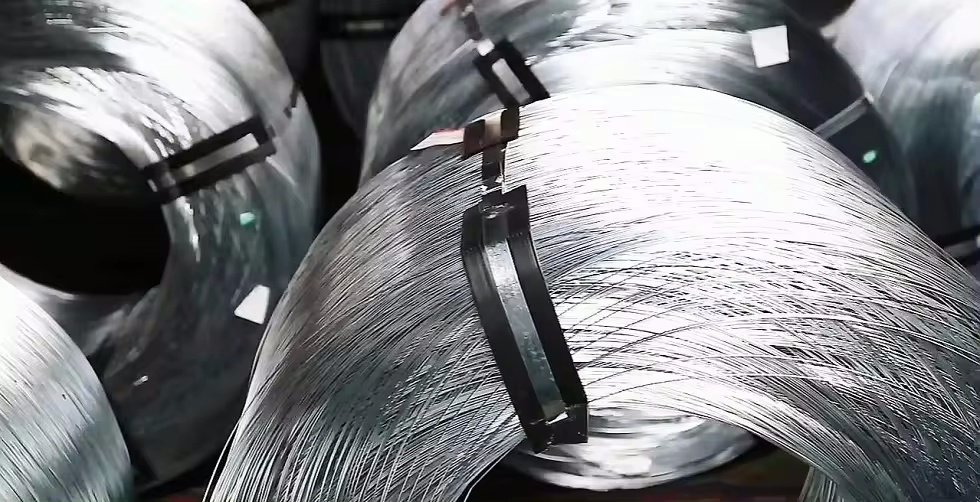
The service life of ordinary zinc layer and high zinc layer galvanized wire is affected by several factors. Here is a specific analysis:
Ordinary Zinc Layer Galvanized Wire:
- In a dry and protected indoor environment, it may last for approximately 3 to 5 years. However, if the indoor environment is humid or has chemical contaminants in the air, its lifespan could be reduced to 2 to 3 years.
- When exposed to an outdoor environment with normal weather conditions and without significant corrosive elements, it might endure for 2 to 3 years. But in coastal areas with high salt content in the air or industrial areas with heavy pollution, the service life could be as short as 1 to 2 years due to the enhanced corrosive effects.
High Zinc Layer Galvanized Wire:
- In a dry and clean indoor setting, it can potentially last for 10 to 20 years or even longer.
- In a typical outdoor environment, such as a rural or urban area, it usually lasts for 8 to 10 years. Even in harsher outdoor conditions like coastal regions or near chemical plants, it can still remain functional for 5 to 8 years. However, in extremely adverse circumstances with intense acid rain or highly concentrated salt spray, its lifespan might be shortened, but it is likely to last for at least 3 to 5 years.
It should be noted that these are general estimations, and the actual service life can vary depending on factors such as the quality of the galvanized wire, installation methods, protective measures, and subsequent maintenance.

Additional Resources
-
How long do galvanized coatings last?
-
Understanding the Durability of Galvanized Wire
-
GALVANIZING AND SUSTAINABLE CONSTRUCTION
-
Guide to the durability of hot dip galvanized steel
More information


Contact
Phone/WhatsApp:
E-mail:
Address:
Huangtai Industrial Park, Xiaozhan Town,
Jinnan District, Tianjin, 300353, China
Follow us

Inquiry