


What is the Detailed Process of Galvanized Wire Packaging
Release time:
2024-08-02
The detailed process of galvanized wire packaging typically includes the following steps:
The detailed process of galvanized wire packaging typically includes the following steps:
-
Preparation:
- Gather the necessary packaging materials such as plastic bags, cardboard boxes, strapping bands, labels, and protective padding.
- Ensure the work area is clean and organized.
-
Inspection and Sorting:
- Inspect the galvanized wire for quality and conform to the specified standards.
- Sort the wire based on size, length, or other designated criteria.
-
Coiling or Bundling:
- If the wire is in a long length, coil it neatly to form a compact roll.
- For shorter pieces, bundle them together tightly.
-
Inner Packaging:
- Place the coiled or bundled wire into a plastic bag to provide initial protection from moisture and dust.
- Seal the plastic bag securely.
-
Placement in Box (if applicable):
- Put the packaged wire into a cardboard box, ensuring a proper fit without excessive space or tight compression.
-
Padding and Stabilization:
- Add padding materials like foam or crumpled paper inside the box to prevent movement and protect the wire during transportation.
-
Labeling:
- Affix labels on the box indicating product details such as type, size, quantity, manufacturing date, and batch number.
-
Strapping:
- Use strapping bands to secure the box and keep it from opening during handling.
-
Final Inspection:
- Check the packaged items for completeness and proper sealing.
-
Storage and Shipping:
- Store the packaged galvanized wire in a dry and safe area until it's ready for shipping.
The specific packaging process may vary depending on the requirements of the manufacturer, the nature of the galvanized wire, and the destination of the shipment.
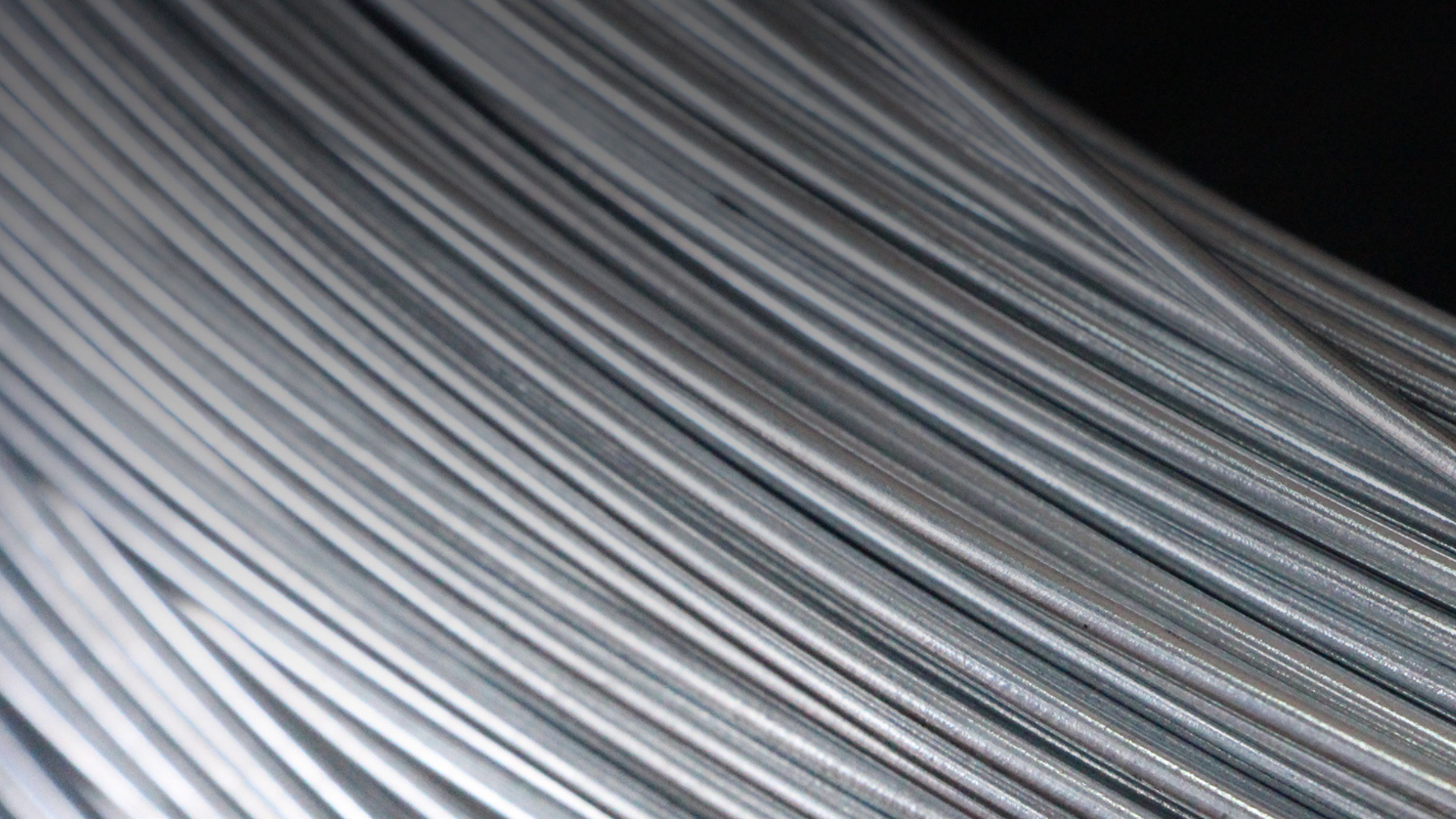
The protective effects of packaging materials of different materials on galvanized wire can vary significantly.
Here are some common differences:
Plastic Packaging Materials (such as polyethylene or polypropylene):
- Excellent moisture resistance, preventing water and moisture from reaching the galvanized wire and reducing the risk of rust.
- Good chemical resistance, protecting the wire from exposure to potentially harmful substances.
- Can provide a tight seal to keep out dust and debris.
Paper Packaging Materials (cardboard or kraft paper):
- Less effective at preventing moisture penetration compared to plastic. Moisture can seep through over time.
- Offers some protection against physical damage but is not as resilient as plastic.
- May be more environmentally friendly and recyclable.
Metal Packaging Materials (such as tin or aluminum):
- Provide very good physical protection, offering high resistance to impact and compression.
- Can offer good barrier properties against moisture and other elements, but may be more expensive.
Fabric Packaging Materials (such as canvas or woven polyester):
- Moderate resistance to physical damage but not as good as metal or hard plastic.
- Moisture resistance depends on the fabric treatment but is generally lower than plastic.
Composite Packaging Materials (combinations of different materials like plastic and paper laminates):
- Can combine the advantages of the component materials, providing a balance of moisture resistance, physical protection, and cost-effectiveness.
In summary, plastic packaging materials tend to offer the best moisture resistance, while metal provides superior physical protection. Paper and fabric have their own characteristics and are often chosen based on specific requirements and cost considerations. The choice of packaging material depends on factors such as the storage environment, transportation conditions, and the expected shelf life of the galvanized wire.

Additional Resources
- A Guide to Galvanized Wire Manufacturing
- Steel Protection By Hot Dip Galvanizing
- Hot Dipped Gal. Wire, Zinc Coated Mild Steel Wire
- Hot Dip Galvanized Iron Wire - Wire Mesh Company
More information


Contact
Phone/WhatsApp:
E-mail:
Address:
Huangtai Industrial Park, Xiaozhan Town,
Jinnan District, Tianjin, 300353, China
Follow us

Inquiry