


What Problems will Galvanized Wire Encounter During the Galvanizing Process?
Release time:
2024-08-01
During the galvanizing process of galvanized wire, the following problems may be encountered:
During the galvanizing process of galvanized wire, the following problems may be encountered:
-
Uneven galvanized coating: This can result in some areas having either too thick or too thin coating, affecting the anti-corrosion performance and appearance quality of the product.
-
Poor adhesion of the galvanized coating: It may cause the coating to flake or peel off easily, reducing the durability of the galvanized wire.
-
Rough surface: Making the surface of the galvanized wire not smooth enough, influencing its use and aesthetics.
-
Zinc nodules and zinc spikes: Protruding zinc lumps or sharp zinc spikes form on the galvanized surface, which may scratch or damage other items.
-
Insufficient thickness of the galvanized coating: Unable to provide adequate anti-corrosion protection, shortening the service life of the galvanized wire.
-
Unstable composition of the galvanizing solution: Affecting the effect and quality of galvanizing.
-
Contamination by impurities: Impurities mixed into the galvanizing solution may lead to coating quality issues.
-
Improper control of temperature and current: Resulting in the performance of the galvanized coating not meeting the requirements.
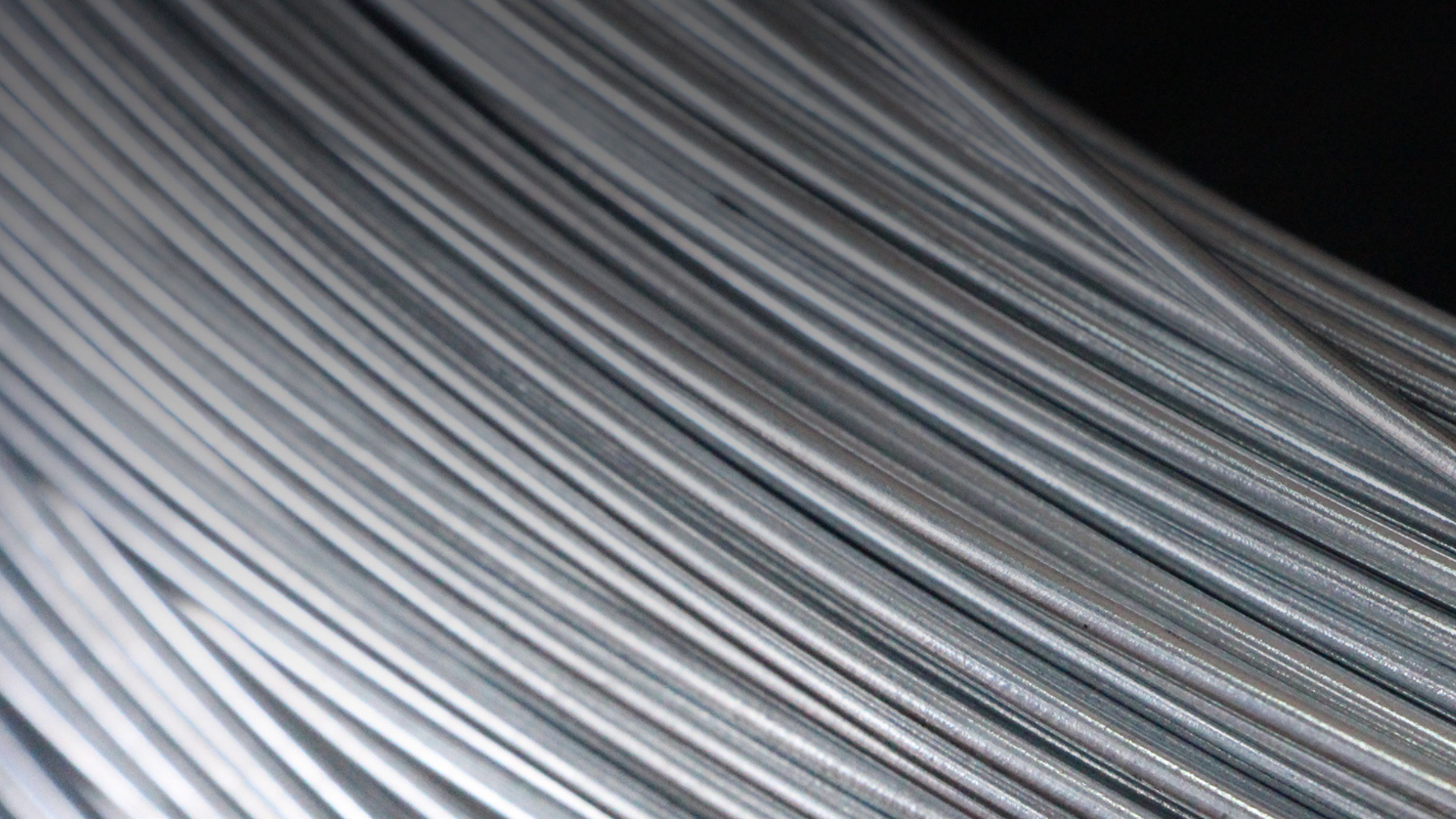
To solve the problem of an uneven galvanized layer of galvanized wire, the following methods can be considered:
-
Optimize the galvanizing equipment: Ensure a reasonable design of the galvanizing tank to guarantee the uniform flow and coverage of the galvanizing solution on the galvanized wire. Regularly inspect and maintain the equipment to ensure its normal operation, such as the stirring device and heating device.
-
Control the composition of the galvanizing solution: Regularly detect and adjust the composition of the galvanizing solution to maintain the concentration of zinc ions, additives, etc. within the appropriate range to ensure the uniformity of the galvanizing reaction.
-
Improve the galvanizing process parameters: Precisely control the process parameters such as temperature, current density, and immersion time during galvanizing. Through experiments and experience summaries, find the most suitable process conditions.
-
Enhance the pretreatment quality: Before galvanizing, conduct thorough pretreatment such as degreasing, pickling, and water washing on the steel wire to ensure the surface of the steel wire is clean and uniform, so that the galvanized layer can adhere uniformly.
-
Strengthen stirring: Adopt an appropriate stirring method and intensity to fully mix the galvanizing solution during the galvanizing process and reduce local concentration differences.
-
Control the movement speed and posture of the steel wire: Ensure the steel wire moves at a uniform speed in the galvanizing tank and maintains an appropriate posture to avoid local poor contact or excessive exposure.
-
Regularly clean the galvanizing tank: Remove sediments and impurities in the tank to prevent them from affecting the performance of the galvanizing solution and the uniformity of the galvanized layer.
By comprehensively adopting the above measures, the problem of an uneven galvanized layer of the galvanized wire can be effectively improved and the quality of the galvanized wire can be enhanced.

Addional Resources
-
News - Common problems of galvanized steel coil
-
Corrosion Fatigue Degradation Characteristics
-
Hot-dip galvanized steel varieties, uses, production
-
Surface Defects and their Control in Hot Dip Galvanized
More information


Contact
Phone/WhatsApp:
E-mail:
Address:
Huangtai Industrial Park, Xiaozhan Town,
Jinnan District, Tianjin, 300353, China
Follow us

Inquiry