


How is the Thickness of Galvanized Iron Wire Classified?
Release time:
2024-07-18
The thickness of galvanized iron wire is typically classified based on its diameter. Common standards include:
The thickness of galvanized iron wire is typically classified based on its diameter. Common standards include:
- Metric gauge standards: Different diameters correspond to specific gauge numbers.
- In some regions, other standards such as the British Standard Wire Gauge (BSWG), American Wire Gauge (AWG), etc., might be used.
The specific classification and standards can vary depending on the industry and application. Generally, the choice of the appropriate thickness of galvanized iron wire depends on factors such as the intended use, load-bearing requirements, and environmental conditions.
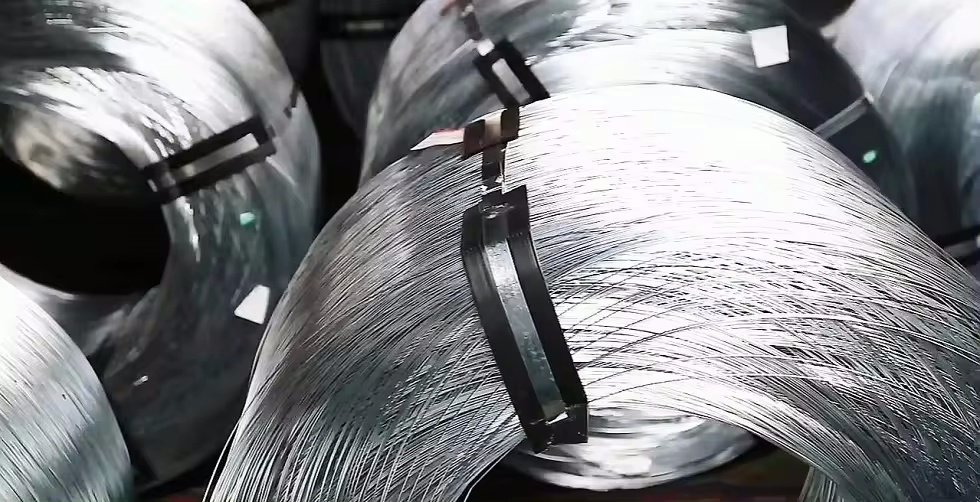
When choosing the appropriate thickness of galvanized iron wire based on the usage scenario and requirements, several factors need to be considered:
- Load and stress: If the wire is going to bear heavy loads or significant stress, such as in supporting structures or for heavy-duty fencing, a thicker wire with a larger diameter is necessary. Thicker wires, like those with diameters of 3.5mm or more, provide greater strength.
- Fencing and barrier purposes: For security fences or barriers that need to prevent large-scale intrusion, a thicker wire, typically around 2.8mm to 4.0mm, offers better durability and resistance. For decorative or light-duty barriers like those in gardens, a thinner wire of 1.6mm to 2.2mm might suffice.
- Binding and tying applications: When used for binding or tying lightweight items or in applications where the stress is minimal, thinner wires such as 0.7mm to 1.2mm are usually adequate.
- Environmental conditions: If the wire will be exposed to harsh outdoor environments with extreme weather or corrosive elements, a thicker wire with better corrosion resistance might be preferred.
- Aesthetic requirements: In some cases where the appearance is important, the thickness of the wire might be chosen to match the overall design. Thinner wires can give a more delicate look, while thicker wires can provide a more robust and industrial appearance.
- Cost: Thicker wires are usually more expensive. Consider the budget and choose the wire thickness that offers the best balance between performance and cost.
By carefully assessing these factors, you can select the galvanized iron wire thickness that best suits your specific usage scenario and requirements.

Additionl Resources
- Measurement of the Thickness of Hot Dipped Galvanizing
- How to Choose Galvanized Wire by Gauges?
- Choosing the Right Galvanized Steel for Construction
- Measuring Galvanizing Thickness | Resources
More information


Contact
Phone/WhatsApp:
E-mail:
Address:
Huangtai Industrial Park, Xiaozhan Town,
Jinnan District, Tianjin, 300353, China
Follow us

Inquiry