


How thick should the galvanizing coating on iron wire be for different applications?
Release time:
2024-06-04
The required thickness of the galvanizing coating on iron wire can vary depending on the specific application:
The required thickness of the galvanizing coating on iron wire can vary depending on the specific application:
For general outdoor uses and mild environments, a coating thickness of around 40-80 microns might be sufficient.
In more corrosive environments such as coastal areas or industrial settings, a thickness of 80-150 microns or even more could be necessary to provide better corrosion protection.
For applications where extremely high durability and long service life are crucial, such as in some heavy-duty industrial or marine applications, a coating thickness of over 150 microns might be preferred.
It's important to note that these are just general guidelines, and actual requirements can be determined based on factors such as the expected lifespan, exposure conditions, and specific industry standards or customer specifications for the particular application.
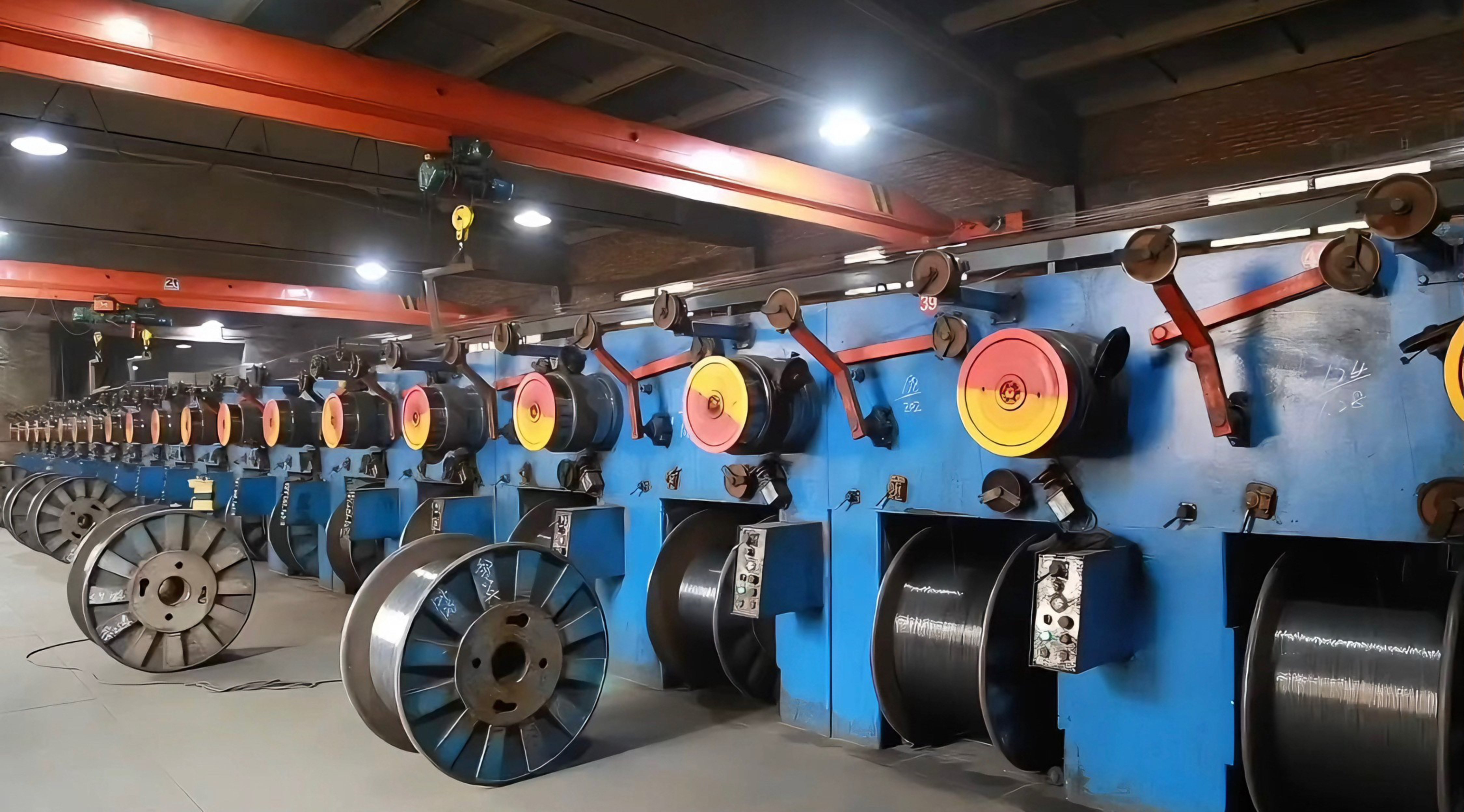
What are the advantages of hot-dip galvanizing over other galvanizing wire processes?
The advantages of hot-dip galvanizing compared to other galvanizing processes include:
- Thicker and more durable coating: It typically results in a relatively thick zinc coating that offers excellent corrosion resistance and long-term protection.
- Good adhesion: The coating adheres strongly to the iron wire, ensuring its integrity over time.
- Versatility: It can be applied to a wide range of wire shapes and sizes.
- Cost-effectiveness for large-scale production: It is often more economically viable for high-volume applications.
- Resistance to mechanical damage: The thick coating provides better resistance to impacts and abrasions.
- Longevity: Can provide many years of reliable protection even in harsh environments.
- Industry acceptance: It is a well-established and widely used process, meeting common industry standards.
- Simplified process: Relatively straightforward compared to some other techniques.
- Less affected by surface imperfections: Can still form a good coating even on surfaces with minor irregularities.
Addtional Resources
-
The benefits of hot dip galvanizing - Services
-
11 reasons why you must galvanise steel
-
The Pros and Cons of Galvanized Steel
-
Hot-Dip Galvanizing: Purpose, Process, and Uses
More information


Contact
Phone/WhatsApp:
E-mail:
Address:
Huangtai Industrial Park, Xiaozhan Town,
Jinnan District, Tianjin, 300353, China
Follow us

Inquiry