


Tips for Deciding on the Galvanizing Process for Iron Wire
Release time:
2024-06-04
When choosing the galvanizing process for your iron wire, consider the following factors:
When choosing the galvanizing wire process for your iron wire, consider the following factors:
- Desired quality and performance: Determine the level of corrosion resistance, coating thickness, and other quality attributes you require. Different galvanizing processes may offer varying degrees of these.
- Budget: Consider the cost implications of different processes. Some may be more expensive initially but might offer better long-term value.
- Production volume: If you have a large production volume, a process that is more efficient and scalable might be preferred.
- Complexity of the wire design: Some processes may be more suitable for wires with specific shapes or configurations.
- Availability of equipment and expertise: Ensure that you have access to the necessary equipment and trained personnel to carry out the selected process.
- Environmental impact: Consider processes that are more environmentally friendly and compliant with regulations.
- Compatibility with downstream processes: Think about how the galvanized wire will be further processed or used and choose a process that is compatible.
- Industry standards and customer requirements: Meet the standards and demands of your industry and customers.
- Longevity and maintenance requirements: Evaluate how the different processes affect the wire's lifespan and any maintenance needs.
- Testability: Ensure the process allows for easy quality testing and verification of the galvanized coating.
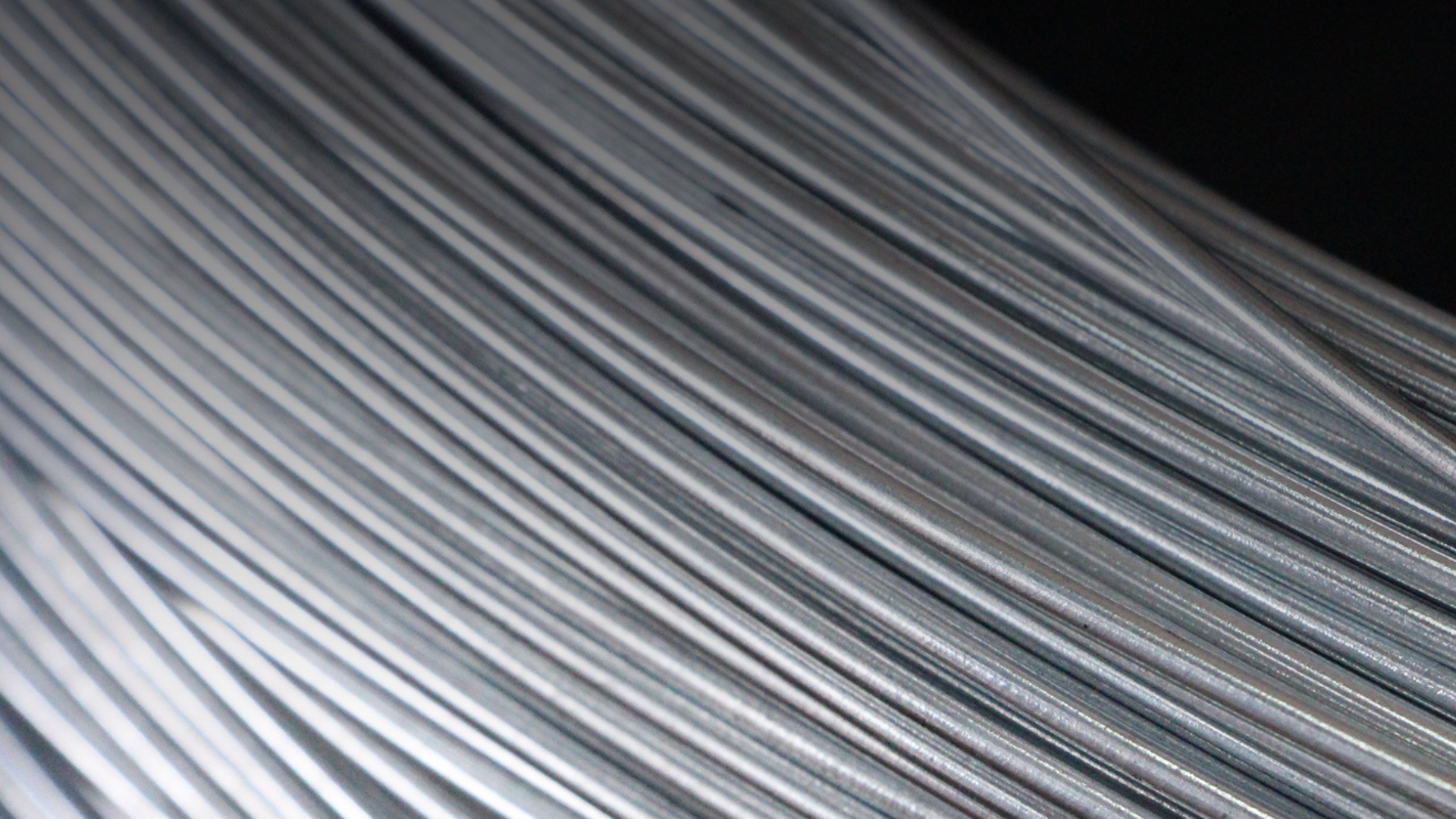
What are the typical galvanizing processes?
Some typical galvanizing wire processes include:
Hot-dip galvanizing: This is a widely used process where the iron wire is immersed in a bath of molten zinc. It results in a thick, durable zinc coating.
Electro-galvanizing: Here, an electric current is used to deposit zinc onto the wire. It provides a thinner but more uniform coating.
Sherardizing: It involves heating the wire in a closed container with zinc powder to form a zinc coating.
Mechanical galvanizing: The wire is tumbled with zinc powder and other media to create the coating. This process is suitable for certain applications.
Additional Resources
-
Hot Dip Galvanized Iron Wire - Wire Mesh Company
-
Step-by-Step Explanation of the Hot Dip Galvanizing Process
-
What are the Different Methods of Galvanization?
-
what is the best binding method in hot-dip galvanizing?
More information


Contact
Phone/WhatsApp:
E-mail:
Address:
Huangtai Industrial Park, Xiaozhan Town,
Jinnan District, Tianjin, 300353, China
Follow us

Inquiry