


What are the requirements for temperature and time of high zinc galvanized iron wire?
Release time:
2024-06-04
The requirements for the galvanizing temperature and time of high zinc galvanized iron wire are as follows:
The requirements for the galvanizing temperature and time of high zinc galvanized iron wire are as follows:
Galvanizing Temperature: It usually needs to be maintained within a certain range, typically around 440-480 degrees Celsius. Precise temperature control is crucial to ensure proper zinc coating formation. If the temperature is too low, the zinc coating may not adhere well or be insufficiently thick; if it is too high, it may lead to quality issues such as excessive zinc oxidation or poor coating properties.
Galvanizing Time: This also depends on various factors such as the wire diameter and the desired zinc coating thickness. Generally, it can range from several seconds to tens of seconds. A suitable galvanizing time is necessary to achieve the desired zinc coverage and coating quality. Too short a time may result in an incomplete or thin coating, while too long a time might cause unnecessary consumption of zinc or potential negative effects on the coating structure.
It should be noted that these are general guidelines, and in actual production, continuous optimization and adjustment based on specific conditions and quality requirements are necessary to achieve the best galvanizing results.
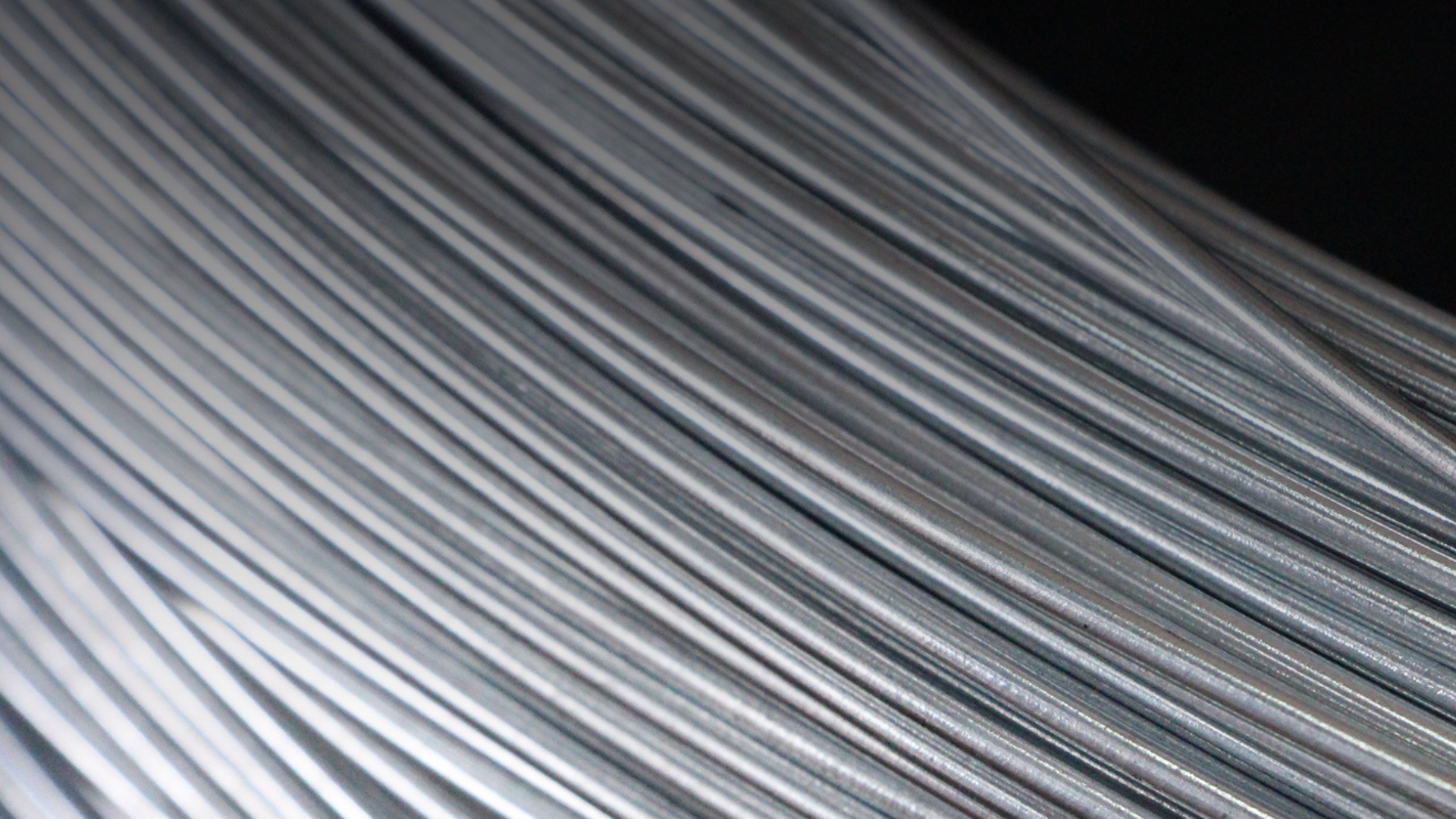
The effects of incorrect galvanizing temperature and time on the quality of the galvanized iron wire can be significant:
If the galvanizing temperature is too low:
- The zinc coating may not adhere firmly to the iron wire, increasing the risk of delamination or flaking.
- The coating may be incomplete or patchy, leaving areas unprotected.
- The coating thickness may be insufficient, reducing the corrosion resistance.
If the galvanizing temperature is too high:
- The zinc may oxidize more easily, resulting in a rough and porous coating surface.
- The coating may become brittle, increasing the likelihood of cracking.
- Excessive heat can also affect the mechanical properties of the iron wire itself.
Regarding incorrect galvanizing time:
- If the time is too short, similar to a low temperature, there may be insufficient coating thickness and poor adhesion.
- On the other hand, if the time is too long, it can lead to overly thick coatings that may be prone to cracking and may also waste zinc resources. It can also potentially cause distortion or other quality issues in the wire.
Addtional Resources
-
The Influence of Galvanizing on the Surface Quality
-
Hot Dip Galvanizing | Galvan Industries, Inc
-
Quality Improvement for Steel Wire Coating
-
Failure Evaluation of Galvanized High Carbon Steel Spring
More information


Contact
Phone/WhatsApp:
E-mail:
Address:
Huangtai Industrial Park, Xiaozhan Town,
Jinnan District, Tianjin, 300353, China
Follow us

Inquiry