


Provide a sample of the testing standard for the thickness of the zinc layer of galvanized wire
Release time:
2024-06-03
Provide a sample of the testing standard for the thickness of the zinc layer of galvanized wire
Here is a sample testing standard for the thickness of the zinc layer of galvanized wire:
Galvanized Wire Zinc Layer Thickness Testing Standard
- Scope: This standard applies to the determination of the thickness of the zinc layer of various galvanized wires.
- Test equipment: A [specific type of thickness gauge] with an accuracy of at least [specified accuracy].
- Sampling: Randomly select [number of samples] of galvanized wires from the batch.
- Test points: Select [number of test points] evenly distributed on each sample.
- Measurement procedure:
- Clean the surface of the galvanized wire to ensure accurate measurement.
- Use the thickness gauge to measure the thickness at each test point and record the values.
- Thickness requirements:
- The average thickness of the zinc layer shall not be less than [specified average thickness value].
- The individual thickness at each test point shall not be lower than [specified minimum thickness value].
- Repeatability and reproducibility: The test results should have acceptable repeatability and reproducibility within a certain range.
- Reporting: The test report shall include the following information: sample details, test equipment used, test points and measured values, average thickness, and compliance determination.
- Quality control: Regularly calibrate the test equipment to ensure accuracy. Conduct periodic proficiency tests.
- Exception handling: In case of inconsistent or abnormal test results, additional tests or investigations shall be carried out.
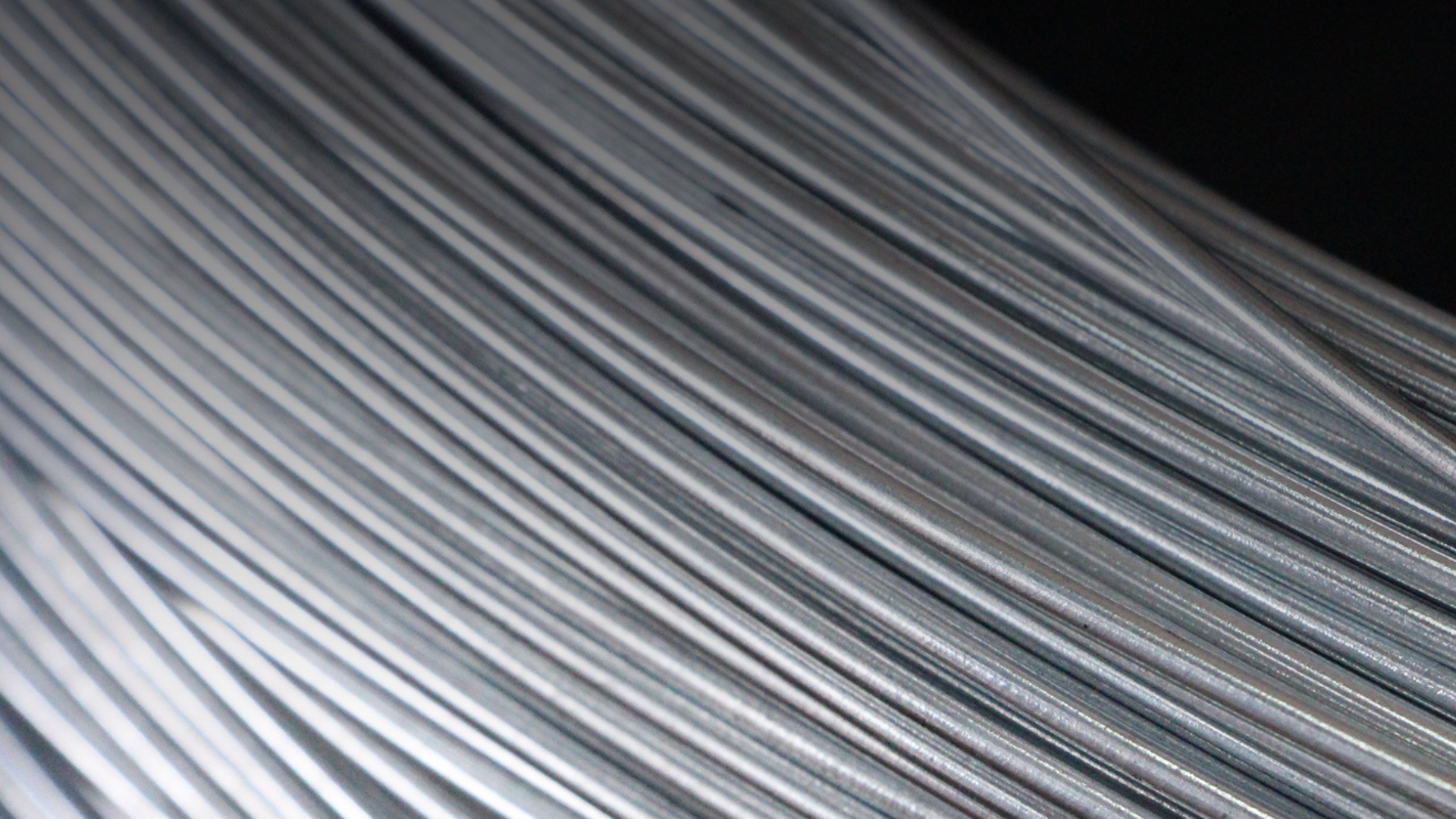
Introduce in detail the principle of galvanized iron wire zinc layer thickness test:
The principle of the zinc layer thickness test of galvanized iron wire mainly includes the following aspects:
Magnetic method: This method is based on the difference in magnetic permeability between the zinc layer and the base metal. The magnetic thickness gauge emits a magnetic field, and when it comes into contact with the galvanized iron wire, the zinc layer and the base metal will cause different effects on the magnetic field. By detecting and analyzing these differences, and through calibration and conversion, the thickness of the zinc layer can be obtained. This method is relatively simple and widely used.
Microscopic method: Samples are prepared and sectioned, and then observed under a microscope. The thickness of the zinc layer is measured from the surface of the zinc layer to the interface with the base metal. This requires careful sample preparation and accurate microscopic measurement techniques to ensure the accuracy of the results.
Electrochemical method: Such as the coulomb method. By applying an electric current to cause electrochemical reactions on the zinc layer, and measuring the amount of electricity consumed or the time required for a certain reaction, the thickness of the zinc layer can be calculated based on electrochemical principles. This method is more accurate but requires proper control of experimental conditions.
X-ray fluorescence method: Utilizes the interaction between X-rays and the zinc layer to generate characteristic fluorescence. The intensity and spectrum of the fluorescence can be related to the thickness of the zinc layer. Advanced X-ray fluorescence analyzers are used to measure and analyze these signals to determine the zinc layer thickness.
In summary, these principles provide different ways to accurately measure the thickness of the zinc layer of galvanized iron wire, and the selection of the appropriate method depends on factors such as the required accuracy, sample characteristics, and testing conditions.
Additional Resources
-
How thick is the zinc coating on galvanized steel?
-
Preece test (copper-sulphate dip) for zinc coatings
-
Verification of the correctness -detection of the zinc layer
-
Professor Zinc | Galvan Industries | Serving the Southeast
More information


Contact
Phone/WhatsApp:
E-mail:
Address:
Huangtai Industrial Park, Xiaozhan Town,
Jinnan District, Tianjin, 300353, China
Follow us

Inquiry