


How to choose the right galvanizing wire for a specific application?
Release time:
2024-05-31
Here are some factors to consider when choosing the right galvanizing wire for a specific application:
Here are some factors to consider when choosing the right galvanizing wire for a specific application:
- Corrosion resistance requirements: Assess the level of corrosion exposure the wire will face in the application. If in a highly corrosive environment, hot-dip galvanizing wire with its thicker coating might be more suitable; for milder conditions, electro galvanizing wire could suffice.
- Mechanical strength needs: Consider the tensile strength and other mechanical properties required. Ensure the chosen wire meets these demands.
- Coating thickness requirements: Some applications might require a specific minimum or maximum coating thickness. Decide based on this.
- Size and shape of the wire: Ensure the galvanizing process is compatible with the wire's dimensions and configuration.
- Aesthetic considerations: If the appearance matters, such as for visible components, the surface finish of the galvanizing wire (rougher for hot-dip vs. smoother for electro) becomes relevant.
- Budget constraints: Hot-dip galvanizing may cost more initially, but its durability might offset the cost in the long run; electro galvanizing could be a more cost-effective option in some cases.
- Application specific standards: Check if there are any industry or application-specific standards that dictate the type of galvanizing wire to use.
- Environmental conditions: Temperature, humidity, and other environmental factors can influence the choice.
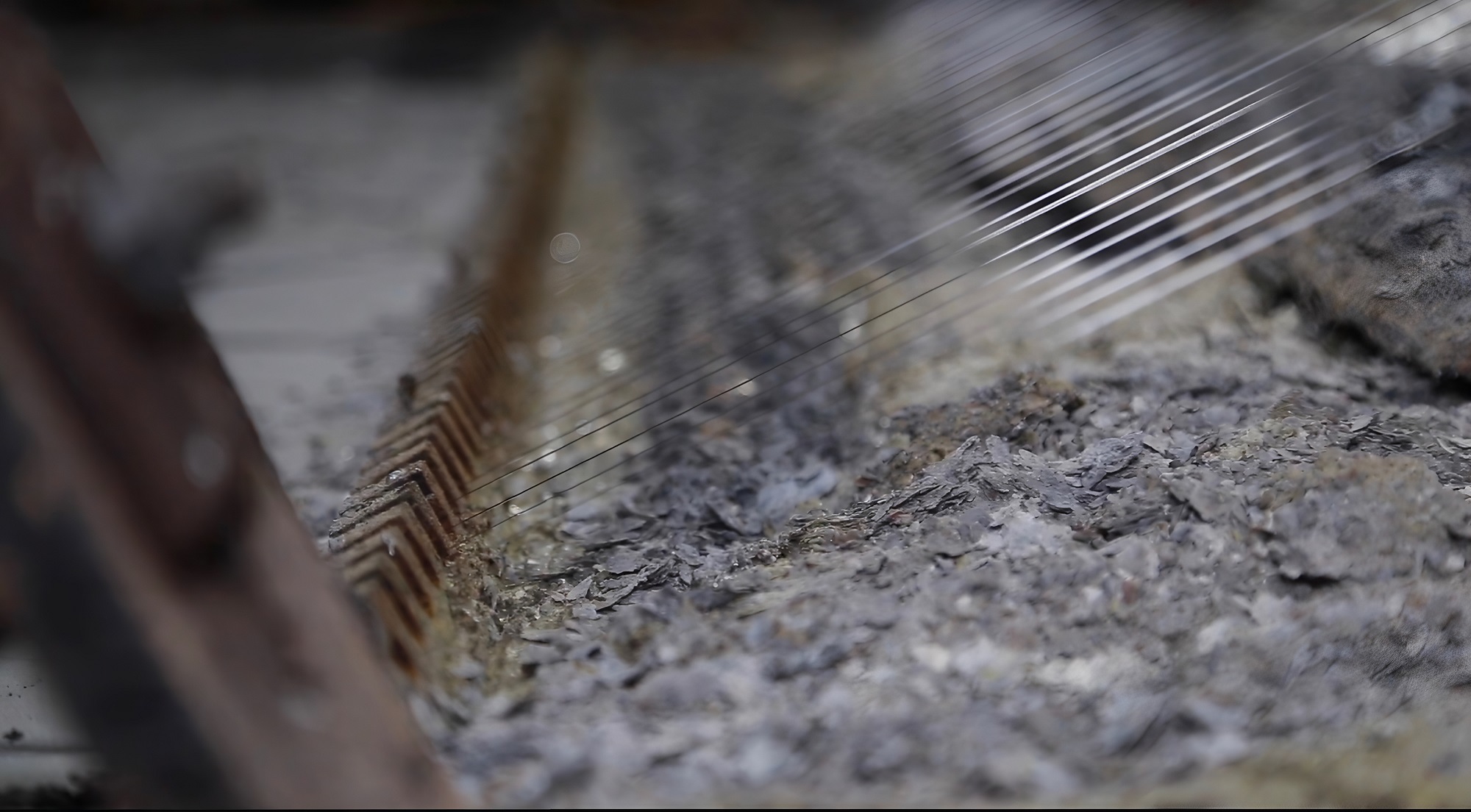
So are there any specific applications where hot-dip galvanizing wire is preferred over electro galvanizing wire?
Yes, there are several specific applications where hot-dip galvanizing wire is often preferred:
- Heavy-duty construction and infrastructure: For large-scale structures like bridges, where the thicker and more durable coating is crucial for long-term corrosion resistance.
- Marine environments: Where the wire will be exposed to saltwater and harsh conditions, and the superior protection of hot-dip galvanizing is beneficial.
- Industrial equipment and machinery: Components that endure high stress and abrasive conditions may be better served with hot-dip galvanized wire.
- Utility poles and power lines: Due to the need for reliable and long-lasting protection against the elements.
- Outdoor fencing and barriers: Especially in areas with high weathering and potential for corrosion.
- Automotive and heavy vehicle components: Where durability and resistance to road conditions are important.
- Oil and gas industry applications: Where harsh environments and corrosion risks are significant.
Addtional Resources
-
Electro-Galvanized vs. Hot Dip Galvanized Wire - hd wire
-
What is galvanized wire? and its applications
-
Exploring Different Types of Galvanized Wire
-
Hot Dip Galvanizing vs Electroplating. Which is Better?
More information

Contact
Phone/WhatsApp:
E-mail:
Address:
Huangtai Industrial Park, Xiaozhan Town,
Jinnan District, Tianjin, 300353, China
Follow us

Inquiry